The Walking Dead: Road To Survival (Scopely, 2015)

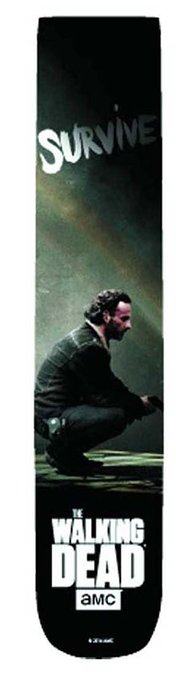
Robert Kirkman has just taken to the official The Walking Dead Twitter account to reveal a new free-to-play game available from the Apple Store and Google Play Store. Titled Road To Survival, it is a global strategy game that focuses on The Governor period of the story timeline. The visuals are a sort of full-colour beefed-up interpretation of the comic book, but looks of the same universe.

Hear Robert Kirkman talking about it here.

Have you played it yet? Is it any good?

The Walking Dead: The Game – Season One (Telltale Games, 2012)

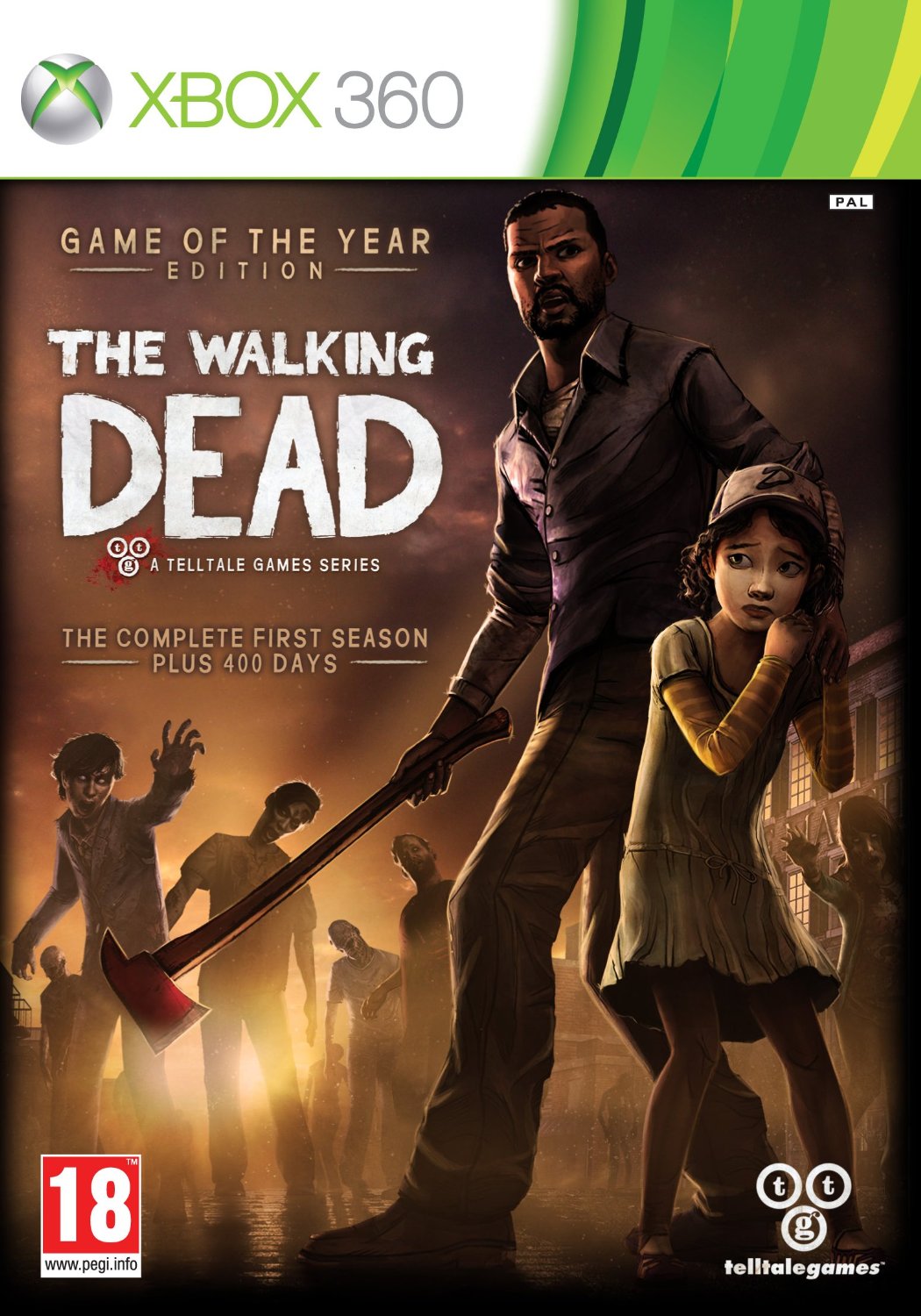
One way to further your total immersion into the Walking Dead universe is to take on the emotionally-tiring episodic video game series from Telltale Games. Be warned: do not attempt if you have a history of heart conditions.

Whilst most modern games push for bigger and better graphics, more epic explosions, larger guns and loud noises, this take on the interactive adventure genre instead induces panic by forcing the player to make incredibly tough decisions in a snapshot of time without much prior warning.

The action takes place in the events immediately after the outbreak of the apocalypse in the same Atlanta locations as the early parts of the comic and TV series. You take control of convicted murderer Lee Everett, a character we are yet to meet in any other canonical Walking Dead media, as he comes to terms with the loss of his family, whilst trying to keep himself and young girl Clementine alive.

The character Clementine is the masterstroke of the game, giving it an emotional edge seldom seen in video games. The decisions made aren’t on the level of which zombie to kill first to keep us alive, but rather how can Lee earn the trust of Clementine to make sure she sides with him and can be kept safe. In this way, whilst there are always choices to be made, there is a tendency to take the moral high-ground and sensible options to ensure the right impression is made at all times.

Decision, decisions.

Decision, decisions.

This is easier said than done. Often the prompt to make a decision flashes on the screen and a button input must be made immediately. There may be four options displayed but there is always the fifth option available too: doing nothing at all often leads to the worst outcome. Mild panic ensues each time the decision prompt appears – a great way to keep players on edge.

There are some nice touches, with several familiar characters appearing to help Lee and Clementine on their early missions. Hershel, his son Shawn and Glenn appear, though these are the only ones seen in the first game.

The game was released as an episodic series in 2012 in five parts, with the 400 Days DLC released soon after. As a result, each episode is left on a slight cliffhanger, a nice touch that makes it necessary to go back for the next part (much like the comic and television series).

Stylistically, it stands on its own away from the designs of the comics and the TV series. Yet, somehow it inhabits both worlds. This is testament to both the design team and the guidance offered by the fully realised world of the source material.

As an immersive experience, The Walking Dead: The Game – Season One is one of the most accomplished video games this genre has ever seen. If you’ve completed it, you can always check out Season Two and the upcoming Michonne DLC, due in December.

The Walking Dead: The Game – Season One is available to purchase as a Game of the Year Edition, featuring all episodes and DLC, now.

Film review – Fed Up (Stephanie Soechtig, 2014)

A lazy and by-the-numbers approach to modern-day documentary making threatened to undermine the message of Fed Up, though the overall result is somewhat satisfying. 

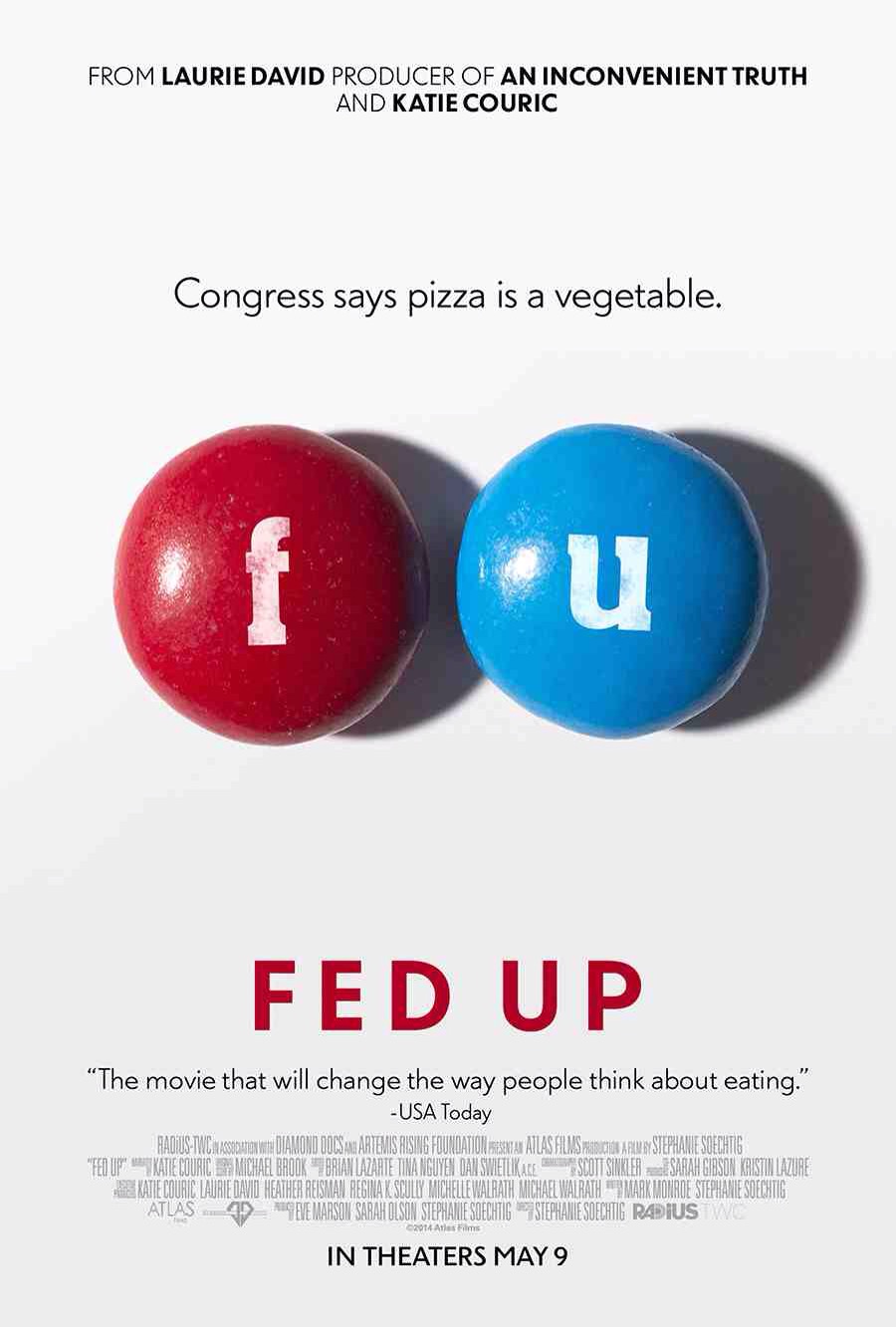
It tells the story of the food industry of North America, focusing on the diets many believe are good for them and the root-causes of the misinformation they base their knowledge on. Several teenagers are used as central figures in the obesity epidemic to add a personal touch to what would otherwise be a rather statistical-based story.

The obesity problems weigh heavy on the scales of America.

As cross-examinations of entire industries go, there have been worse. However, it lays its message down early on and doesn’t really allow any competing points-of-view to be treated with any credibility. The result is that for the undescerning viewer their opinion may be altered quite quickly, though anyone used to this technique (Michael Moore does it very well) it immediately makes anything offered a potential falsety. That’s a shame because the message is one of the most important facing the developed world today.

A missed opportunity.

Fed Up can be watched on Netflix in the UK now.

Video game review – Yoostar 2: In The Movies (Namco Bandai, 2011)

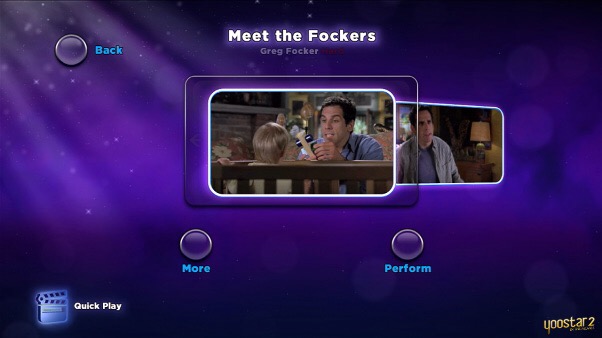
The premise of this game is fantastic. Making use of the Kinect camera controller for the Xbox 360, the disc contains 80 movie scenes from famous films (and Cheech and Chong’s Up In Smoke) for the player to act out, placing their performances over those of the original actor or actress. Sound fun? Well, yes. Kind of.

The thought of acting out scenes from films may appeal to some, but for many even considering standing in front of a room full of people and attempting to deliver an accent-perfect Derek Zoolander just isn’t a good way to spend an evening. It fills them with dread.

Another crowd-pleasing Ben Stiller film scene. Great for crowds of Ben Stiller fans.

For those willing to get involved, enthusiasm doesn’t reward much. The technology causes many issues by just being generally poor: images are low resolution, the background of the playing environment occasionally make their way into the finished scene, the sound is hard to hear when acting and the cue points are really hard to predict.

Both the film choice and the scene selection leaves a lot to be desired. It may be fine if you really like Ben Stiller. Too often there are scenes where your character is looking sideways on. This only works if you know the film off-by-heart or you happen to have a series of strategically-placed mirrors allowing you to read the script as you look away from the screen.

When it goes right it has the ability to cause hilarity. The Terminator is one of the better scenes as Arnie remains relatively still and doesn’t say much. The Casablanca clip works well too, being that it doesn’t require perfect comic timing.

It has the makings of a fantastic party game but unfortunately the flaws mean it never really hits the required heights. Still, it kept my party entertained for about an hour and at the price I paid (£1.33) that is excellent value for money.

Yoostar 2 is available now. Pay no more than £3 for it.

Network (Sidney Lumet, 1976)

“Get up out of your chairs, open the window, stick your head out, and yell, and say it: “I’M AS MAD AS HELL, AND I’M NOT GOING TO TAKE THIS ANYMORE!””

When Sidney Lumet’s scathing attack on the televisual media hit the big screen in 1976, this was one of many quotes from lead character Howard Beale (Peter Finch) that resonated with the public psyche. It was a huge critical success and would eventually prove to be Lumet’s defining moment as a director.

“I’M AS MAD AS HELL, AND I’M NOT GOING TO TAKE THIS ANYMORE!”

The film opens spectacularly. We’re introduced to television news presenter Beale and the news that he has been sacked from his role at UBS due to his declining ratings. He has been given two weeks’ notice by his long-time friend Max Schumacher (William Holden in fine form) but his reaction is to go onto his next live broadcast and announce “I’m going to blow my brains out right on this program a week from today. So tune in next Tuesday.” This causes mixed reactions amongst those at the studio. The conservative Frank Brackett (Robert Duvall) leads a campaign to get rid of him immediately, whilst Diana Christensen (Faye Dunaway) sees it as a potential ratings spinner, eventually facilitating him receiving his own evening slot in which he rants about the media, advertising, indoctrination and the state of American society. It proves an instant hit and the internal politics of the situation spiral.

The entire cast are on fine form, not just those in lead roles. One stunning sequence involves Beatrice Straight’s Louise Schumacher, wife of Holden’s Max, occupies the screen for only five minutes and two seconds but this was long enough for her to win the Academy Award for best actress. It is far shorter than any other performance that has ever won an Academy Award. It’s hard to say in isolation whether it is wholly deserving of such accolades, though it is possible that the Academy couldn’t bring themselves to award the prize to Jodie Foster, the then 13-year-old who was nominated for her controversial role as Iris “Easy” Steensma in Taxi Driver. You can watch the clip in a sub-standard quality below, if that’s your thing.

The topics covered in Network resonate louder today than they ever have. The anger felt by Beale at the state of the network he works for isn’t necessarily centred around the network itself but rather the people who consume it without question. Ironically, the people who begin to love his show begin to accept it and consume it, thus keeping them watching the television rather than switching it off altogether and avoid potential further indoctrination. We now live in a society four decades later where the way information is fed to consumers is controlled more tightly than imagined in Network, be it on television, in newspapers or online. The latter of these is crucial – one of the biggest opportunities civilisation has had to take over the way information is consumed and what that information is has been hijacked by corporations and advertising. That Lumet so closely predicted this future makes this essential but somewhat eerie viewing.

Network is available on Arrow Video Blu-ray now.

Family Plot (Alfred Hitchcock, 1976)

Family Plot is the final film directed by Alfred Hitchcock, released four years before his death. Based on the book The Rainbird Pattern by Victor Canning, it is a shadow of his most celebrated works owing to a slow pace and a lack of chemistry between the lead characters.

The story concerns two couples. Fake psychic medium Blanche (Barbara Harris) and taxi-driver George (Bruce Dern) are petty criminals who find an opportunity to locate the son of an heiress called Edward Shoebridge and collect a £10,000 reward. In searching for this heir their lives become unexpectedly intertwined with professional criminals Fran (Karen Black) and jeweler Arthur (William Devane), who kidnap famous millionaires and return them in exchange for jewel-based ransoms.

Dern, Dern, Deeeeeeeern!

Dern, Dern, Deeeeeeeern!

Bruce Dern wasn’t the first choice for the lead role. Hitchcock’s preferred actor was Al Pacino, but his price was too high. Hitchcock went with Dern following his experience with him in Marnie and also in Alfred Hitchcock Presents episodes Night Caller and Lonely Place. Of the four central characters, he is perhaps the most entertaining to watch. It’s a highly believable turn as a man controlled by his girlfriend and partner in crime and his comic abilities are put to great use. It’s hard to see Pacino improving on this, as talented as he is.

Roy Thinnes was originally cast as the Arthur / Edward character and five days of shooting were completed before the first choice William Devane became available and Thinnes was dismissed. Devane’s turn is one that doesn’t really deliver. The character calls for malice and terror, which never really comes to fruition; this in turn makes Black’s performance as his partner fall short as the coldness she tries hard to rescue never really comes to the forefront of their scenes.

Barbara Harris was in the middle of a career purple patch when this was released. Family Plot came sandwiched between two other career successes: Nashville and Freaky Friday. All three earned her Golden Globe nominations, though it is hard to see why her turn as Blanche was so celebrated at the time. True, there are moments of real hilarity in there, and she is clearly having fun with Dern with the relentless innuendos Hitchcock has littered throughout the script, but often she comes across as irritating and it feels like she is over-cooking her lines. The low point in the film is a scene where the pair lose control of the car they are travelling in when the brakes are cut. It goes on far too long and her reaction to the situation is at odds with her portrayal in the rest of the film. It came as no surprise to find out that Hitchcock was unable to be involved with these scenes due to his deteriorating health and this and other such scenes were filmed by a second unit headed up by Wayne A. Farlow and Howard G. Kazanjian. They do, unfortunately, lack the usual Hitchcock touch.

Many of Hitchcock’s films feel like they inhabit the same universe, but the same can’t be said of this film. It is a genuine disappointment. Coupled with a lazy transfer by Universal – one of the worst I’ve ever seen on the Blu-Ray format – this is overall a real disappointment. Steer clear unless you’re really desperate.

Family Plot is available as part of the Alfred Hitchcock: The Masterpiece Collection Blu-Ray boxset, or as an individual release.

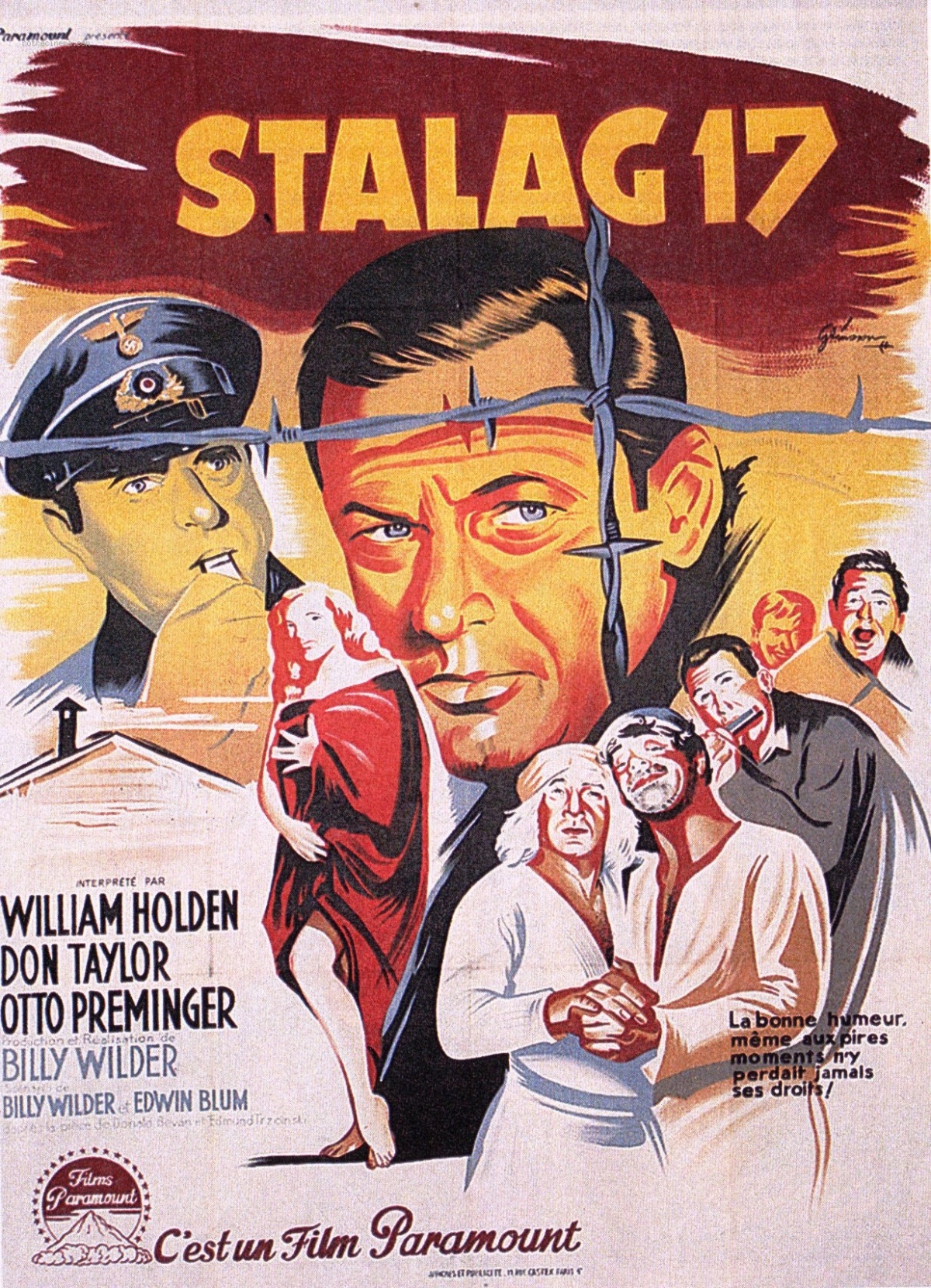
Stalag 17 (Billy Wilder, 1953)

Billy Wilder made a habit of directing films that are arguably the quintessential examples of their genre. In 1944’s Double Indemnity he defined the film noir genre. Then in 1950 Sunset Boulevard hit the big screen, perhaps the best film to ever tackle Hollywood itself. With Stalag 17, a film released in 1953, he directed what many people consider to be the greatest Prisoner of War (POW) film ever released. Of course, fans of The Bridge on the River Kwai and The Great Escape may argue the toss, but Stalag 17 is up there with the best of them.

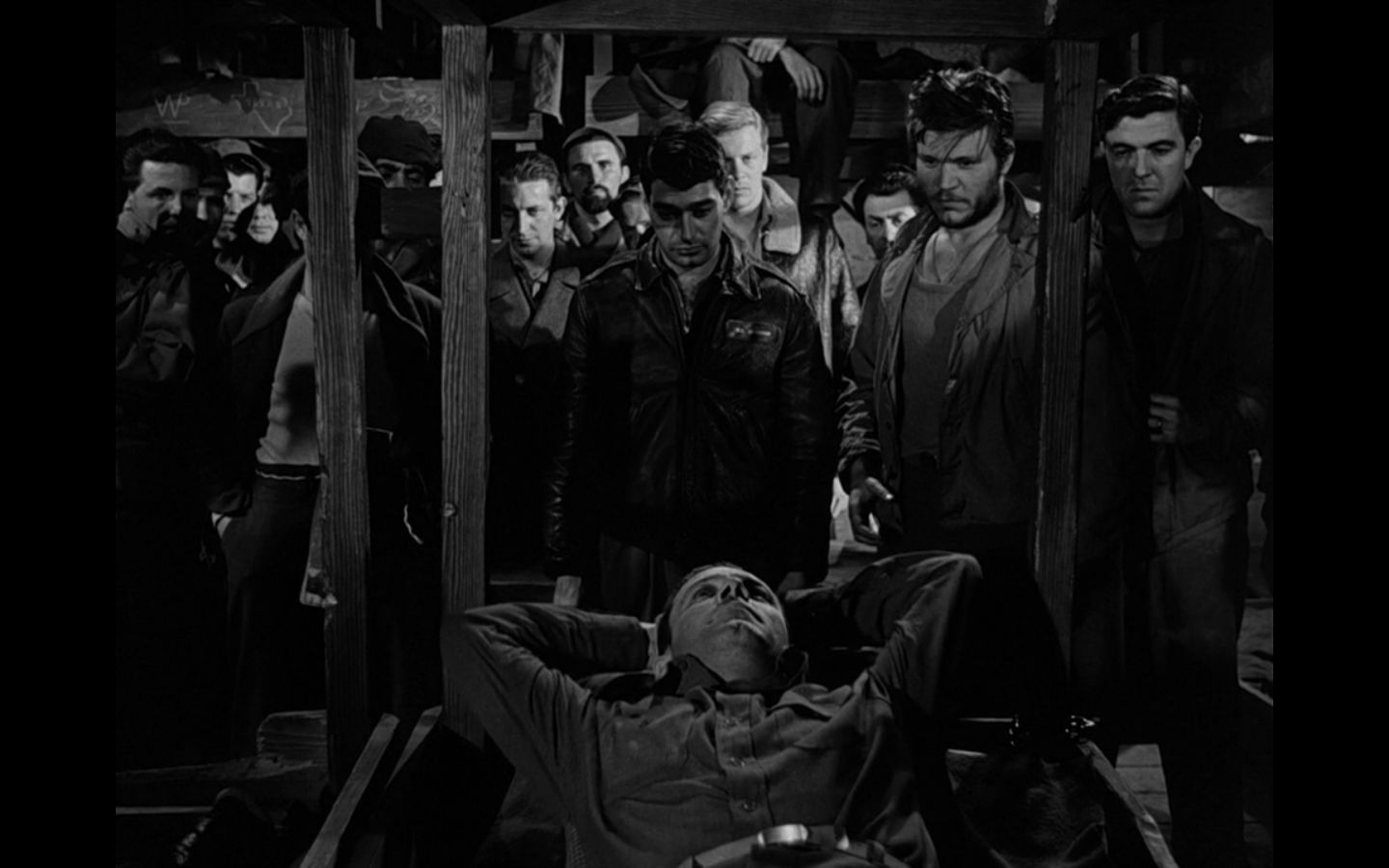
One of the most memorable scenes of the film, expertly framed.

One of the most memorable scenes of the film, expertly framed.

Set in 1944, the film focuses on the titular Luftwaffe POW camp where 640 American captured sergeants reside alongside Polish, Czech and Russian captives. It is narrated by Clarence “Cookie” Cook (Gil Stratton), reminiscing on his time in the camp. The opening sequence shows two men trying to escape from the camp, whilst the remaining men in their block argue with Sefton (William Holden) about their potential success at escaping as he takes their bets. As the only person sure of their failure, Sefton wins a large supply of cigarettes from his comrades. As the men come around to the thought that their failure may have been caused by a tip off to one of the Nazi officers, suspicion falls on the ever-cynical Sefton, who appears to be profiting nicely from various trades and deals far more than anyone else held captive. Unwilling to protest his innocence, Sefton resolves to find the real informer and expose him before another there are any more casualties.

What strikes most prominently about this film is its inclination towards comedy. It is certainly rooted in the seriousness of being held as a POW in Nazi Germany, but the comradeship and light-heartedness with which the Americans deal with their situation sets it apart from other films in this genre. It doesn’t just stop at the relationship between those of the same nationality. Indeed, it takes on quite a comical depiction of the relationship between the guards and the captives, illustrating a softer side to the Nazi officers that is seldom depicted elsewhere.

As the film progresses, however, the comical aspects fade somewhat to allow the seriousness of the situation to take centre stage. This contrast is less harsh than, say, Life is Beautiful (Roberto Benigni, 1997), but it works perfectly. The light-heartedness encourages the viewer to warm to all the characters quicker than would have otherwise been possible and by the time the final act plays out the tension is at its peak.

William Holden rightly won an Oscar for his performance as Sefton, spoiling the party that year for the likes of Marlon Brando (Julius Caeser) and Richard Burton (The Robe). The popularity of the film can be put down to two factors at the time. Firstly, the film was withheld from release until 1953 because Paramount Pictures didn’t believe anyone would be interested in a POW film; only when the release of prisoners following the end of the Korean War did it have a widespread political context (both the US release and the end of the Korean War occurred in July 1953). Secondly, the backdrop of the film industry itself was focused on the Hollywood Blacklist, a list of those industry professionals considered to be supportive of communism. This was at its height in 1953, but no studios would dare release a film to directly tackle these issues. The storyline of a lone man being singled-out by his peers based on false circumstantial evidence will no doubt have gained extra resonance against this ongoing issue.

Stalag 17 deserves to be seen, for its excellent performances, magnificent direction and historical relevance. With it being a Masters of Cinema release, there has never been a better time to check it out.

Stalag 17 is available to purchase now from Masters of Cinema on Blu-Ray.

スーパーマリオブラザーズ 2 / Super Mario Bros.: The Lost Levels (Nintendo, 1986)

Following the success of Super Mario Bros. on the Family Computer in Japan in 1985, Nintendo decided to capitalise and release a sequel using the same game design and graphics. This one, titled Super Mario Bros. 2, didn’t initially see the light of day in Europe or USA, owing to the fact that it was deemed too difficult for gamers outside of the Asian market.

Instead, the Western markets got their own separate game, which might have had the same name but was actually a sprite update of Japanese game Yume Kōjō: Doki Doki Panic. In 1986, nobody in the West cared because hardly anyone knew what had happened. We got a fantastic game in which you could choose to play as Mario, Luigi, Toad or Princess Toadstool. It introduced many gameplay elements and character traits that stuck with series forever more, as well as a host of enemies. It was simply the next in the series and a welcome one at that.

It wasn’t until the the Japanese game was released as part of Super Mario All-Stars on the Super Nintendo in 1993 that the wider Western public became aware of it. What they found when they began to play it was a game full of pitfalls and frustrating game design with the sole purpose of over-challenging anyone who dared continue to see if it got any easier.

The version most readily available nowadays – and the version play-tested here – is available on both the Wii and Wii U virtual consoles. It doesn’t cost the world (500 points) so may well tempt those unaware of its background.

Playing the game now it’s clear why it wasn’t unleashed on the Western gamers of 1986. It may well have killed the franchise. The difficulty picks up at around the same difficulty or World 7 or 8 of the predecessor, meaning that by World 3 the whole game is entirely infuriating.

All the things that might have helped you in the first in the series are either toned down or flipped to trick you. In addition to the 1-UP and power-up mushrooms, there are now poison mushroom that cause you damage. In addition to the Warp Pipes that you’d expect to help you every time, there are additional pipes that take you backwards to earlier worlds, meaning that unless you do your research (remember how difficult that would have been in 1986?) you could end up going backwards. The number of coins available is greatly reduced as well.

The fun-dampening doesn’t end there. Many of the jumps are near-impossible leaps of faith that often don’t leave much confidence prior to trying them out. Doing so is a trial and error situation that can quickly cause you to game over. Trying to speed through a level? Good luck – the game designers have placed a smattering of hidden mystery boxes that usually cause instant death by knocking you off balance. The platform lengths are unforgiving too, meaning both run ups and landing spaces require pin-point precision or else Mario will fall into another pit.

There are also several levels that require a particular pathway to reach the end goal; running from left to right will just cause an infinite loop and the final goal will never be reached. The only solution is to either hope you get it right by chance or give in and search for a solution on YouTube (always a disappointment).

This is the first Mario game to introduce the concept of hidden worlds post-completion. If you manage to complete the game without using a Warp Pipe then you’ll be rewarded with World 9, which is a fantasy world that utilises a psychadelic colour scheme and some bizarre game mechanics. It’s entirely straightforward and requires no concentration whatsoever despite the fact they remove all your hard-earned lives before the start. In additional to World 9 are Worlds A-D, which were also available to anyone willing to persevere. However, anyone that wishes to see how they play (apparently they’re even trickier than the main game) will need to complete the game eight times in the same save file.

Are you FUCKING kidding me!?

Are you FUCKING kidding me!?

The one saving grace is that on the Virtual Console versions there is the opportunity to save at any point throughout the game. This will no doubt be implemented by most quite a lot towards the end of the game, as an absolute necessity. When tackling a single jump takes ten or more attempts, the thought of trying to do this without a save option will fill anyone with dread.


This is what many hours of misery will reward you with

 
This game will suit die-hard fans and people with sadistic tendencies. It is a form of self-punishment and is seldom enjoyable. Completing the game won’t fill you with joy, but it might give you more confidence to tackle the hardest levels on Mario Maker when it arrives later this year.

Super Mario Bros.: The Lost Levels is available now on the Wii U virtual console.

Shohei Imamura Masterpiece Collection – Preview

This week Masters of Cinema announced the release of a new boxset titled Shohei Imamura Masterpiece Collection. So what does it contain and is it worth a purchase?

The box contains eight films, all of which have already been released before. The contents are as follows:

盗まれた欲情 / Stolen Desire (1958)
西銀座駅前 / Nishi Ginza Station (1958)
豚と軍艦 / Pigs and Battleships (1961)
にっぽん昆虫記 / The Insect Woman (1963)
人間蒸発 / A Man Vanishes (1967) – DVD only
神々の深き欲望 / Profound Desires of the Gods (1968)
復讐するは我にあり / Vengeance is Mine (1979)
楢山節考 / The Ballad of Narayama (1983)

In the Blu-ray era of Masters of Cinema, only three other boxsets have been released. The first was the three-film Martin Scorsese Presents World Cinema Foundation Volume One boxset, the second was the excellent Late Mizoguchi boxset and the final was the Shoah five-film boxset. All are worthwhile boxes to buy full of new films that hadn’t seen the light of day prior to their release (apart from the Mizoguchi release, which only had four  newly-transferred-to-HD films out of eight).

For those with any or all of the contents of this newly announced box, it no doubt represent a disappointing announcement. I was aware there was a gap in the numbering of the Masters of Cinema Blu-Ray releases, between 120 Medium cool and 129 Dragon Inn, so I was hoping that an eight-film director-centric boxset would be announced. Having just got back into Imamura I was underwhelmed when I realised the boxset would contain eight films, seven of which I already own on Blu-Ray.

That said, the films include one Palme d’Or winner, two Blue Ribbon Best Film winners, Imamura’s debut film and some excellent insights into the career of a film director considered to be one of the greatest ever to come out of Japan. Not every film is amongst his best – notably Nishi Ginza Station is fairly poor – but if you have a copy of both The Eel and Black Rain (not Masters of Cinema) then you’ll have pretty much all of his most important works. It spans his entire career and represents the only way in the UK to get any of his films on Blu-Ray.

Importantly, it is rumoured that this will be the last chance to buy these films as part of the Masters of Cinema releases as they have let the rights lapse on them. If this is true, and you don’t have these films yet, then this is a must-buy.

The Shohei Imamura Masterpiece Collection boxset is available for pre-order now.

Masters of Cinema Cast – Episode 42: The Lost Weekend (Billy Wilder, 1945)

I had the pleasure this week of recording an episode of the hugely popular and entertaining podcast Masters of Cinema Cast with Joakim Thiesen. We talked at great length about the 1945 Billy Wilder film The Lost Weekend.

Here’s the link.

Give it a listen! Hope you enjoy it!