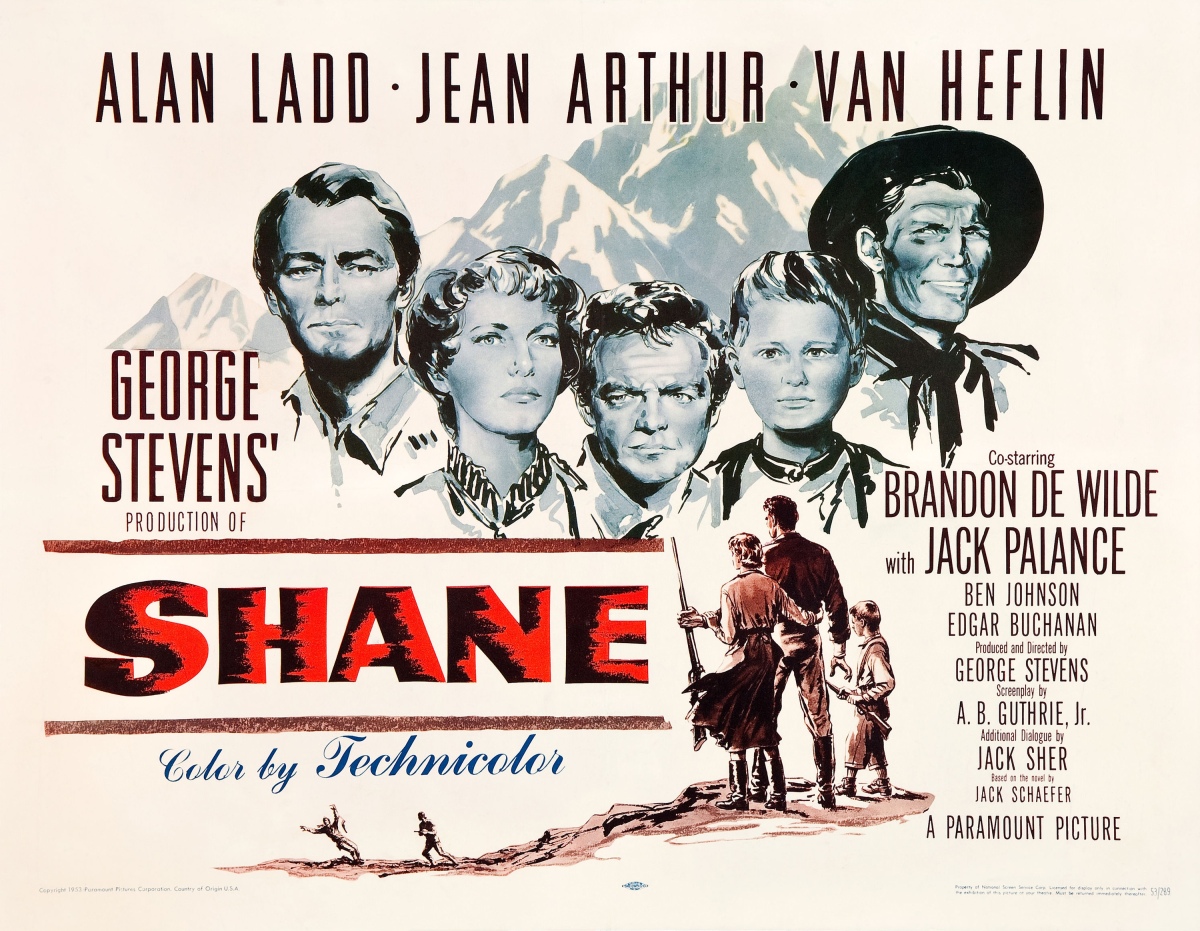
Film review – Shane (George Stevens, 1953)

I’ve never been a huge fan of Westerns. It’s a slight bugbear of mine and I hate to be so sweepingly dismissive of an entire genre, but until recently they’ve always seemed so formulaic and lacking in unique characters.

That’s not to say I don’t have many fond memories of Westerns. My grandfather was a huge fan of any films with cowboys in. Growing up, I lived away from most of my family and so getting to my grandparents’ house was a long journey that would usually have us arriving in the early afternoon, by which point my grandfather would often be settling in to watch a good Western. At the time, the subtleties of the character development or the most intense of standoffs was undoubtedly lost on my pre-teen self.

With the trusted Master of Cinema label now lovingly releasing a select few Western films (with the typical smorgasbord of bonus material to help put the films into context), I’m giving the genre a second chance, if nothing else to prove my smarmy little 10-year-old self that he was wrong all along.

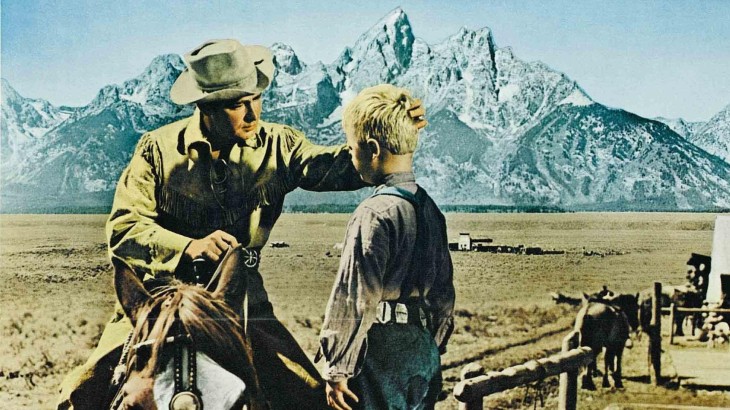
shanescreen

Shane tells the story of the titular hero, played by Alan Ladd. As the opening credits play out, he rides into a small isolated town in Wyoming to meet the Starrett family. He has a mysterious past but quickly wins their favour before the father Joe (Van Heflin) invites him to stay on their property to help out on the ranch.

Over dinner, he learns that the entire town is being terrorised by Rufus Ryker (Emile Meyer) and his gang, who are driving out families one-by-one to gain total control over the land in the area in order to better herd their cattle.

Thus, the story plays out with Shane and Joe forming a stern partnership to rally against the gang and save the town for those families already settled. As the conflict escalates, Shane emerges as the classic lone gunman hero in which the whole town’s hopes lie.

Whilst the story itself is quite familiar, befitting of any good cowboy or samurai film, director George Stevens gets away with the over-idolisation of Shane as the all-American hero by the inclusion of the young Joey Starrett (Brandon deWilde). It is through his eyes that we see everything happen. This has one of two effects. Firstly, it allows Shane to be as formulaic as he needs to be by virtue of the fact that the story can be considered as a retelling of the tale through Joey’s memory of the fact. If that doesn’t sit well as an interpretation, then at the very least the saintly actions of Shane can be seen as a means to leave a positive impression on the child – which he certainly does.

He is clearly a man wrestling with the wrongs of his past, and spends most of the film trying to hide this from the Starrett family. When he finally reveals his gunslinging credentials in front of the Joey, he decides it’s time to move on, presumably to the next place he stumbles upon that needs rescuing.

Whether he makes it to that next town is open to interpretation. Indeed, in the final shootout, he does take what looks like a fairly serious wound to the torso. He plays this down for his final leaving speech for Joey, but as he rides off I couldn’t help but wonder whether he was going to survive. After all, he’s spent the best part of two hours putting a brave face on for every other aspect of his life – he certainly wouldn’t let on to Joey that he was about to die.

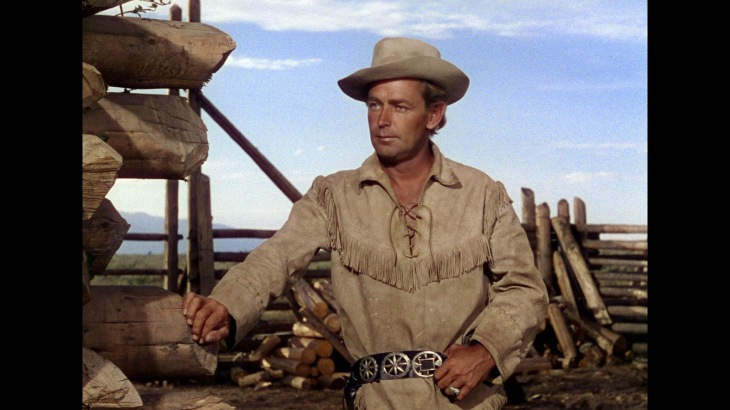
shanescreen2

The romantic subplot between Shane and Joe’s wife Marian (Jean Arthur) adds an interesting subtext to the situation. Clearly she is pining for him, and her interest is underlined in every scene they share. It feels a little shallow, and does nothing for Marian as a character as she follows every stereotype in cinematic history. Alas, it was typical of the time and her only purpose is to add some sex appeal to Alan Ladd’s handsome hero.

Shane may be a typical Western, but it is a fine and pure example of the genre that is rightly being held up as one of the best of its kind.

[Note 1] The second screenshot in this review is how the film should look on your widescreen television, with black bars down the left and right sides of the picture. This is due to the aspect ratio used (1.37:1). There is a second aspect ratio available on the disc, though as Adam Naymar explains in the booklet note “Don’t Fence Me In” this is a controversial version of the film. I’ll let you read it for yourselves should you make the purchase.

[Note 2] Below is the theatrical trailer for Shane. It is proof that cinema goers in 1953 cared not for spoilers, as the critical climax of the final scene of the film is included. Quite why this was done is a mystery to me as it completely ruins the entire film, but since the film is now 63 years old I don’t feel it is fair to be angry towards me for including it in this article. After all, I’ve given you fair warning…

Film review – The Program (Stephen Frears, 2015)

In the midst of the Lance Armstrong doping scandal, Sunday Times journalist David Walsh published his book Seven Deadly Sins. The sole purpose of the book was to blow the cover on Lance Armstrong and reveal the truth about the complex doping program he was involved with during his supremacy in cycling, specifically the Tour de France. Whilst Armstrong was banned for life from cycling in October 2012, two months prior to the release of the book, vindicating David Walsh and the contents of his book.

The Program re-tells this story, with Chris O’Dowd as David Walsh and Ben Foster as Lance Armstrong.

There are narrow margins in its portrayal of Armstrong. Frears gives a fair portrayal of the man, allowing room within the character to justify his actions. It doesn’t shy away from the fact he spearheaded this complex program of systematic doping, on a level so widespread that USADA (U.S. Anti-doping Agency) referred to it as “the most sophisticated, professionalized and successful doping program that sport has ever seen“. However, to fully represent him, it must also be shown that he used a significant amount of his own time alongside the money earned to aide cancer research. The Program just about lands perfectly in the middle without feeling like it is sitting on the fence, only tipping into an out-and-out negative portrayal when he loses sight of his goal to beat cancer and instead gets addicted to winning at all costs.

When a massive scandal such as this is at the forefront of the public eye, it is easy to forget how successful and inspiring Lance Armstong was for both cyclists and cancer sufferers. It must be remembered that Lance Armstrong started doping, like most cyclists, because he couldn’t win a race without it. In this version of events, he was driven by the fact that doping was already widespread in the sport when he first considered it. It doesn’t strike me that Spears was condoning his actions; he wasn’t the first, nor was he the last. He was simply the most successful.


In hindsight, it was a win-win-win situation for everyone involved. Lance Armstrong won medals and tournaments every season, cancer research programs gained a lot of money and the profile of the sport was raised due to the success story playing out in the public’s eye. The only real losers were the honest cyclists who were unable to compete on the same level.

In time, this film won’t prove to be the definitive biopic on this subject, but with the media pursuit of truth as the approach it offers a unique angle on the situation. One wonders whether its success wasn’t hindered somewhat by the similarly-themed Spotlight, which was busy on the festival circuit at the same time as this. Spotlight may have not been everyone’s favoured choice for the Best Picture Academy Award in January, but it was certainly a more powerful film than The Program.

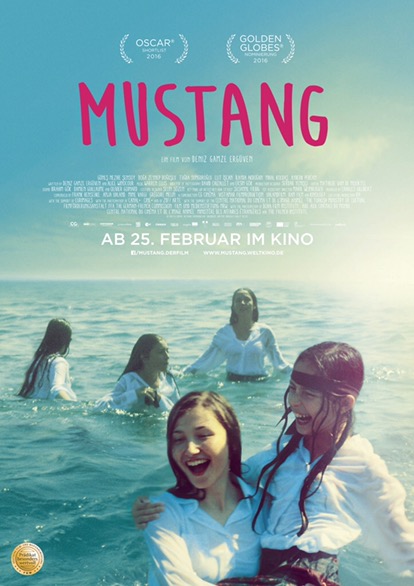
Film review – Mustang (Deniz Gamze Ergüven, 2016)

First-time director Deniz Gamze Ergüven’s Mustang is an astonishing debut. Dealing directly with women’s rights and the oppression of women in Islamic states, it’s bound to court controversy in many areas of the world, not least the country in which it’s set: Turkey.

The story revolves around five sisters. The central character Lale (Güneş Şensoy) is the youngest of the five and serves as the innocent viewpoint through which the story is told, a storytelling method reminiscent of Scout from To Kill A Mockingbird. Her sisters -Nur (Doğa Doğuşlu), Ece (Elit İşcan), Selma (Tuğba Sunguroğlu) and Sonay (İlayda Akdoğan as Sonay – are living with their traditionalist uncle Erol (Ayberk Pekcan) and fearful grandmother (Nihal Koldaş). After an incident at a beach that Erol deems to be too risqué, the five are effectively held on house arrest, taught to be “proper wives” and must wait their turn until a suitor is found.

The premise of the plot is one that brings out dormant anger towards the premise of pre-arranged marriages. The idea of this still happening to so many women in the modern world is an alien concept to those outside the most conservative of countries. Whilst it is known that this happens, Mustang manages to drive home a powerful message by focusing on just one tight family unit, in this case a close-knit group of girls who will likely never see each other again once they have been paired off. Perhaps it’s easier to pretend it doesn’t happen, or perhaps it’s easier to forget on a day-to-day basis as it is so uncommon in the Western world. All this just results in Mustang being a more shocking film.

It is hard to watch the storyline unfold without being reminded of Sophia Coppola’s 1999 indie flick ‘The Virgin Suicides’. Both films deal directly with the psychological effects of a group of five attractive teenage sisters being held under house arrest at the behest of their overbearing parents/guardians. I can’t see a situation where Ergüven hasn’t been influenced on some level by that film, but the repositioning of this basic plot makes it different enough to not dismiss its achievements.

Güneş Şensoy is a revelation in the lead role, playing perfectly the inquisitive innocence that the character demands. At such a young age and this being her debut performance, she is certainly one to watch in the future.

Mustang is a powerful film deserving of he widest of audiences. It’s at times heartbreaking, but there can never be enough attention shone on such a pressing humanitarian matter.

Film review – Zootropolis (Byron Howard and Rich Moore, 2016)

Zootropolis is the latest in the Disney Animated Studios classics range that certainly holds its own alongside its older brothers and sisters, with a well realised universe and some extremely likeable characters. It may not have the staying power of the greatest films of the studio, but serves as a fun way to entertain children for a couple of hours in the earl summer.

The film stars Ginnifer Goodwin as Judy Hopps, a tiny rabbit that has aspirations to go to Zootropolis to become a police officer. Driven on by a childhood incident, she finally reaches her goal via a fairly snappy montage sequence. Dsappointingly assigned parking duty by her new boss Chief Bogo (Idris Elba, providing a voice that doesn’t really match the character), she sets out to prove she is more than a small fish in a big pond. Striking up an unlikely love-hate friendship with sly fox Nick Wilde (Jason Bateman in an impressive role), she uncovers a clue to solving one of the city’s biggest mysteries: the location of a missing otter and a growing number of other missing predator mammals in the city.

Goodwin’s portrayal of Judy Hopps is delightful. Her voice is perfect and brings some distinctive characterisation to life. There’s clearly a lot of chemistry between her and the well-cast Bateman. When they fall out midway through the second act, you feel it, and the target audience will too. She has an unmistakable likability in her voice that’s hard to pin down – perfect for this kind of role.

The film excels in its underlying messages of racism and stereotyping, making it a timely release. Each main character’s driving force is as a result of some kind of prejudice they’ve had to fight against. Make no mistake – there is little effort to hide it, to the point of it feeling a little ham-fisted. Anyone who wants their cinematic experiences compartmentalised by separating pure entertainment from thought-provoking commentary may need to double-check the age rating on this film. 

Where it falls down is its lack of foresight in terms of future generation’s appreciation of it. The greatest animated films have been enjoyed for almost a century by parents and children alike. They always have a timeless quality to them, much like fairy-tales, allowing a Snow White or Cinderella to be picked up now and not feel of-its-time. For Zootropolis, one has to wonder how the children of 2040 will feel about the overused phone apps that are featured, or indeed the Breaking Bad and Frozen references that are thrown in for cheap laughs.

For now, however, Disney will sit back and count this as a huge success. It is now the highest-grossing film of 2016 and the 28th of all time (as of 16th May 2016).

Film review – Zinnia Flower (Tom Shu-Yu Lin, 2015)

I’m going to kick-off before I say anything else and let you know that if you’re looking for a film that will make you feel immediately happy, then Tom Shu-Yu Lin’s latest isn’t for you. If, however, you’re willing to invest the smallest amount of emotional sympathy with the characters then you’ll find yourself on a deeply effective journey as two characters deal with the mourning process of losing their loved-ones.

The film opens with a devastating multi-car crash. Yu Wei (Stone) loses his heavily-pregnant wife and their unborn child but escapes with just a broken arm. Shin Min (Karena Lam) also loses her fiancé in the same incident. They begin their traditional Buddhist mourning period of 100 days. Shin Min goes on the honeymoon to Okinawa she will never be able to have with her fiancé and Yu Wei turns to alcohol and anger to forget his sorrow.


The film is boldly intimate in its portrayal of grief, and its success is secured by two excellent performances from the lead actors, whose lives are intertwined but yet are dealing with almost identical situations in entirely different ways.

It is painful to watch at times, though I was unaware on first viewing that director Lin was drawing on personal experiences as inspiration for the story – he lost his wife in a car accident in 2012. Had I known this I would have viewed it through entirely different eyes.

Indeed, the film itself is representative of Lin’s journey through grief. Just as the two leads take their journey through the internal resolution of their losses, it appears as though Lin has used this to rationalise the pain he went through. I summise that each character represents a different part of his journey, neither of which is portrayed as a correct or incorrect way to deal with the death of a loved one. Simply, how can you possibly say what’s a right or wrong way to cope in such devastating circumstances? Lin intelligently doesn’t make that decision for us either; the film he is made is provocative enough to not need to spoon-feed its viewers on such a complex issue.

There is also a starkness in the portrayal of the juxtaposition between the pair attending their Buddhist mourning ceremonies and their mindset behind closed doors. In my opinion, this was done to underline the façade that those in the throes of grief assume in public, perhaps indicating that this defined method of grief is wholly outdated. I certainly didn’t feel like they were at the end of their grieving process by the end of the film. Perhaps Lin is in the same place?

This is essential viewing for anyone coping with grief and loss. A beautiful but heartbreaking picture that deserves wider coverage.

Film review – The Peanuts Movie (Steve Martino, 2015)

Before I start, I must confess that I’m a closet Peanuts fan. The comic strip wasn’t something I grew up with and outside the odd Snoopy t-shirt or pencil case, I wasn’t particularly affectionate towards the series.

Sometime during my university years, I discovered the brilliance of the comic strips first, then the films and TV specials. I don’t think it was something I was particularly vocal about, but I was secretly picking up compendiums of the originals strips and box sets of the films that I still watch to this day.

There is something wholly endearing about the characters that has somehow stood the test of time. I’m sure studies could be conducted on why it remains so popular despite most definitely being most definitely of the era it was created in.

I wasn’t overly thrilled when I saw the trailer for this franchise reboot, with the brilliant colours and perfectly rendered faces seemingly betraying the source material. However, I was willing to give it a chance and see what direction the estate was happy for it to go in in 2015, some fifteen years after the death of its creator Charles M. Schulz.

Thankfully, for the most part, the film is a success. The use of modern graphics doesn’t really detract from the fact that it genuinely sits well next to any other instalment. Indeed, the storyline could well be a rehash of an older film, with Charlie Brown spending the entire film trying to win the affections of the Little Red-Haired Girl whilst Snoopy lives in his imaginary world as a fighter pilot in World War II. This is a smart move – taking these familiar characters out of their comfort zone and attempting something unusual can be saved for another time.

When efforts are made to openly appeal to the younger demographics, the film does lose its way somewhat. When Meghan Trainor’s ‘Better When I’m Dancing’ kicked in and the kids started dancing away, the sudden urge to turn off came over me. Heck, even Snoopy! The Musical didn’t stoop this low.

Peanuts aficionados will also berate the fact that Charlie Brown talks to the Little Red-Haired Girl. Then they will be positively irate when she responds and we hear her speak for the first time ever. Or was it just me?

There have been better interpretations of Peanuts in moving pictures and there have been worse, but this should place the characters in the minds of at least a few children for the next few years and, in that sense, the film has achieved what it likely set out to. Just don’t watch it expecting it to wow you.

Film review – Victoria (Sebastian Schipper, 2015)

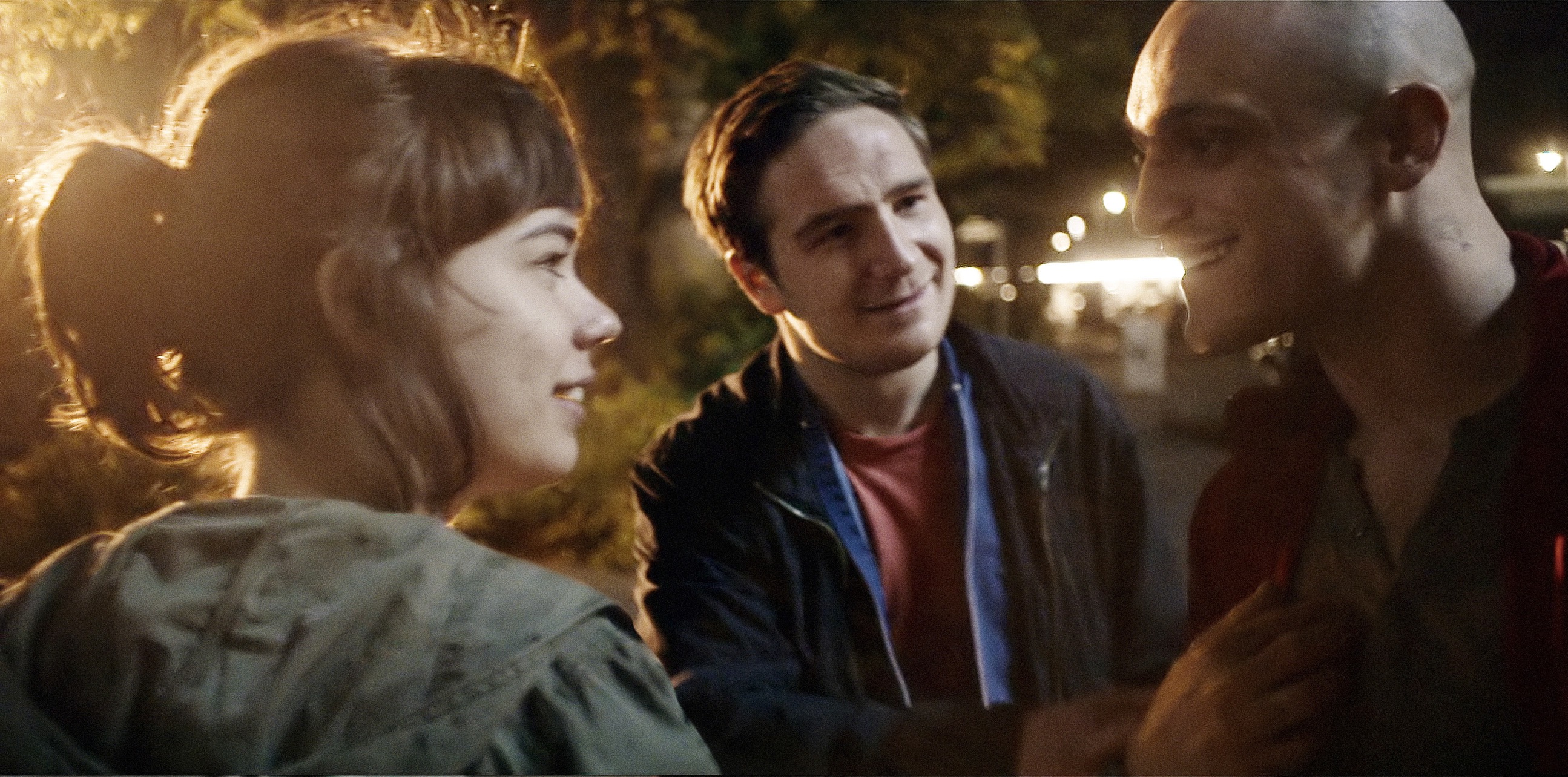
The latest film from director Sebastian Schipper is Victoria, a one-shot bank heist film set in modern day Berlin. When I say one-shot, I mean one-shot: no trickery, no cut-aways, no cheating. That’s 138 minutes of film in one continuous take – a bold move that took three attempts to get right. It’s a glorious achievement and a wonder to behold, even though the film is perhaps flawed as a result of its own triumph.

The story centres around the titular Victoria (Laia Costa), a girl we first join in a nightclub in the Kreuzberg district of Berlin. She’s alone but when she leaves the club she has a conversation with four men: Sonne (Frederick Lau), Boxer (Frank Rogowski), Blinker (Burak Yigit) and Fuss (Max Mauff). Getting embroiled in their night and swept away with the chemistry between herself and Sonne, she suddenly finds herself agreeing to take part in an early-morning bank heist that puts all of their lives at risk.

One of the greatest achievements involved with this film is the way that the single shot doesn’t get in the way of a well-told story. This is achieved by having five central actors that are focused and well-briefed. Any slip up at any point and the whole thing would fall down. Helping this was the fact the script was only twelve pages long, which meant the cast could improvise their scenes. 

What is lost, however, is the ability to maintain the pace by cutting sections that on reflection didn’t work. There are two instances where I felt they had faded out the audio and brought in the musical soundtrack from Nils Frahm solely to cover up a mess-up in dialogue. I may have been trying too hard to spot the errors knowing editing wasn’t a possibility, but with more freedom the film could have been chopped down to about 100 minutes to deliver a fast-paced action film.

So what would that achieve? Well, perhaps the film would be more accessible by being a faster tempo with no down time. Would I have seen it in an edited form? It’s doubtful. I’m a huge fan of the skill of acting, and thousands of actors achieve wondrous things night after night in theatres across the planet. It’s such a shame that directors and editors don’t have the balls to let them act for more than five seconds at a time in most Hollywood films.

Watching Victoria may require a bit of effort from the viewer, but seeing a group of actors achieve greatness with minimal scripting is worth it. Throw in the fact you are watching a director trying something technically astounding – and succeeding – and you have a film most worthy of your consumption.

A must see!

Doing DisneySea Tokyo in one day

My wife and I are huge fans of Disney films and of the theme parks. We’ve visited several of the parks around the world, so when we’d booked a trip to Japan we quickly realised that going to one or both of the theme parks would be a unique experience we’d likely never be able to repeat.

After a bit of online research, we found that Disneyland Tokyo was very much a replication of the Magical Kingdom seen frequently around the world, primarily aimed at children with lots of meet-and-greets, slow-moving story rides and not many faster roller-coasters.

DisneySea on the other hand was aimed at older parties, with a fair amount of thrill-seeker rides, some unique rides and events not in other parks and a few more adult-oriented restaurants.

What’s so special about it?

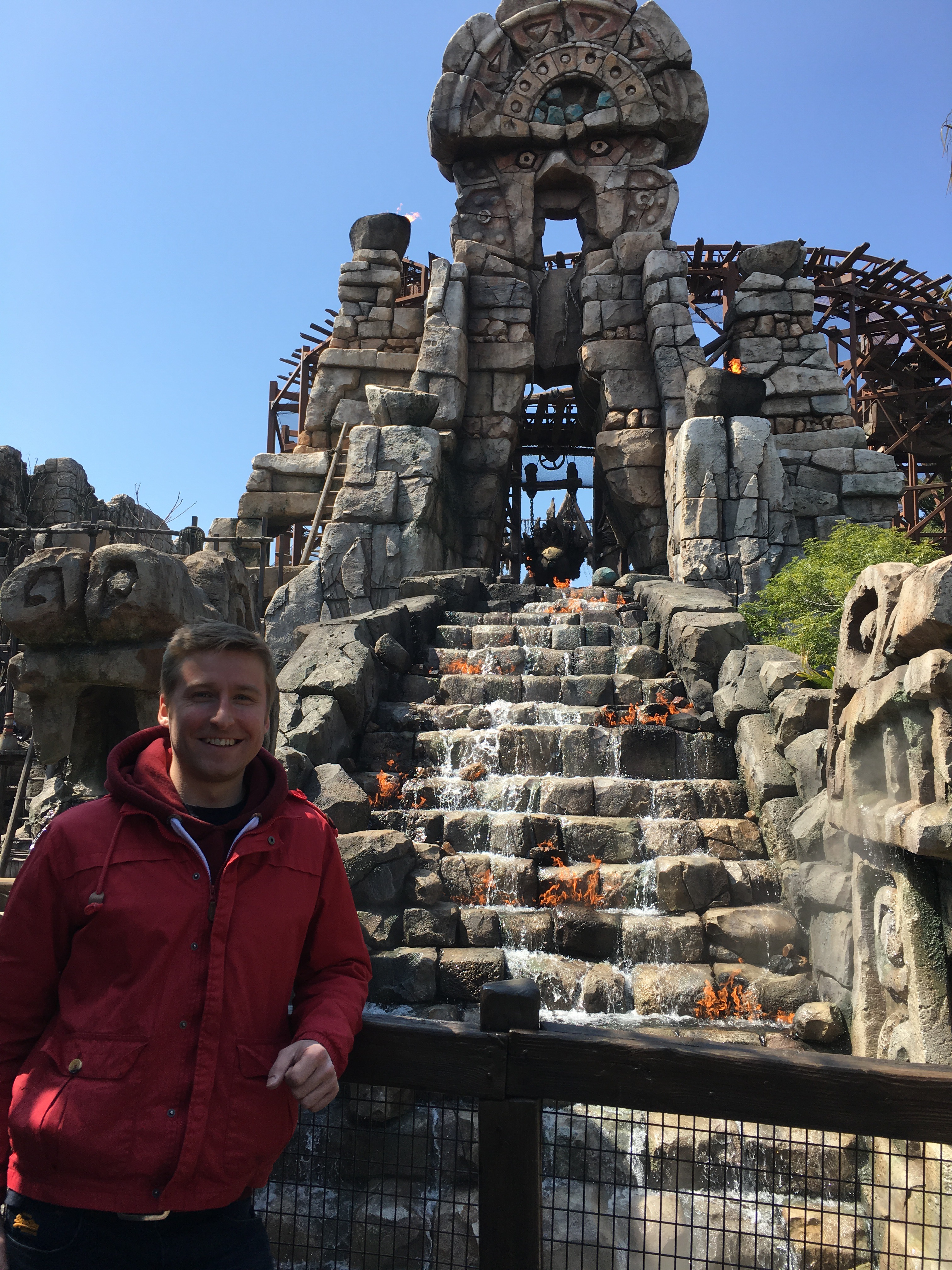
DisneySea features a number of rides and activities that are exclusive to the park. This includes two exceptional fast-moving rides at the top of the park in the Lost River Delta area: Indiana Jones and the Kingdom of the Crystal Skull and Raging Spirits. For us these were the best two rides in the park: the first a fast, jolty, exciting adventure and the second an exceptionally quick roller-coaster.

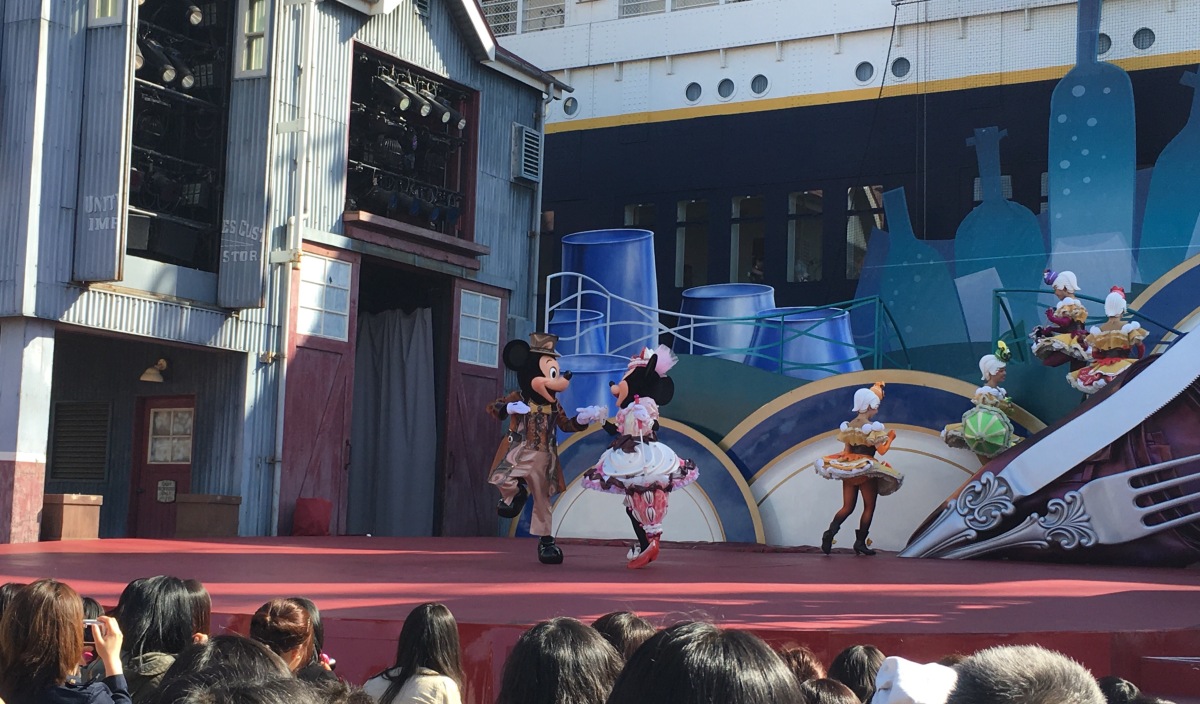
Elsewhere there are two highly popular rides in the centre of the park at Mysterious Island, a handful of great stage shows, a great version of Fantasmic (a video projection, boat performance and fireworks display that features at a number of parks), some familiar favourites and a great choice of restaurants. If you’re in the Tokyo area of Japan and have enjoyed Disney theme parks in the past, this is definitely one you should add to your list.

Can it be done in a day?

All the advice we saw online said it couldn’t be done in one day, that you needed at least two or maybe three days to see everything. After almost but not quite doing everything in one day, we left the park feeling like we hadn’t missed anything we were desperate to do and could have done a ride or two more if we’d really known what we were doing.

Firstly, the layout of the park is a little confusing and everyone else seemed to know where they were going. This meant we were disoriented and, coupled with arriving a little late in the morning, meant we got to our first FastPass at 9:15. You can get a FastPass every two hours, but most of the rides were fully booked by about 13:30, so realistically we only were able to get three FastPass tickets. Actually, in the end we didn’t bother with a third one because we were in a queue and missed out so went for lunch instead.

Secondly, and most importantly, we didn’t realise some of the rides had a single rider feature on them until about midday. If we’d known earlier, we’d have done this much sooner. Without opting for single rider, you can’t realistically do all the big rides.

So how do you do it?

This guide assumes you get your first FastPass at 9am having arrived prior to this time, bought your ticket and spent a few minutes working out where to go.

Step one (09:00): head straight to Mysterious Island and get a FastPass for Journey to the Centre of the Earth. We weren’t overly enamoured by this ride, but it’s so popular you have to do it, especially since it’s a DisneySea-exclusive.

Step two (09:05): Get in the queue for 20,000 Leagues Under The Sea. It’s right next to Journey… and thus makes sense. This should take about 45 minutes. This ride is sinilar to Pirates of the Caribbean in that it’s a slow-moving story-based ride with lots of animatronic characters, with the additional exception that it makes you feel like you’re underwater. Not many thrills here I’m afraid! However, it will be really popular later in the day and you need to do it – don’t just avoid it because we didn’t like it! Again, it’s a DisneySea-exclusive, plus if you understand Japanese you may get more enjoyment out of it.

Step three (09:50): Head up to the top of the park via the “stroooong bridge” and get onto Indiana Jones and the Kingdom of the Crystal Skull using single rider. This was one of two rides you can get on with single rider and doing so will knock about two hours off your queuing time. This is an excellent ride, especially for thrill-seekers, and is another park-exclusive. It’s possibly one of the best rides we’ve ever been on and would be perfect but for Harrison Ford speaking in Japanese.

Step four (10:10): Coming out of Indiana Jones, go left and do exactly the same for Raging Spirits, getting a single rider and jumping straight on to the ride. This will take, in total, about twenty minutes. Another fantastic ride for thrill seekers and well worth doing, especially for the 360 degree loop.

Step five (10:30): By this stage you will have the option to repeat one or both Indiana Jones and Raging Spirits, if you enjoyed them both enough to do so and have the time to. You’ll have time to kill before you get your next FastPass at 11:00, but you NEED to get it at the earliest opportunity. Another option would be to simply take a stroll over to the area for your next FastPass at the Tower of Terror. This is in the American Waterfront area, also home to two great stage shows: A Table Is Waiting on the Dockside Stage (a comedy show that is all visual) and the Big Band Beat at the Broadway Music Theatre (a brilliant and classy tribute to the music theatres of New York City). If you’re lucky you could catch one of them on your way through, or you could just grab a snack or drink somewhere and take in the fantastic scenery and ginormous ship in the New York Harbor – the SS Columbia.

Step six (11:00): Go to get a FastPass for the Tower of Terror. The time will be disappointingly late in the day for you, probably around 7pm, but it’s the only way you’ll enjoy this excellent ride that has a completely different back story to the USA version given it has no tie-in with The Twilight Zone. Don’t worry – they will provide a translation of the back story before you start.

Step Seven (11:10): Now will be about the right time to get in line for Journey to the Centre of the Earth. It’s mainly a dark-ride attraction that tells a story, but does speed up a bit near the end to give you a bit of a thrill.

Step Eight (11:30): If you want to single-rider any of the rides at Lost Island Delta again, now is your chance. It will take another 40 minutes but those two rides are well worth it.

Step Nine (12:10): It’s time to pick up some lunch from a vendor – we recommend the giant turkey legs located in the Mysterious Island – and get in line for the last big ride we’re yet to touch on: StormRider. It’s the only attraction of note in Port Discovery and is set to close in May 2016, so get this in whilst you can. Queuing for this is the only way now that you can get on it, but since there’s nothing else you haven’t done that’s aimed at adults this is the best option. Expect to queue for around 90-120 minutes for it.

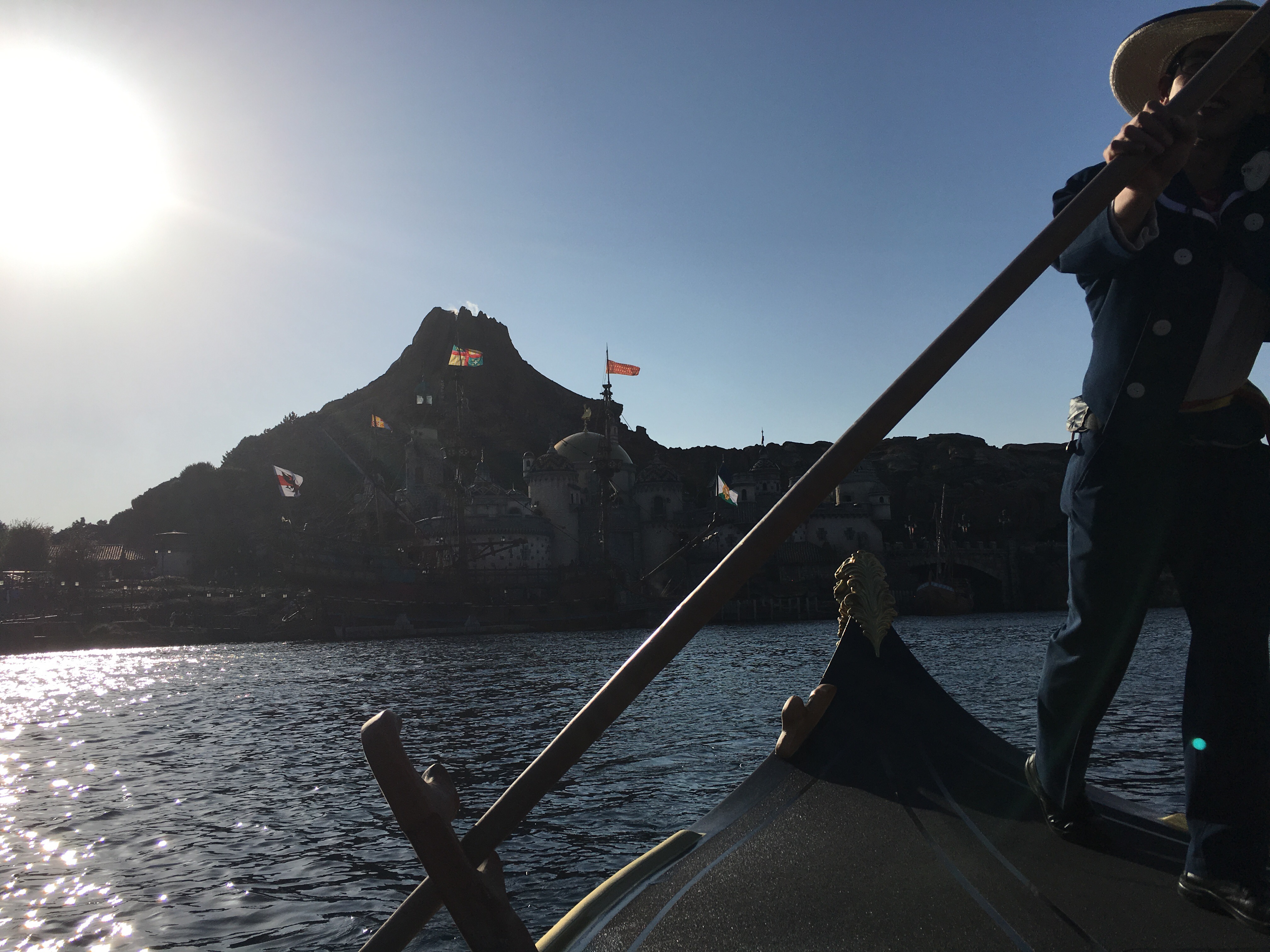
Step Ten (14:30): After such a hectic morning, you now have about five hours to do with as you please before your Fast Pass for The Tower of Terror and Fantasmic. This was the point we chose to get on a gondola and ride around their interpretation of Venice, took a stroll through Mermaid Lagoon (none of the rides appealed) and really absorbed the park.

If any of the other rides take your fancy then now would be the time to go for them. However, there’s plenty to see and you need to take it all in! There’s also chance to do some shopping and pick up some souvenirs.

Step Eleven (17:30): Dinner time brings many options. For parties with fussy eaters not used to Japanese cuisine, a good option is Sailing Day Buffet in the American Waterfront, which offered some Asian options but also steak, steamed veg, loads of salad options, Italian-style pasta and free refill soda. You get to eat for up to two hours.

Step Twelve (19:30): Tower of Terror fast pass will be around now.

Step Thirteen (20:00): Fantasmic. A must-see!

Step fourteen (21:00): Home.

Conclusion

Hopefully this guide will help you get the most out of a single day at DisneySea. Sure, there is plenty to do if you want to spread it over two days, but if you’re short for time then plan ahead and it can be done.

Have a great time and let me know if you found this guide useful!

Star Wars: The Force Awakens – Bonus Features

I received my copy of The Force Awakens in the post earlier today and have busied myself watching a handful of the bonus features.

For fans of the film, or of Star Wars in general, there is plenty on offer to warrant a purchase. All the things imaginable are covered and have details galore far beyond what you’d have heard before.

The deleted scenes are largely disappointing. There’s no Constanble Zuvio and Chewbacca doesn’t rip anyone’s arms out of their sockets. There is a nice little scene with a chase on a snowspeeder, complete with Phantom Menace-level CGI. There’s also a cool clip featuring Kylo Ren searching the Falcon and sensing Han Solo.

Watching them and their limited nature makes me feel like there are some more completed scenes out there that might surface as an Extended Edition at a later date.

The centre point of the disc is by far the one titled ‘Secrets of The Force Awakens: A Cinematic Journey’. It’s a four part, hour-long documentary feature that takes you on the journey from concept to final product. Do yourself a favour and make sure you watch this. Treat it like a proper film.

The first read-through feature is a little disappointing. It’s nice enough but with a title like that you might be forgiven for expecting video footage of the whole script read. It is less than five minutes and is just the cast reminiscing on that special first day.

Elsewhere, there’s a mini feature on BB-8 and another on the creatures from the film, plus ones covering the music and ILM.

Overall a disc worthy of your time if you’re the type of person who wants to learn as much as possible about such a fantastic film.