Did you hear about the Geordie man who tried to draw his favourite Moana character?
It was a Pua effort.
Did you hear about the Geordie man who tried to draw his favourite Moana character?
It was a Pua effort.
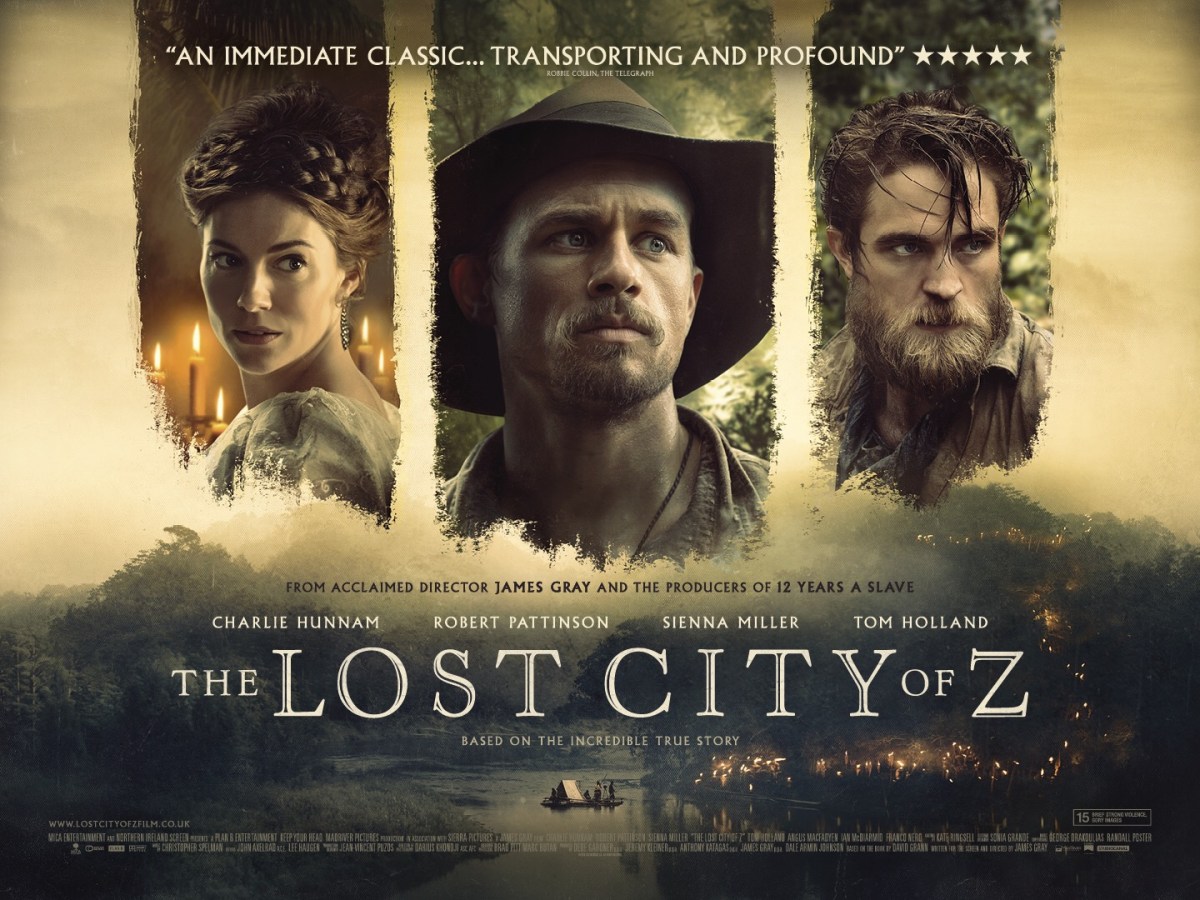
James Gray’s latest film has been described by various parts of the media as an instant classic, with continual praise being steeped upon it from all angles. “Sublime”, “the revelation of the year”, “a rare piece of contemporary classical cinema.” All phrases used to describe “Z”.
The only thing I can relate to less than these words is the film itself, which I found to be a veritable snoozefest.
The true story revolves around British explorer Percy Fawcett (Charlie Hunnam). Pawcett was a member of the British army who, at the request of the British Royal Geographical Society (headed up by Ian McDiarmid), goes on a mapping expedition to the border between Bolivia and Brazil just after the turn of the 20th Century and finds a hitherto unknown tribe. The film tells of his initial and return trips there, along with his relationships with his peers, his expedition team (including an unrecognisable Robert Pattinson), his wife (Sienna Miller) and his children (one of which is eventually portrayed by Tom Holland).

Team Beardward!
I know “Z” feels like an old film, but I don’t think that old film is any good.
Sadly, with so much time to think about the film between the interesting parts, it becomes easy to over-analyse, a subconscious decision my brain made to keep itself entertained. The heart of the issue may well be Hunman himself, or the character he is portraying.
It can’t be his fault – we already know he’s a good actor. So the blame should lie with either the director or the writer. Unfortunately for James Gray, he is both.
Too often we skipped over interesting parts of his life. The Great War is skipped over and we get a snapshot in the form of him leading a troop into battle in the Somme. It’s actually one of the highlights of the film, portrayed without any Hollywood bravado, but we are left to guess about critical developments in his personality, the strain left on his family, and the strengthened relationship with his companions Henry Coston (Pattinson) and Arthur Manley (Edward Ashley).
This companionship is sadly dropped before the third act gets going, which is a shame as it’s the part of the film that really held my interest.
The strange result is that we end up with an over-long story that feels lethargic, which covers a man’s desire to further his family name and his military career, his strained relationship with his wife and children, his growing relationship with his expedition companions and a small amount of professional rivalry with a fellow explorer.
We get both too much and too little, which is a great shame.
There’s enough to keep the interest, but somehow it doesn’t feel right.
What do you call a tough actor who likes to paint?
Vin Easel.
(Contributed by Robert Smalley)
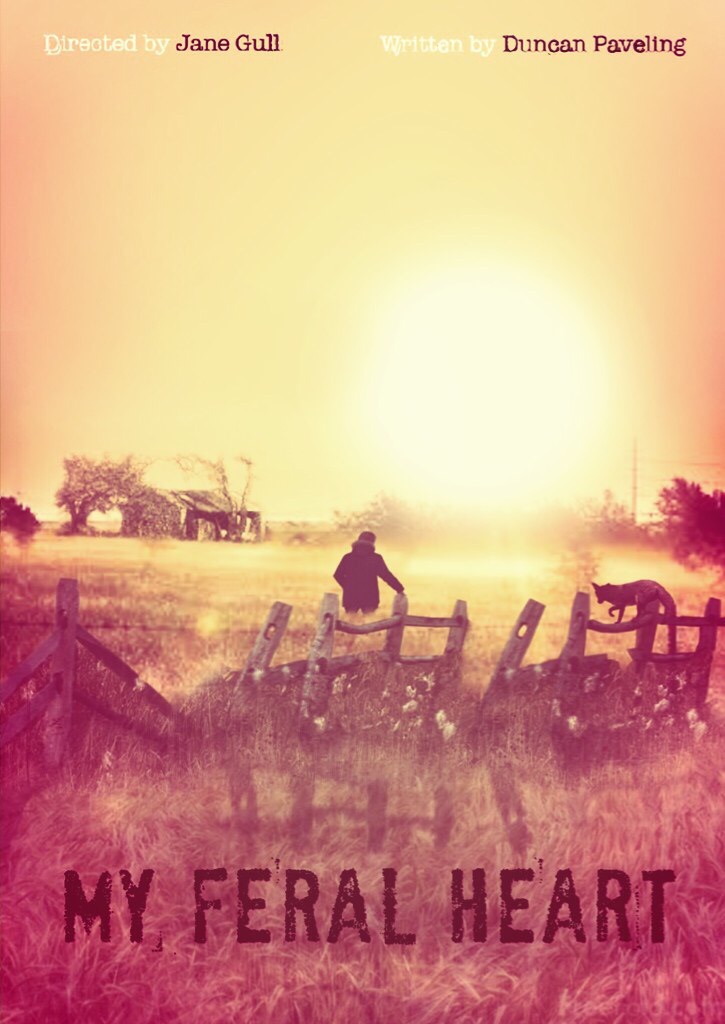
Last night 36 cinemas in the U.K. played host to screenings of My Feral Heart as part of World Down Syndrome Day. The many 100s in attendance were treated to a moving portrayal of coping with loss and the difficulties of abrupt changes in circumstances that people with Down syndrome are sometimes forced to cope with.
Star Steven Brandon plays Luke, a young man with Down syndrome who is coming to terms with the death of his mother. Moved to a nearby care home, he must forge new relationships with the carer at the home Eve (Shana Swash) and a man working nearby on community service called Pete (Will Rastal). After leaving the home to explore the surrounding areas he is comes across a girl in need of help, a task that brings Luke new purpose.
The performance by the lead actor Brandon is extremely moving. This is a complex role that he clearly gave a lot of emotion to. He is a heartbroken son living alongside people he doesn’t feel any connection towards and also feeling robbed of his independence.

There’s a clear comradery between the three lead characters and it’s in these scenes you feel the charm of the humour. It feels natural when Pete laughs at Luke for thinking babies “come from China”, before a big infectious smile appears on Luke’s face. Without this chemistry the film could have fallen down, but praise must also go to director Jane Gull for cultivating and capturing this on film.
The performances are complimented by a wonderfully-orchestrated soundtrack by Barrington Pheloung, who has been crafting high quality film and television scores for almost thirty years.
The ultimate ideal is that people will view this film and change their underlying feelings about Down syndrome, either through the effect of the story or due to the brilliant performance from Brandon. The rhetoric surrounding World Down Syndrome Day is that those living with the condition don’t have special needs, but human needs. They don’t have to be treated completely differently to anyone else. Though the message is precisely this in My Feral Heart, the film itself serves as evidence enough of a great acting achievement by a bright young actor with Down syndrome.
It is heartwarming and completely moving, and it’s something that really deserves to be seen.

Note: Super sleuth Oliver Morris can have most of the credit for this article!
This morning all previous attendees of any Secret Cinema events were unexpectedly sent an email providing limited details on their next fully secret event.
Launching on Sunday 9th April and running until Friday 14th April, the email promised that they would be “presenting a yet unreleased secret film in a secret location”.
“Exploring vivid, enigmatic landscapes ripe with intrigue and coded messages, you will become part of a world that blossoms like a delicate flower to reveal a clandestine, unforgettable experience”.
The tickets for the event go on sale tomorrow (Wednesday 22nd March) at 13:00 (GMT).
You may be intrigued by the idea, but if you want to know the likely films that it could be, read on.
The facts
The email states that the event is strictly for people over the age of 18, which indicates that the film has been rated with an 18 certificate by the BBFC (British Board of Film Classification).
We can also deduce that the film is probably going to be released in a short window between late April and the end of June. The film must be ready for viewing by the general public and it wouldn’t benefit from the extra press this will generate if its release date is too far in the future.
There is also a lot of allusions to plant life, flowers, growth and blossoming, which indicates that this is a strong theme in the film.
The quote “You can cut all the flowers but you cannot keep spring from coming” is a quote from Pablo Neruda and is possibly a red herring, but could be a clue to the film’s country of origin. My hunch is the former.
The final clue provided in the email is the visual title, which features a sketched eye pouring into a waterfall, set amidst a backdrop of a Japanese-style sun that is reminiscent of their flag. It looks Dali-esque, but is certainly very much something that makes the viewers think of the country Japan.
So what films could it be?
This leaves not many option for films. Here are the best guesses.
The Handmaiden

Park Chan-wook’s latest film is an erotic mystery horror that lit up the end-of-year lists for many of the in-the-know critics last year. It is based on the Sarah Waters book Fingersmith, but is set in South Korea under Japanese colonial rule rather than Victorian Britain. The story revolves around a young woman who has been raised as a thief and working as a handmaiden undercover in a rich heiress’s house.
This might seem like quite a leftfield choice for Secret Cinema to tackle, but it certainly fits the bill. It’s essentially set in Japan and has already received a BBFC classification of 18.
It is set for general release on 14th April, which is the day the Secret Cinema run finishes.
Park Chan-wook’s previous work includes two films from 2013 – Stoker and Snowpiercer – along with 2009’s Thirst and 2003’s Oldboy. His films are certainly beautiful works of art and their quality belies the fact his wider work is largely unknown in the west. But perhaps that is the perfect reason for Secret Cinema to base a whole event around his new release.
Alien: Covenant

The only other feasible alternative to The Handmaiden in my eyes is Alien: Covenant. Set for release in May 2017, the film concerns a new crew visiting an uncharted planet that looks on arrival to be full of blooming flowers and plantlife – initially appearing to be a paradise planet.
It is a direct sequel to Prometheus, which itself was subject to a Secret Cinema event in June 2012 immediately prior to its release.
This sequel is set for general release on 19th May 2017, which would put it in the frame for being tackled.
It is probably going to receive a 15 rating (the trailers were rated 15), but that doesn’t mean the night can be so horrifically planned that they don’t want to admit people younger than 18. Plus there will probably be alcohol for sale, which would also need an age restriction.
Certainly the spending power of 20th Century Fox would lend itself to a last-minute decision to be subject to a huge Secret Cinema event, with increased cost as a result of running it in parallel with the Moulin Rouge event across London. Would the Secret Cinema team put so much pressue on themselves to run two concurrently unless they were set to make a lot of money on the back of it?
Conclusion
Honestly, it could be either of the above. Or neither. The beauty is in the guessing and the not knowing.
Either way, the nights will be a wonderful treat for fans of cinema and well worth the money.
Act fast tomorrow at 13:00 to avoid disappointment.
Note: This article proved to be spot on (2 for 2!). Check out the follow-up here and a quick haiku review here.

THIS ARTICLE IS FULL OF SPOILERS
Hugh Jackman is, in the superhero film world, a living legend. There has never been a single actor or actress that has achieved relentless success across so many different films in this genre, making a character his own and developing it into one of the big guns instead of just part of a team. Like the character Wolverine, the actor behind him seems like he’ll play the part forever.
And yet we come to Logan, a wisely-timed and fitting ending to the franchise and Jackman’s input into the character. It’s hard to believe it but this is the tenth time we’ve seen the character – seven X-Men films have now been made, along with three Wolverine-focussed standalone films. It seems impossible to think anyone will fill the role, meaning this could be the last time we see the character for many years, possibly ever.
It could well be the best superhero/mutant-hero film ever made.

Set in the world 2029, the film finds Logan worlds apart from his former self. Hiding out in a disused smelting plant in New Mexico, he is working as a chauffeur whilst hustling for prescription drugs for Professor X (Patrick Stewart), whom he lives with alongside Caliban (a surprisingly sincere Stephen Merchant). He is tracked down by a mysterious woman named Gabriella (Elizabeth Rodriguez) who is trying to get him to take a young mutant girl named Laura (the brilliant Dafne Keen) to specific co-ordinates in South Dakota before Transigen finds her to either kill her or take her back into their shady mutant development programme. The company, which we have previously glimpsed in X-Men: Apocalypse, is headed up by Zander Rice (Richard E. Grant), whilst they are hotly pursued by head of security and leader of the Reavers Donald Pierce (Boyd Holbrook).
Jackman reportedly took a pay cut to ensure this film received an R-Rating in USA. The result is certainly the most brutal cinematic portrayal of Wolverine yet, with no holding back on any of the gruesome details. It is certainly not a kids’ film. Jackman looks battle-worn from the start, the reasoning given that the adamantium is now poisoning his body and losing its regenerative abilities. His best cure is to drink alcohol, which may mask the pain but won’t cover the endless scars across his body.
The perfect muse for Jackman’s final turn as Logan is Patrick Stewart, reprising one last time his Professor X character. Now in the midst of a horrific battle with dementia, he struggles to keep control of his telepathic abilities. What is really interesting here is that it is a study of people at the end of their life who are losing their usefulness to society. Okay, this is shown in the most extreme manners when someone has superpowers, but the poignancy is still there for everyone to see.
To add extra emotional weight to the film, the young girl is revealed to be the kind-of-daughter of Wolverine, in that she shares some of his genetic make-up. In the greater comic book storylines she is X-23, who first appeared in 2003. Whilst not strictly his daughter, this is a clever plot device as it means the two characters are immediately drawn to one another, despite their tendency to mistrust those around them.
It may be masquerading as a film about mutants but this is so much more – a character-driven drama about old age and retirement.
Inevitably, the ending is upsetting, as we see our titular hero sacrifice himself to ensure the safe passage of his daughter. The final scene, especially the final shot, is absolutely perfect.
A fitting end to one of the greatest film characters of our time.

Manchester By The Sea is by no stretch of the imagination a happy film. That it was advertised in some channels as a comedy is beyond me. It’s a bleak look into one man’s struggles with his past during a particularly depressing period of his life, and I’m not sure that there was a particularly happy ending to it either. But it is absolutely deserving of its plaudits, and the results are both effecting and memorable.
WARNING! The next paragraph spoils the first twenty minutes or so of the plot, but only really covers what is in the trailer. If you don’t want to have anything ruined then just stop reading and simply watch a film that deserves your time.

The story, in a nutshell, is about Lee Chandler (Casey Affleck), a single man in a dead-end handyman job with no semblance of positivity for his or anyone else’s life. His brother Joe (Kyle Chandler) dies young due to a heart condition, forcing him to return home to Manchester, Massachusetts to sort out the funeral arrangements and look after his son Patrick (Lucas Hedges). However, he soon finds out that he has been named the sole legal guardian for Patrick, forcing him to take on unwanted responsibilities and confront his past relationship with former wife Randi (Michelle Williams).
Affleck’s performance is well-balanced and measured. It’s a role that doesn’t call for any big movements, and the beauty of it is in the understated reactions to the huge changes going on in his life. He is almost dead to life itself, so his reaction to his brother’s death or his new found responsibilities are equally lacking in emotion. A worse actor would have ruined the film, yet he brings the whole story to life. Kenneth Lonergan has a lot to thank him for.
The music is brilliantly effective. Lesley Barr has worked wonders with her fantastic score, her first in five years since 2011’s The Moth Diaries. There’s a great interview with her over at The Muse, in an article by Bobby Finger, which is well worth reading. It’s a shame it was deemed ineligible available for an Academy Award nomination.
There has been a bubble of negativity towards Casey Affleck that surrounds his personal life. He has been accused of physical abuse against two women working alongside him on the film I’m Still Here – Cinematographer Magdalena Gorka and producer Amanda White. Affleck denied any wrongdoing but settled both claims out of court in 2010.
Many sections of the press clearly think there’s a lot of truth in the stories. There seems to be a media-led unspoken rule about how much time people in the film industry must live in penance until the world forgives them again. Mel Gibson has seemingly served his time now following his controversies with his ex, Russian pianist Oksana Grigorieva, but it seems we are all permitted to enjoy Hacksaw Ridge, even though The Beaver was a brilliantly-bizarre turn that came at the wrong time of his career and has been largely ignored as a result.
Should we rise above the noise and embrace Casey Affleck? Well, the Academy certainly thinks so, as do the Golden Globes and BAFTA, all three of whom awarded him a Best Actor prize.
In isolation, there is no doubt that Affleck has brought to life a wonderful story and put in one of the best turns of his career. If you can live with and forget about the settled accusations, you’ll be rewarded.
Whatever you do, don’t mention Forrest Whittaker’s performance in Rogue One.
It’s a bit of a Saw Gerr-area.

Ben Wheatley returns this month with his latest feature film Free Fire, which blends brutal action and sharp humour to create a roaring success of a film that will keep audiences entertained way beyond the 90 minute running time.
The premise of the film for Wheatley stemmed from Wheatley reading online of various police stand-offs throughout history. He found one that lasted 45 minutes because neither party could hit their targets, despite years of training to do precisely that (sadly I can’t find the article to link to). This tickled a nerve with Wheatley, who thought it would be brilliant to see it on the big screen – especially since most stand-offs in films last no more than a minute.
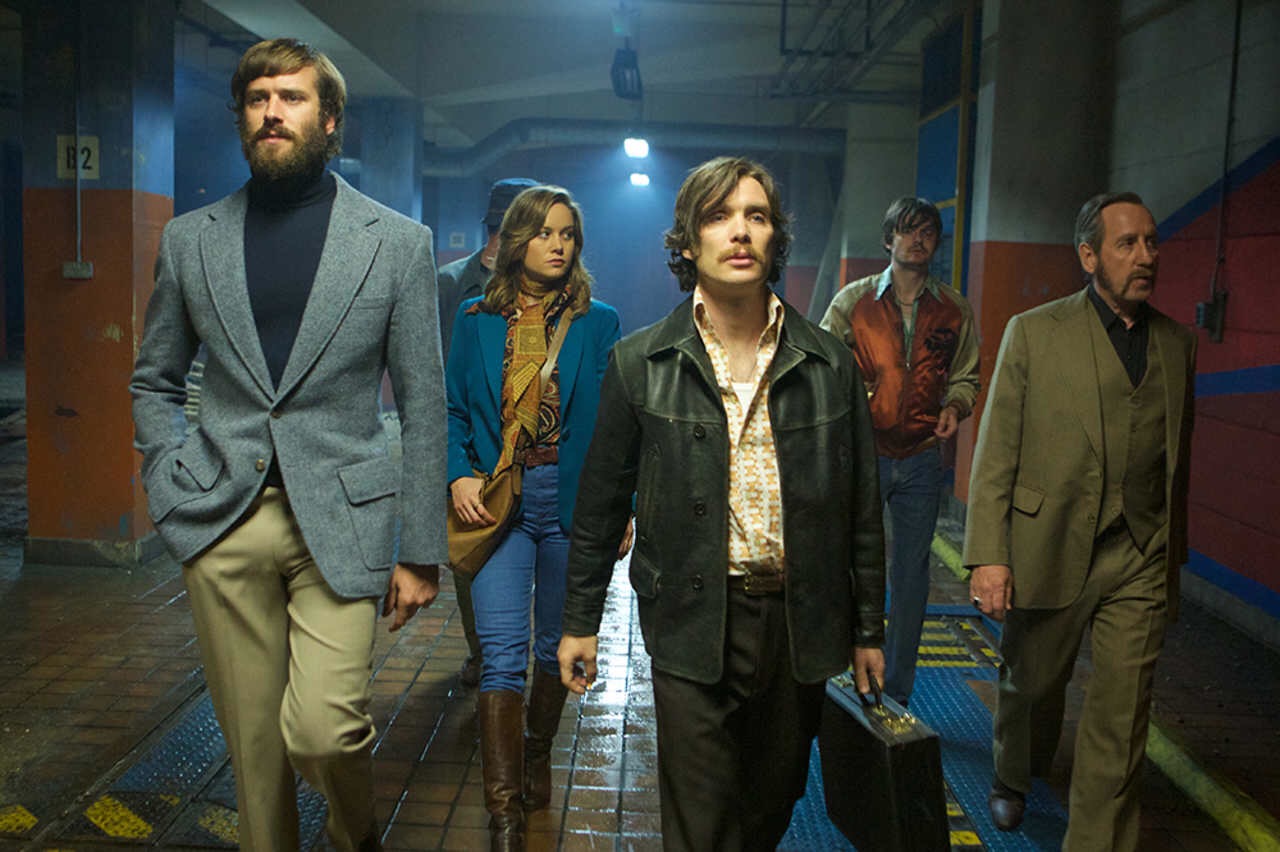
Set in the 1970s, the story revolves around two gangs meeting in a warehouse to make a trade for some arms. One group includes Chris (Cillian Murphy) and Frank (Michael Smiley), both presumably sourcing their weapons for IRA-related activities (though this is never explicitly mentioned), along with headstrong Justine (Brie Larson), idiotic junkie Stevo (Sam Riley) and even-more-idiotic Bernie (Enzo Cilenti). Providing the weapons are a group including bearded negotiator Ord (Armie Hammer), the sharp-tongued South African Vernon (Sharlto Copley), the intelligent Martin (Babou Ceesay), driver Harry (Jack Reynor) and Gordon (Noah Taylor) alongside a handful of support characters.
Speaking after the film at a preview at Broadway Cinema in Nottingham, Wheatley offered a brilliant insight into some of the production decisions on the film.
Hilariously, to get a feel for the environment and ensure the people were in realistic positions throughout to communicate properly, he had the entire set built in video game Minecraft. This allowed him to walk around the factory and get a feel of where he’d be once production started. A simple but brilliant solution, but also necessary as he stated this is the only 3D modelling tool he knows how to use.
On a similar note, the shoot-outs themselves were partly inspired by Wheatley’s experience of playing video games, a medium he is a fan of enjoying even though he is yet to be involved with the creation of one (sadly his comment about writing an adaptation of 1980s video game Gauntlet was probably tongue-in-cheek).
One issue they could have faced was in the continuity for the bullet shots. Clearly with 1000s of bullets flying around, there was a risk of wounds being out of place, or disappearing and reappearing between shots. The simple solution was to film it in sequence, which also plays into the building of tension at the start and exhaustion for the characters as the story plays out.

Learn from Vern
Of the many great performances here, the highlight is Sharlto Copley as Vern. Initially annoyed about his Savile Row suit getting damaged, his whitty one-liners had the audience in creases. He’s a complete jerk and Copley plays it brilliantly, his irritating mannerisms making the heightened-tension all the more believable.
The result is a film that consists almost entirely of a shoot-out that feels far more realistic than anything we’ve become accustomed in Hollywood films. People aren’t simply experts in shooting guns and it takes practice and skill to be any good at it. The characters in this film aren’t experts and that’s why the film plays out as it does. It’s grim, gritty, exhausting and hilarious.
Seek it out and watch it.
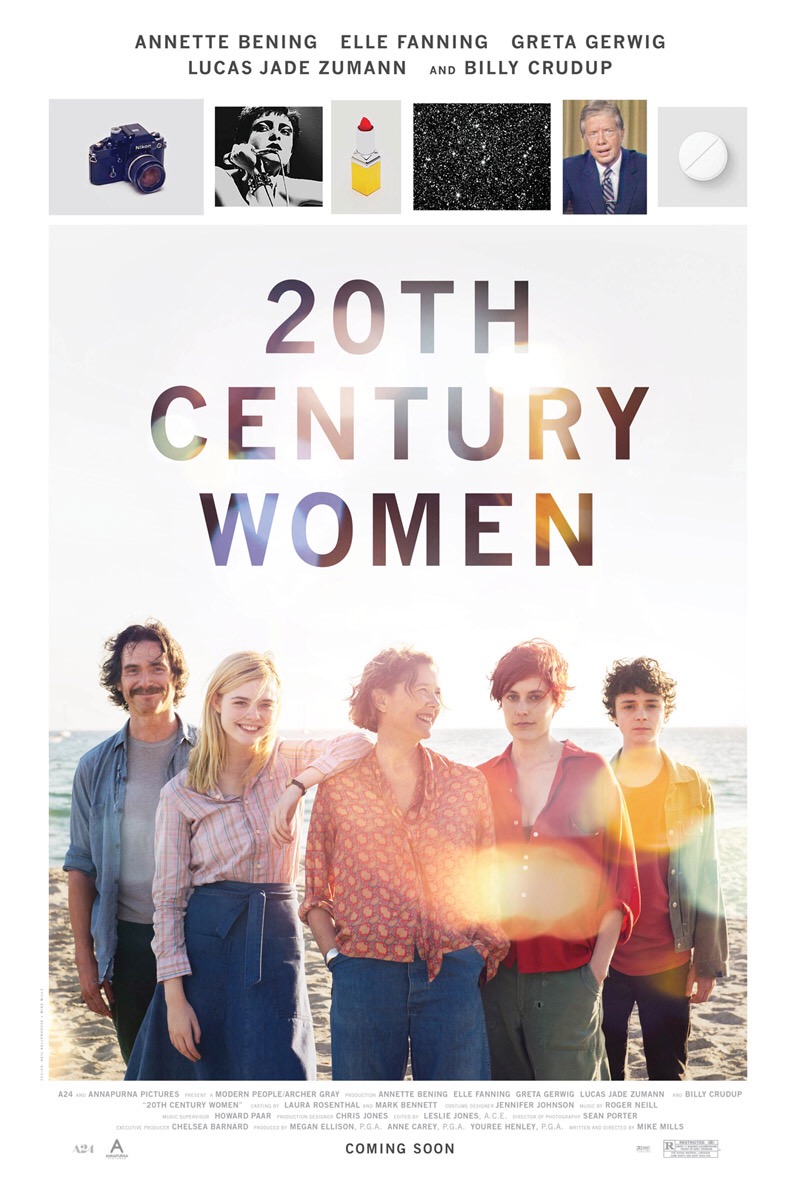
To mark 2017’s International Women’s Day, I dropped into the cinema to catch 20th Century Women, a film with three powerful and independent women at the heart of its plot. A triple Bechdel Test passer, the film indeed avoids the usual cinematic tropes and instead explores how men are often defined by the women around them.
In 1979 in Santa Barbara, California, Jamie (Lucas Jade Zumman) is a 15-year-old boy who is lacking a father figure in his life. His mother Dorothea (Annette Bening) has been long-single, but lives in a luxuriously huge house that she has converted into a sort of commune, in which lives a young female photographer Abbie (Greta Gerwig) and an emotionally-detached carpenter and handyman William (Billy Crudup) who is renovating the house for her. Julie (Elle Fanning) is a girl with whom Jamie is unrequitedly besotted; she wishes for him to remain as a friend only whilst she has a series of never-seen male sexual partners.
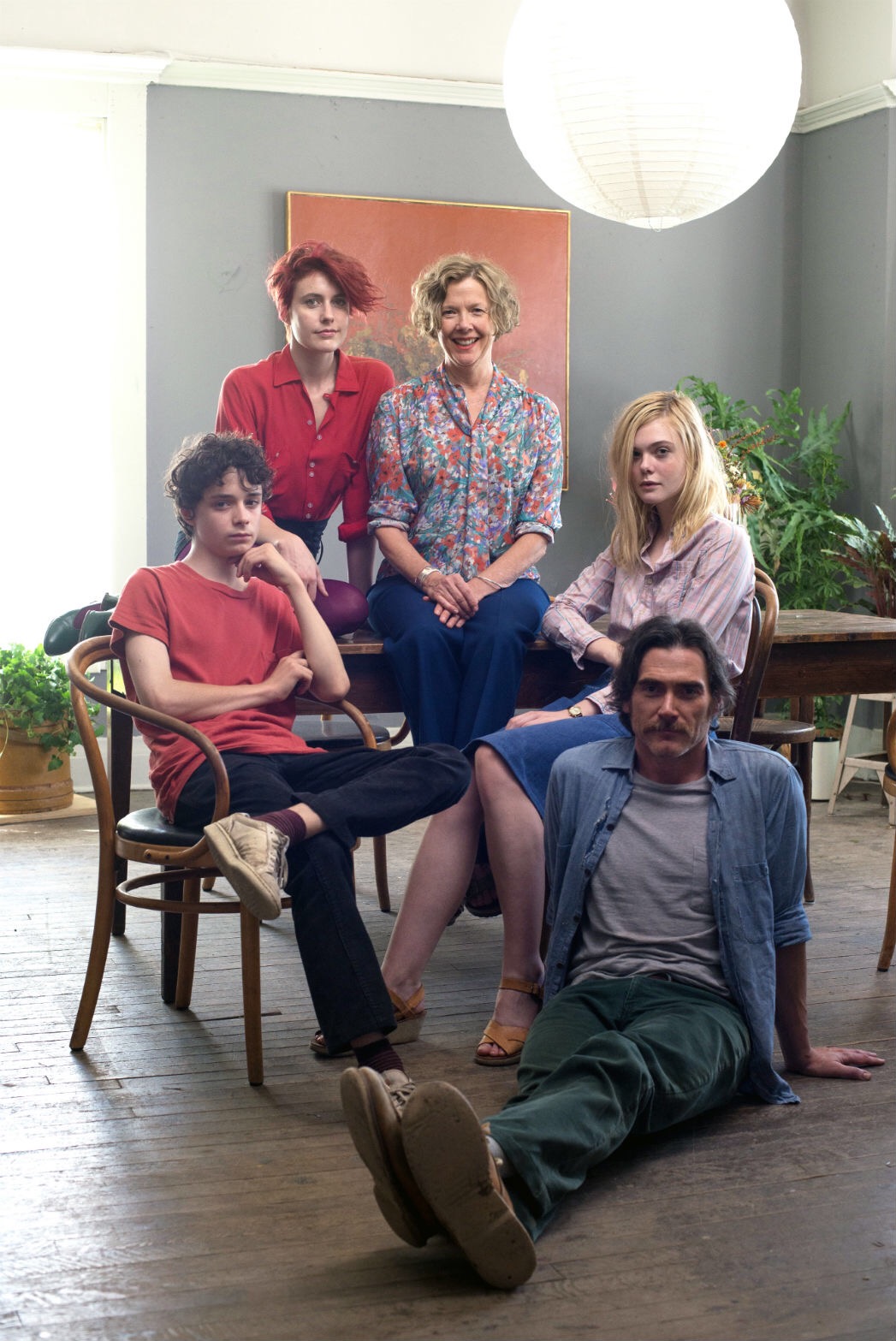
Mike Mills has cultivated an intelligent film from his own original script, describing it as a love letter to the women who raised him.
It’s the sort of quirky and intimate story that can only be crafted from ones own experiences, with two fingers up to the notion that boys need fathers and girls need mothers in order to be raised properly. Interestingly, whilst there are innumberable films that explore fathers being thrust into the role of both mother and father figures to both boys and girls, the concept of a group of women creating a support network for growth of a teenage boy feels wholly fresh and quite important.
The standout performance in a solid cast comes from Greta Gerwig, who I have seen in several films previously and never been excessively impressed with. This time, she is absolutely mesmerising as a young woman who is recovering from cervical cancer. We learn that the cancer was probably linked to her mother’s Diethylstilbestrol (DES) drug treatment during her pregnancy. She has been effectively disowned by her guilt-stricken mother, unable to cope with the fact she feels responsible for causing her daughter’s cancer. As a role, this is no light task, and Gerwig is at times totally breathtaking in her performance.
It is strange that the boy whose life the story revolves around eventually turns out to be a supporting character to the three leads. It is a lovingly-created film that is as relatable to mothers as it is to sisters of brothers and as it is to sons. With characters this believable and brilliant performances across the board, this is a film well worth seeing.
 Cinema, etc.