Glastonbury 2017 Day Two – Prince Achmed, Quiz, Napalm Death, Everything

My second day at Glastonbury this year found me out for the lightweight I really am. I’m sat in my tent at 23:20 now, having given up for the night. There are probably four hours of quality entertainment ahead of me but I simply can’t hack it.

My day started swimmingly with a trip to the Pilton Palais for a screening of The Adventures of Prince Achmed. The performance was accompanied by the Guildhall Electronic Music Studio. The film and accompaniment were top quality and it was a well-chosen start to the day.

After wandering with some friends for a while, I stumbled across a man playing a great selection of covers songs at the Open Arms Bar. We watched a handful of songs, sand heartily (if ironically) to “Take Me Home Country Road” and then set off towards the West Holts Bar. This is where I was “that guy” – the one that randomly helps out with a pub quiz without anyone asking him to. Everyone loves that guy. Right?

Our next step, bizarrely, was to visit Shangri-La and watch Napalm Death. I’m going to be honest – the songs merged into one another and I was hardly impressed by any of their music. Perhaps I was too far back but it didn’t feel like any of their songs were distinct enough or had enough dynamics to encapsulate a crowd who started the set with interest if not enthusiasm.

We tried then to see Everything Everything at the Williams Green stage. The crowds were busy for this set, which was possibly the worst-kept secret of the weekend. Alas, we gave up by the second song and moved on.

And that brings me to here. I was too tired to carry on and made my way back to my tent, even though I desperately wanted to see a friend performing with The Trojans. Exhausted and in need of some rest, I’m hoping I last longer tomorrow night for the huge headline set from Radiohead. I’m sure they’ll have an uplifting song or two to get me through the tiredness barrier.

Film review – Die Abenteuer des Prinzen Achmed / The Adventures of Prince Achmed (Lotte Reiniger, 1926)

The uniquely-animated ‘Die Abenteuer des Prinzen Achmed’, Lotte Reiniger’s 1926 film, is a hugely important film. Work started on it in 1923, and it is the earliest-surviving animated feature film – it clocks in at 65 minutes.

The animation technique used involved cutting out cardboard silhouettes of the characters and manipulating them frame by frame. Some 93,000 frames were created for the film.

Reiniger’s attention to detail was matched by that of the restoration team at the Deutsches Filmmuseum, who in 1999 returned it to its former glory and allowed new generations to enjoy it.

Today’s screening, which was at the Tilda Swindon-curated Pilton Palais at Glastonbury Festival, was accompanied by a unique re-score by the Guildhall Electronic Music Studio.

It’s easy to create a modern score for a classic piece that simply doesn’t fit – Air’s ‘The Journey to the Moon’ is certainly guilty of that – but the mix of classical piano and basic sound effects works perfectly. Mike Oliver oversaw the project and acted as a mentor to those involved. The piano accompaniment from Barbara De Biasi is reminiscent of the Joe Hisaishi scores for Ghibli Studio. As a fan of Hisaishi’s work this was very much welcome. This was augmented by Eric Fabrizi with paper-based sound effects and live narration from Mike Oliver and his daughter Molly.

It all came together wonderfully and felt respectful of the original work whilst breathing a new life into it for a new, younger audience.

It was well attended by an early-afternoon festival crowd. Anyone appearing early for the Frozen sing-a-long would have been entirely confused. For everyone else, the film was a triumph. Congratulations to all involved.

Film review – レッドタートル ある島の物語 / The Red Turtle (Michael Dudok de Wit, 2017)

The Red Turtle may find it hard to be discovered by a dedicated mainstream market. This is almost inevitable for a feature-length traditionally-animated film that involves no spoken words at all, with a simple but thought-provoking story line. Its limited release reflects a genuine assessment of the expected appeal to the wider market. 

This is a shame because the film is a genuine triumph.

The film opens with a man being thrown around helplessly in an unnamed ocean. Struggling to fight the waves, he falls unconscious, later waking up on an uninhabited island. 

The nameless man never speaks, aside from the occasional “Hey!”, whilst his heritage is also somewhat ambiguous. Shipwrecked on an island and left to fend for himself, he busies himself with building a raft to escape and reunite himself with the outside world. However, a large red turtle prevents him from escaping, attacking the raft every time he attempts to leave. When it unexpectedly washes up on shore, he faces a conundrum – free it or exact revenge. 

If you have any fears about The Red Turtle maintaining your attention, you needn’t. It’s one of the most engrossing films I’ve seen this year.

The beauty of the film comes in its simplicity. With no character back stories, no names, no requirement to set the scene beyond the initial opening gambit, we’re left to ponder its surprisingly inspirational content.

Around halfway through the film, the man’s decision to flip the turtle on its back is doubtlessly divisive. Left without much else to focus on, my mind inevitably ended up wondering what I would do in the same situation. The turtle dies, which the man immediately regrets and feels great sorrow for. I felt equally guilty for feeling like he wasn’t completely in the wrong. A senseless murder of an innocent animal, but one that felt partly justified as revenge.

It’s a simple act that drives the more fantastical second half of the film. The lifeless body of the turtle disappears and is replaced with a young, beautiful woman, whom the man subsequently falls in love with.

Clearly, this is a film that is steeped in the metaphorical, encouraging the viewer to think about the deeper meaning of what they are seeing – and giving them the space to do so.
The turtle is a visual representation of man’s relationship to nature. Even as the stranded man fights against the tides and tries to leave the island, the turtle forces him back onto the island, on which he has everything he could possibly need to simply continue to survive. The turtle evenrtually provides him with companionship and, later, a child, this providing him with a fulfilling life too. 

It is a tale in part about man’s short-sightedness towards a nature that gives him everything, highlighting the knee jerk reaction to things he doesn’t understand. It is about the cycle of human life, about the destructive nature of humanity and about the forgiving nature of the surrounding environment – a nature that is forced to adapt to humanity’s shortcomings and still provide a platform for all life – human or otherwise – to continue.

For anyone with a passing interest in the future of the planet, beautiful animation or engrossing stories, this is a must-see.

Duke Weaselton’s Officially Licensed Movies

Around eighty minutes into the magnificent Zootropolis, there’s a great moment where Lt. Judie Hops (Ginnifer Goodwin) and Nick Wilde (Jason Bateman) follow a lead to solve their case. They wind up at a dodgy DVD stand manned by Duke Weaselton, voiced by the ever-entertaining Alan Tudyk.

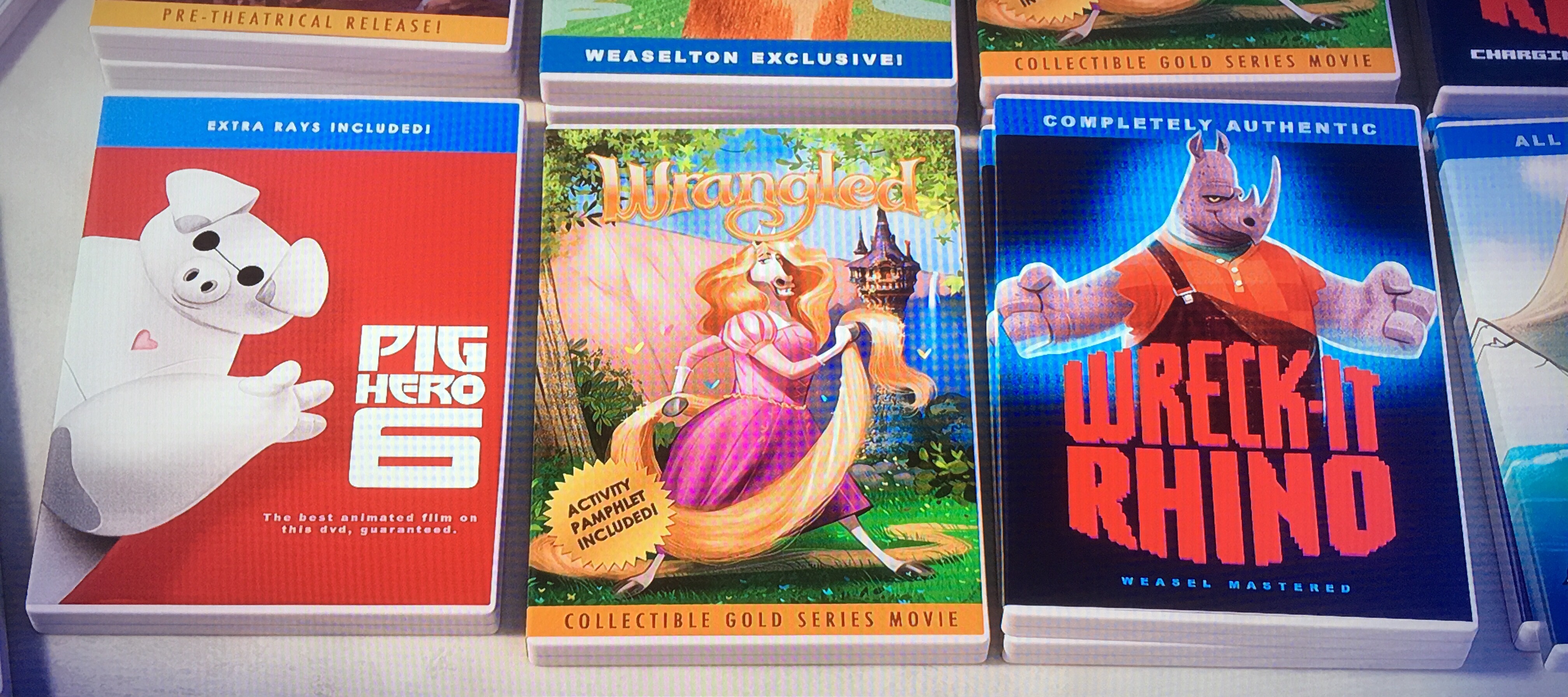
That character is in itself a riff on his character in Frozen, the Duke of Weselton, but the jokes don’t stop there. His dodgy DVDs are all parodies on recent Disney movies, clearly having a pop at the endless rip-offs that flood the market every time a new Disney film is released.

The films include Pig Hero 6 (in place of Big Hero 6), Wrangled (a take on Tangled) and Wreck-It Rhino (Wreck-It Ralph).

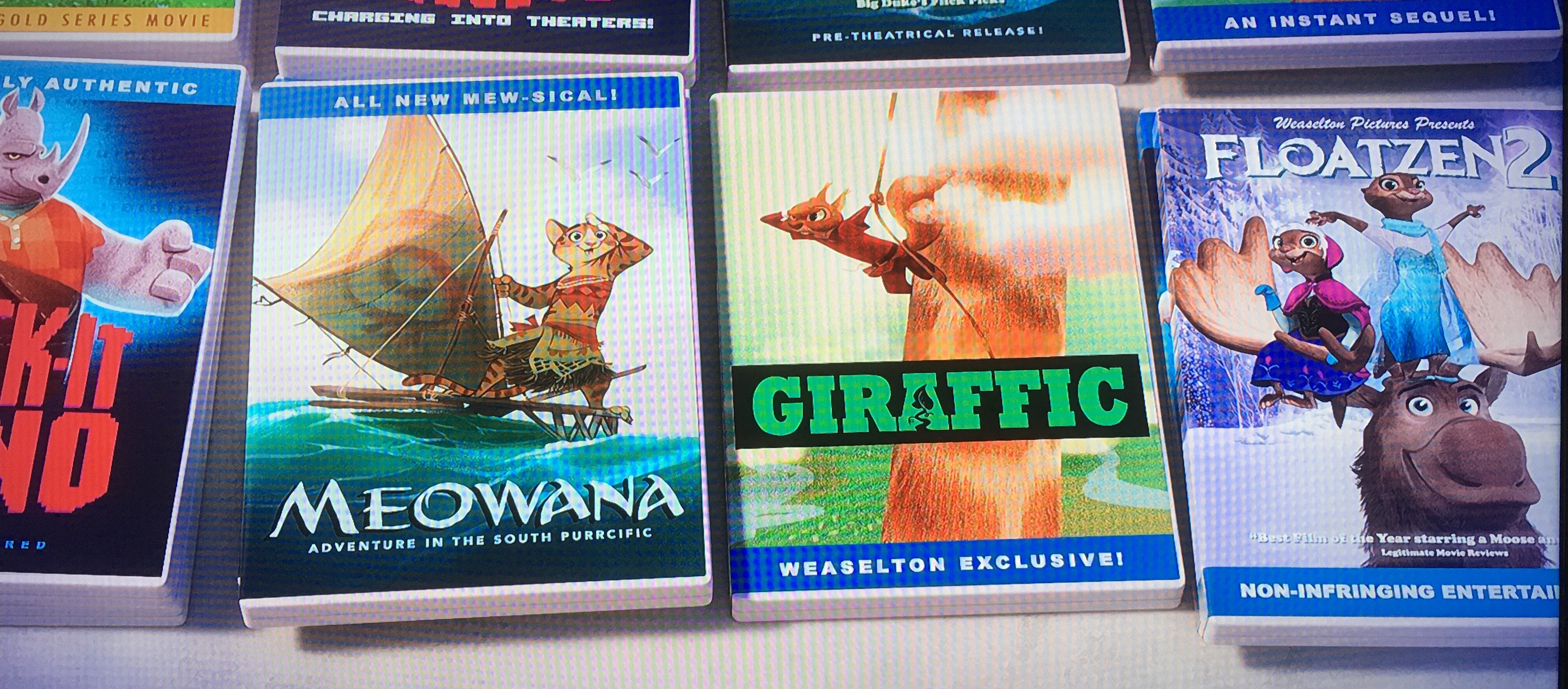
They even then pan onto a second pile of DVDs and Weaselton brags that he has films that haven’t even been released yet. Those include Meowana, which is a take on the then-yet-to-be-released Moana that replaces the lead character with a cat. Giraffic, the second in the pile, is a Giraffe-themed parody of the upcoming Gigantic, which is a Jack and the Beanstalk tale due for release in 2020. Finally, Floatzen 2 is Frozen but with a moose and two otters in the lead roles, with a review attached underneath that reads “The best film of the year starring a moose and two otters.”

Digging even further, there are more hidden in the row above those in the centre of the screen. Most notable is what appears to be a sequel to Giraffic – a similar cover to the first film but with the tagline “AN INSTANT SEQUEL”. There are also alternative covers for Meowana, Wreck-It Rhino and a mystery film in the top left corner of the first screen (as above), which doesn’t match up with any of the other films but could be a draft poster for something like Ralph Breaks The Internet or one of the other upcoming projects.

Zootropolis is full of weird Easter Eggs and it’s certainly worth checking out again to try to pick them all up.

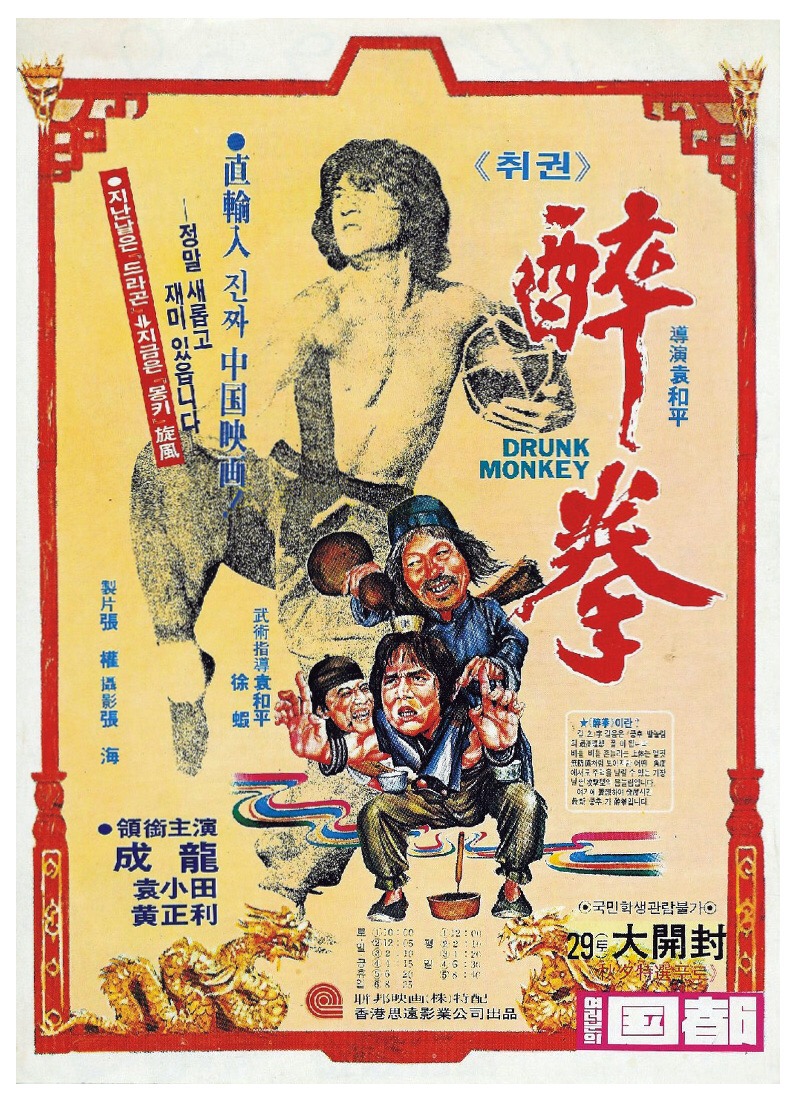
Film review – Drunken Master (Yuen Woo-ping, 1978)

Two decades before Jackie Chan broke into Hollywood with box office smash Rush Hour, he was making another significant breakthrough in his career. Snake in the Eagles Shadow and Drunken Master were both released in 1978 by Seasonal Film Corporation. They marked Chan’s first mainstream success as a lead actor and showed him to be a realistic option to fill the gap in the market left by Bruce Lee following his unexpected death in 1973.

Chan had worked as a stuntman on two of Lee’s biggest films: Fist of Fury and Enter the Dragon. But it took the two action comedy films in 1978 for him to rise to prominence and make the world pay attention to just how entertaining he is on screen.

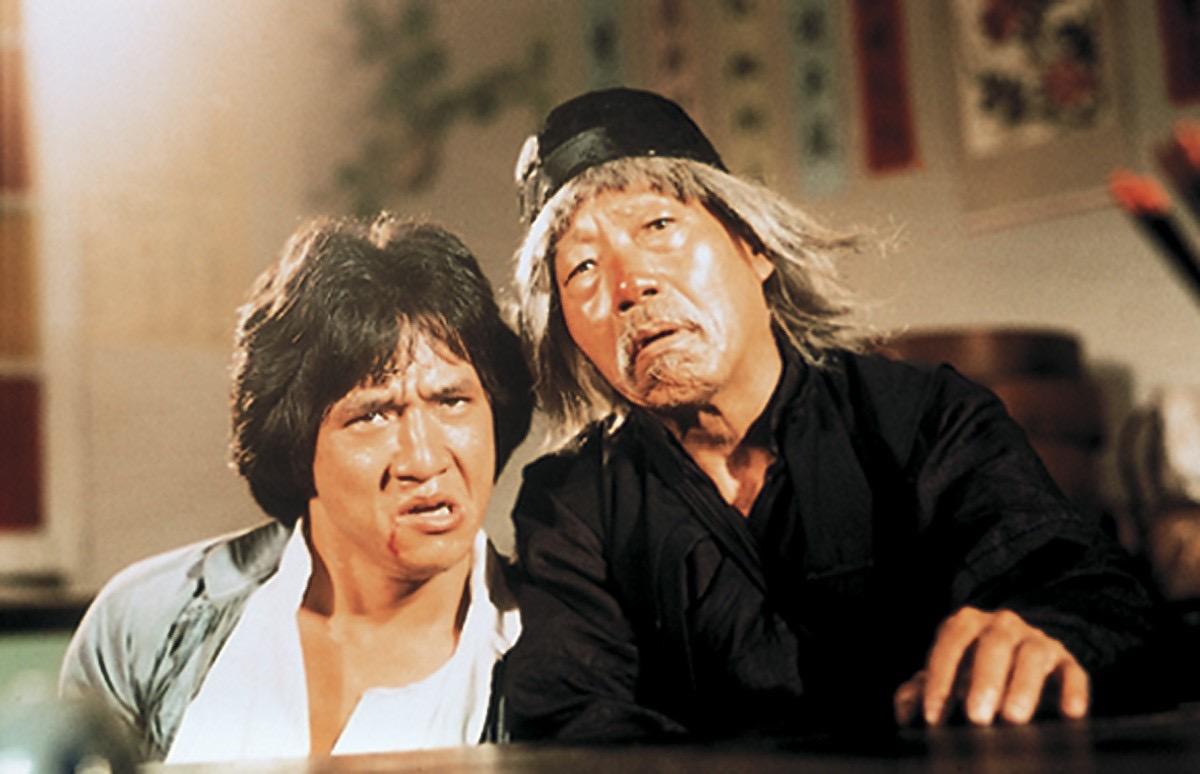
Drunken Master, which has recently been remastered and issued in HD on Eureka’s Masters of Cinema label, tells the story of Wong Fei-hung (Chan), a young martial arts trainee with more confidence than ability. A couple of incidents in his local town lead him to be disowned by his father – a martial arts master – and he is forced to train with the great but harsh Beggar So (Yuen Siu-tien). Beggar So is a master of the secret martial arts techniques of the Eight Drunken Immortals, and Wong must train with him to master the techniques to defeat the notorious killer Yim Tit-sam (Hwang Jang Lee).

Once Chan appears on screen for the first time, his charisma and charm are there in plain sight. He commands the screen and plays everything for laughs. It feels entirely effortless and he inevitably carries the entire film.

The plot and delivery border on the ridiculous. There are comedic sound effects added to every single move in every fight, which may take some getting used to for newcomers to the genre, although why they would start here is beyond me.

The martial arts on display is exemplary, with Chan clearly an expert in his art to the point of making his character look completely believable as a poor student. Also notable are Hwang Jang Lee’s Taekwondo displays, which are utilised to great effect.

Inevitably, if you’re seeking out this film you’re probably doing so to see the origins of Jackie Chan’s career. On that level, you won’t be disappointed as it shows a young actor having fun finding his feet in a lead role. An underrated gem.

Drunken Master can be purchased on Blu-ray now. It is also available on U.K. Netflix.

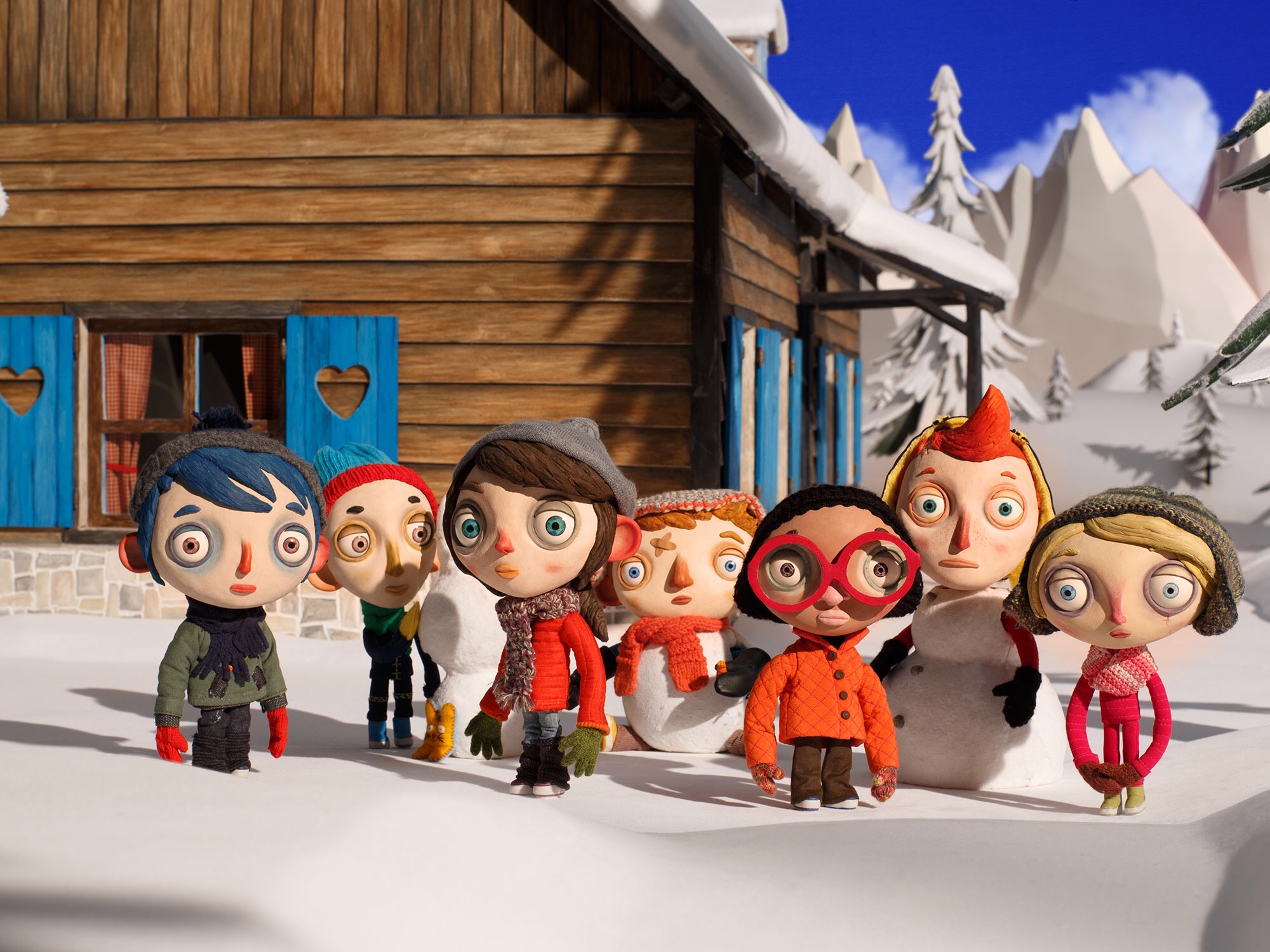
Film review – My Life as a Courgette (Claude Barras, 2017)

My Life as a Courgette is a stop-motion animated film directed by first-time feature director Claude Barras. Short in length but big in heart, it has a way of drawing the viewer in and delivering a weighty emotional drama, despite its saccharine veneer.

It tells the story of the titular Courgette, a boy who is forced into an orphanage at the age of nine. He has come from a lonely and unhappy background but quickly learns to adapt and find his path with the six other children he lives with, notably the over-confident Simon and new girl Camille, whom he takes an immediate liking to.

This shot is one of the most memorable lingering shots of the film

The narrative is carried out from the perspective of the children, which gives rise to some elements of humour whilst giving the situation a melancholic edge. These are children all going through the same issue, as one child puts it they’ve “ran out of people to love them”.

The animation is truly beautiful and endearing, with a unique character design coupled with an a seamless stop-motion animation style. It is simply a joy to watch.

You’ll be hard-pressed to find a more emotionally-involving story in cinemas right now. This is one that needs to be seen.

My Life as a Courgette is out in cinemas now. You can watch a free ten minute preview below.

The Levelling (Hope Dickson Leach, 2017)

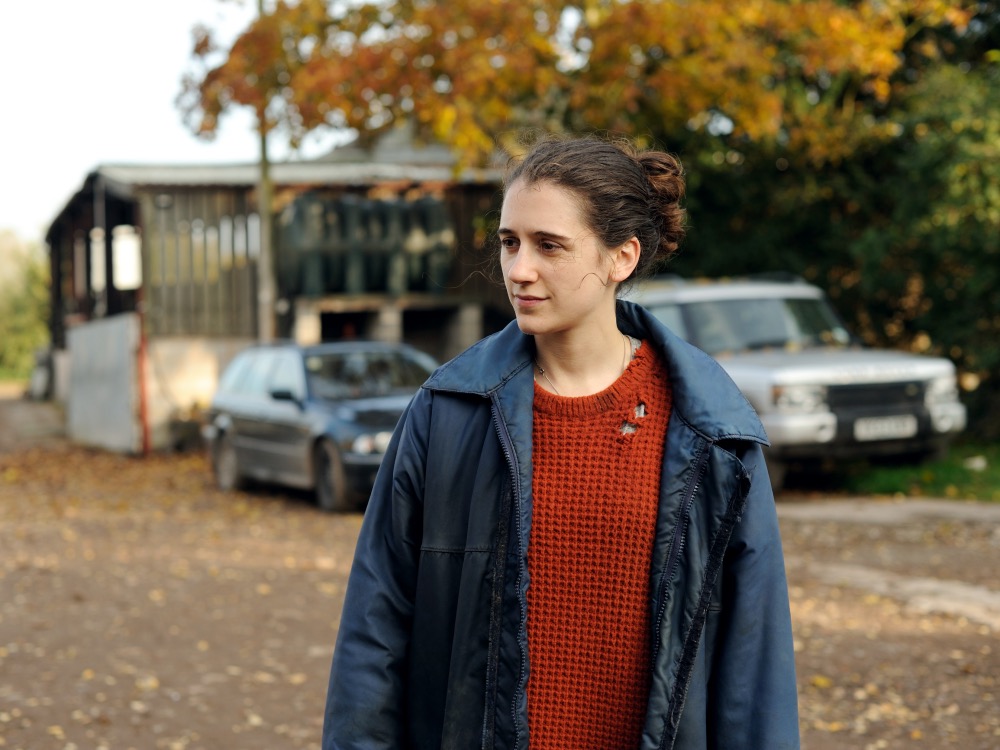
Ellie Kendrick may be familiar to most as Meera Reed in Game of Thrones, but she has been extremely busy outside of Westeros with a series of challenging roles on stage and off. Her latest appearance, this time as the star of drama feature The Levelling, sees her take on the complex character of Clover, a British girl who returns to her farmhouse home after the unexpected death of her brother Harry (Joe Blakemore).

The tone of the film is inevitably dark and the setting is as grim as it is claustrophobic. The whole film plays out entirely within the confines of the farm, as Clover is forced to come to terms with what has happened whilst also dealing with a tattered relationship with her father Aubrey (David Troughton), a man who is either unable or unwilling to open up emotionally and would rather just carry on as if nothing has happened.

You may be forgiven for a reluctance in diving head-first into this film. When the main star is also a bit character in one of the biggest television series of all time, there is a nagging thought that she may have been cast solely to appeal to fans of Game of Thrones. Certainly the cynic in me can’t get past the fact that the timing of the release has been chosen to cash in on it; it is a matter of weeks before it enters its seventh season.

To presume this would be wholly wrong. Kendrick delivers an absolutely phenomenal performance, swaying between headstong frustration to childlike confusion. It’s a great showcase of her talents and a great piece of evidence that there will be life in her career beyond the final season of Game of Thrones next year.

Writer / director Hope Dickson Leach does well with the location of the film to let the audience know that this is a place that is almost uninhabitable. There’s no respite from the damp, grimness of the untended farmhouse and its surrounding land. The fact that she has achieved so much in her debut feature should be enough for the industry to take note. There’s a lot of talent here.

The subject matter may not appeal to some and may be too challenging for others, but this is definitely an emotional journey worth going on.

Film review – Mindhorn (Sean Foley, 2017)

Julian Barrett and Simon Farnaby have come together to create a brilliantly British comedy in Mindhorn, with the pair co-writing and co-starring in a story about a washed up actor who can’t let go of his former glories.

Barrett takes the role of Richard Thorncroft, who is better known as the titular TV detective Mindhorn. Twenty-five years after his show was axed, disgraced Thorncroft is desperately in need of a fresh angle to kick start his career. The love of his life and former co-star Patricia Deville (Essie Davis) has now married Clive Parnevik (Farnaby), who was previously a stunt double for Mindhorn. When a police investigation into a probable murderer called Paul Melly (Russell Tovey) takes a bizarre turn, Thorncroft is brought on board to help talk to the man and discover the real truth.

The jokes come thick and fast, though many could be easily missed for those not tuned into this style of comedy. Plenty of the beats come from Alan Partridge and it does feel like a variation on the script for Alpha Papa. This isn’t a bad thing at all. Incidentally, Steve Coogan appears as a rival and former co-Star of Thorncroft named Pete Eastman.

The story is quirky, but comedies live and die on the amount of laughs they deliver. In this sense, Mindhorn soars. From the nuanced references to 1980s British television, to cringeworthy moments largely shared between Barrett and Farnaby, it is hilarious from start to finish.

Foreign markets are yet to experience the brilliance of the film. If I’m honest, I’m not sure how it will land. The humour is distinctly British, whatever that means. Mind you, it’s more accessible than the likes of Monty Python and The Mighty Boosh, which all enjoyed global audiences, so hopefully I am wrong on that front.

This isn’t the kind of film that rises to the top of the charts on its first week of release. Instead, I’m predicting it will follow the path of Anchorman and Hot Rod to become a comedy sleeper hit that people will talk about in a few years’ time.

Do yourself a favour and get in on the act now. You can’t handcuff the wind.

Film review – Letters from Baghdad (Sabine Krayenbühl and Zeva Oelbaum, 2017)

Synopsis (taken from the official website)

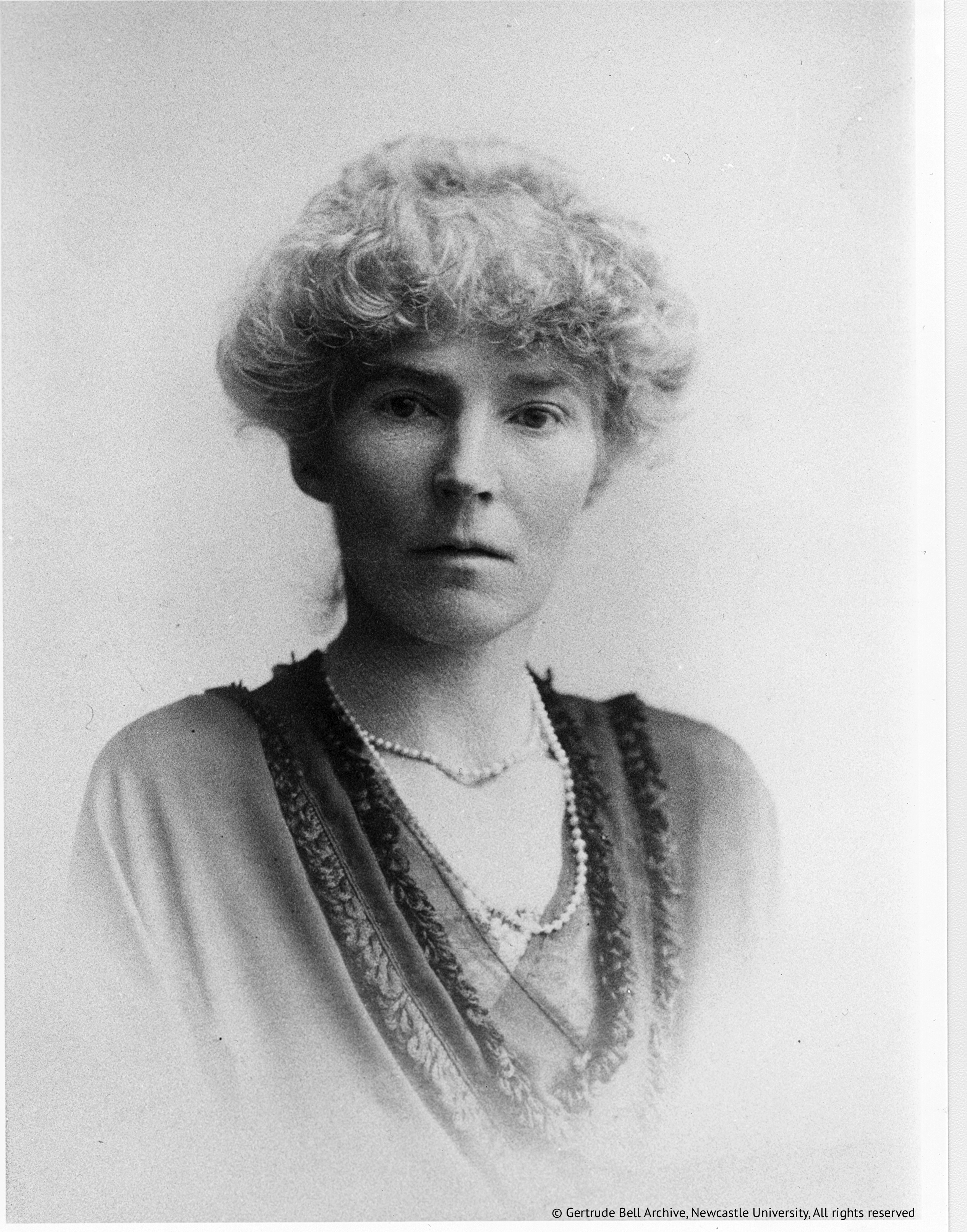
Letters from Baghdad tells the extraordinary and dramatic story of Gertrude Bell, the most powerful woman in the British Empire in her day. She shaped the modern Middle East after World War I in ways that still reverberate today. More influential than her friend and colleague Lawrence of Arabia, Bell helped draw the borders of Iraq and established the Iraq Museum. Why has she been written out of history?


Review

First-time directors Sabine Krayenbühl and Zeva Oelbaum have chosen an interesting topic for their debut feature. Gertrude Bell may not be a household name to most, but based on the evidence here she should be. Mixing archive video footage and voice-overs from Tilda Swinton and a host of other character actors, the film brings to life her letters from an important time during Iraq’s formative years.

Bell lived from 1868 to 1926 and was a truly independent woman, defining her life with a series of firsts. She was the first woman to receive a First Class Honours degree from Oxford University in Modern History, the first woman to journey solo into the Arabian desert (1500 miles on a camel across Central Arabia), was the only female diplomat at the Paris Peace Conference in 1919 and the only woman at the Cairo Conference in 1921.

This film concentrates more on her time in Baghdad, critical to the formation of what we now know as Iraq. Her involvement came in the final for years of her life, but in that time she managed to define the borders out of the then-named Mesopotamia, before helping in the formative administration of the country and the controversial installation of their first monarch ruler: King Faisal bin Hussein. She was a good choice to spearhead the tasks due to her knowledge of the area after her extensive travels and relationships and understanding of local knowledge.

To appreciate the film fully it’s probably worth knowing what to expect. It is very much a narrative in the form of a book. It may have taken a considerable amount of time to research and compile the video footage from stock libraries around the world, but the visual result is only minimally engaging. There are many photographs from Bell’s personal collection but no video footage of her directly. This is neither good nor bad, just a matter of fact.

The letters and statements from other people associated to her – relatives, friends and colleagues – aren’t simply narrated. Instead, they are delivered in a talking head style to the camera. It may sound unusual, but it does work and there’s no better way to achieve an entertaining result.

This is a great resource for anyone who wants a penetrable route into the life and achievements of one of the greatest women of her time. It may have its flaws but as a ninety minute film it should reach a wider audience than if they published her letters in book form.

A solid documentary.