Film review – Their Finest (Lone Scherfig, 2016)

You may look at the premise of Their Finest and, coupled with the cast, assume that the film is a lighthearted romp with its aim directly at those to whom World War II is a trip down memory lane rather than a history lesson. It’s an assessment that isn’t wildly wide of the mark, but there’s more substance here than meets the eye.

The story is about a woman rising up against industry stereotypes and an oppressive partner to become a great screenwriter for propaganda war films. That woman is Catrin Cole (Gemma Arteton) and the film-within-a-film depicts two sisters’ efforts in the miraculous evactuation of stranded Allied troops from Dunkirk beach. Central to this film is the drunken Uncle Frank, set to be portrayed by Ambrose Hilliard (Bill Nighy), whilst the film is co-written with Tom Buckley (Sam Claflin). Other minor roles include Jeremy Irons as the Secretary of War and Richard E. Grant as a studio executive.

Claflin and Arteton

Despite a feeling that a romantic subplot was going to undo all the hard work put in by a female lead being expertly guided by a female director, it was a wise choice to make her feelings for co-writer Tom serve a purpose to inspire Catrin’s career rather than making her career integral to her romantic endeavours. In this way, her feelings towards her co-writer is simply a character-building device.

There was a brief moment where I felt they were throwing away a really interesting character in her faux-husband Ellis Cole (Jack Huston). This is a man who has been injured in a previous battle and thus cannot join the war effort, nor can he earn a consistent living to support himself and Catlin. His failings are that he cannot bring himself to accept his partner’s financial support. In 2017 this is likely to stir an element of frustration amongst the feminist cinema-goers, which is a perfectly reasonable response given this remains such a hot topic. However, if one really tries hard to imagine the emotions of a man suffering from inadequacy-related depression in the height of World War II, I can’t help but feel that his side of the story wasn’t explored enough. His eventual lack of faithfulness was the easy route out of a cul-de-sac.

Bill Nighy’s role was satisfyingly gripping. His portrayal of an older actor struggling to be taken seriously following earlier successes is something that must resonate with many in the industry. Nighy is consistently and effortlessly funny in every role he tackles and that must, in an unusual way, be quite restrictive for his role choices. Here he is very much light relief but he plays a pivotal role in the final act when it comes to reasoning with a depressed Catlin. It’s a heartbreaking scene that really stands out as a centrepiece for both character arcs.

For all the accuracies in the costumes, scenery, colour choices, music and tone, the whole film would be nothing without an excellent performance from Arteton. This is a role that is specifically targeted to resonate with women who have had to rise up against criticism from men at home and at work throughout their lives. 

From Gemma Arteton all the way back to novelist Lissa Evans, the women involved with bringing this tale to life have left their mark. Women creating high quality cinema was a surprising success in 1940 and it’s a shame that the industry still feels the same way almost eighty years later. 
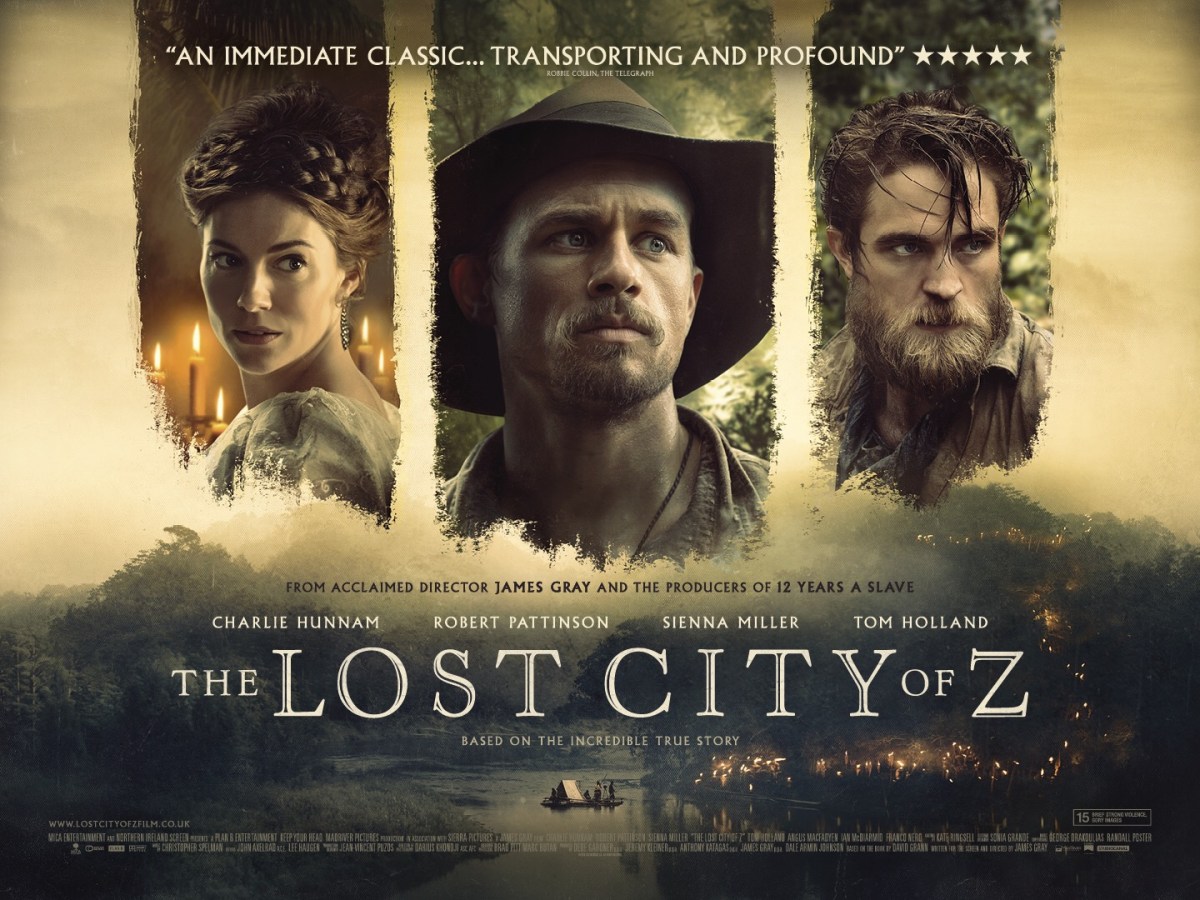
Film review – The Lost City of Z (James Gray, 2017)

James Gray’s latest film has been described by various parts of the media as an instant classic, with continual praise being steeped upon it from all angles. “Sublime”, “the revelation of the year”,  “a rare piece of contemporary classical cinema.” All phrases used to describe “Z”.

The only thing I can relate to less than these words is the film itself, which I found to be a veritable snoozefest.

The true story revolves around British explorer Percy Fawcett (Charlie Hunnam). Pawcett was a member of the British army who, at the request of the British Royal Geographical Society (headed up by Ian McDiarmid), goes on a mapping expedition to the border between Bolivia and Brazil just after the turn of the 20th Century and finds a hitherto unknown tribe. The film tells of his initial and return trips there, along with his relationships with his peers, his expedition team (including an unrecognisable Robert Pattinson), his wife (Sienna Miller) and his children (one of which is eventually portrayed by Tom Holland).

Team Beardward!


Ironically, “Z” doesn’t tread brand new cinematic ground. It has the feel of a film that was made many decades ago. This isn’t necessarily a good thing. For when The Artist paid tribute to film’s silent era, or when La La Land paid tribute to the great MGM musicals, we remembered great experiences we’d had enjoying films throughout the ages.

I know “Z” feels like an old film, but I don’t think that old film is any good.

Sadly, with so much time to think about the film between the interesting parts, it becomes easy to over-analyse, a subconscious decision my brain made to keep itself entertained. The heart of the issue may well be Hunman himself, or the character he is portraying. 

It can’t be his fault – we already know he’s a good actor. So the blame should lie with either the director or the writer. Unfortunately for James Gray, he is both.

Too often we skipped over interesting parts of his life. The Great War is skipped over and we get a snapshot in the form of him leading a troop into battle in the Somme. It’s actually one of the highlights of the film, portrayed without any Hollywood bravado, but we are left to guess about critical developments in his personality, the strain left on his family, and the strengthened relationship with his companions Henry Coston (Pattinson) and Arthur Manley (Edward Ashley).

This companionship is sadly dropped before the third act gets going, which is a shame as it’s the part of the film that really held my interest.

The strange result is that we end up with an over-long story that feels lethargic, which covers a man’s desire to further his family name and his military career, his strained relationship with his wife and children, his growing relationship with his expedition companions and a small amount of professional rivalry with a fellow explorer. 

We get both too much and too little, which is a great shame. 

There’s enough to keep the interest, but somehow it doesn’t feel right.

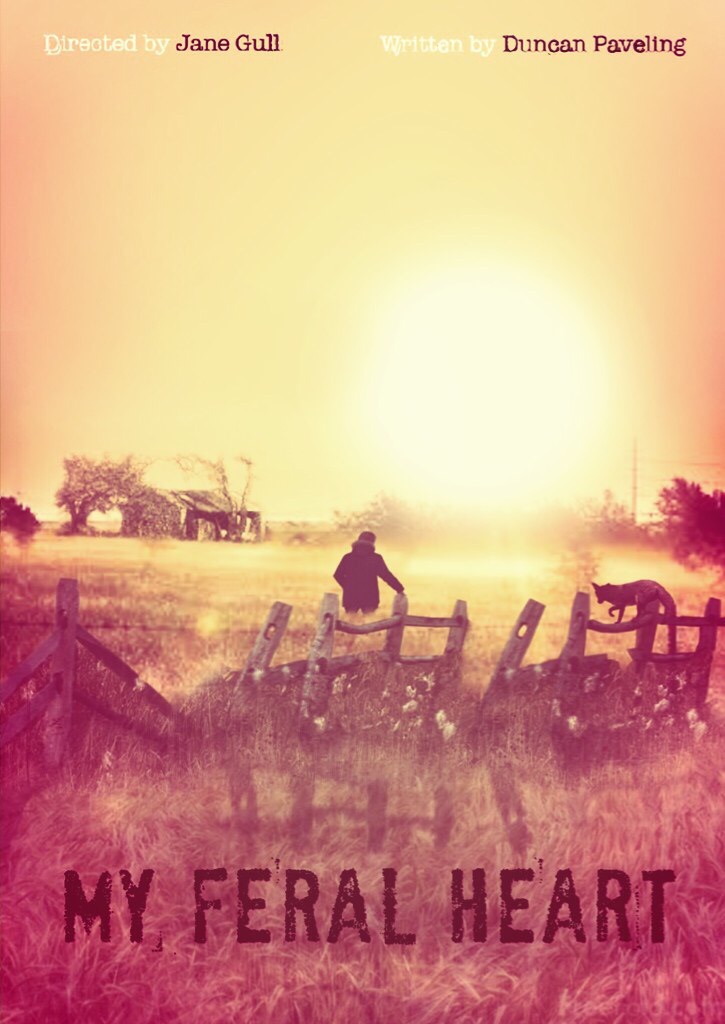
Film review – My Feral Heart (Jane Gull, 2016)

Last night 36 cinemas in the U.K. played host to screenings of My Feral Heart as part of World Down Syndrome Day. The many 100s in attendance were treated to a moving portrayal of coping with loss and the difficulties of abrupt changes in circumstances that people with Down syndrome are sometimes forced to cope with.

Star Steven Brandon plays Luke, a young man with Down syndrome who is coming to terms with the death of his mother. Moved to a nearby care home, he must forge new relationships with the carer at the home Eve (Shana Swash) and a man working nearby on community service called Pete (Will Rastal). After leaving the home to explore the surrounding areas he is comes across a girl in need of help, a task that brings Luke new purpose.

The performance by the lead actor Brandon is extremely moving. This is a complex role that he clearly gave a lot of emotion to. He is a heartbroken son living alongside people he doesn’t feel any connection towards and also feeling robbed of his independence. 

There’s a clear comradery between the three lead characters and it’s in these scenes you feel the charm of the humour. It feels natural when Pete laughs at Luke for thinking babies “come from China”, before a big infectious smile appears on Luke’s face. Without this chemistry the film could have fallen down, but praise must also go to director Jane Gull for cultivating and capturing this on film.

The performances are complimented by a wonderfully-orchestrated soundtrack by Barrington Pheloung, who has been crafting high quality film and television scores for almost thirty years.

The ultimate ideal is that people will view this film and change their underlying feelings about Down syndrome, either through the effect of the story or due to the brilliant performance from Brandon. The rhetoric surrounding World Down Syndrome Day is that those living with the condition don’t have special needs, but human needs. They don’t have to be treated completely differently to anyone else. Though the message is precisely this in My Feral Heart, the film itself serves as evidence enough of a great acting achievement by a bright young actor with Down syndrome.

It is heartwarming and completely moving, and it’s something that really deserves to be seen.

Film review – Manchester By The Sea (Kenneth Lonergan, 2017)

Manchester By The Sea is by no stretch of the imagination a happy film. That it was advertised in some channels as a comedy is beyond me. It’s a bleak look into one man’s struggles with his past during a particularly depressing period of his life, and I’m not sure that there was a particularly happy ending to it either. But it is absolutely deserving of its plaudits, and the results are both effecting and memorable.

WARNING! The next paragraph spoils the first twenty minutes or so of the plot, but only really covers what is in the trailer. If you don’t want to have anything ruined then just stop reading and simply watch a film that deserves your time.

The story, in a nutshell, is about Lee Chandler (Casey Affleck), a single man in a dead-end handyman job with no semblance of positivity for his or anyone else’s life. His brother Joe (Kyle Chandler) dies young due to a heart condition, forcing him to return home to Manchester, Massachusetts to sort out the funeral arrangements and look after his son Patrick (Lucas Hedges). However, he soon finds out that he has been named the sole legal guardian for Patrick, forcing him to take on unwanted responsibilities and confront his past relationship with former wife Randi (Michelle Williams).

Affleck’s performance is well-balanced and measured. It’s a role that doesn’t call for any big movements, and the beauty of it is in the understated reactions to the huge changes going on in his life. He is almost dead to life itself, so his reaction to his brother’s death or his new found responsibilities are equally lacking in emotion. A worse actor would have ruined the film, yet he brings the whole story to life. Kenneth Lonergan has a lot to thank him for.

The music is brilliantly effective. Lesley Barr has worked wonders with her fantastic score, her first in five years since 2011’s The Moth Diaries. There’s a great interview with her over at The Muse, in an article by Bobby Finger, which is well worth reading. It’s a shame it was deemed ineligible available for an Academy Award nomination.

There has been a bubble of negativity towards Casey Affleck that surrounds his personal life. He has been accused of physical abuse against two women working alongside him on the film I’m Still Here – Cinematographer Magdalena Gorka and producer Amanda White. Affleck denied any wrongdoing but settled both claims out of court in 2010. 

Many sections of the press clearly think there’s a lot of truth in the stories. There seems to be a media-led unspoken rule about how much time people in the film industry must live in penance until the world forgives them again. Mel Gibson has seemingly served his time now following his controversies with his ex, Russian pianist Oksana Grigorieva, but it seems we are all permitted to enjoy Hacksaw Ridge, even though The Beaver was a brilliantly-bizarre turn that came at the wrong time of his career and has been largely ignored as a result.

Should we rise above the noise and embrace Casey Affleck? Well, the Academy certainly thinks so, as do the Golden Globes and BAFTA, all three of whom awarded him a Best Actor prize.

In isolation, there is no doubt that Affleck has brought to life a wonderful story and put in one of the best turns of his career. If you can live with and forget about the settled accusations, you’ll be rewarded.

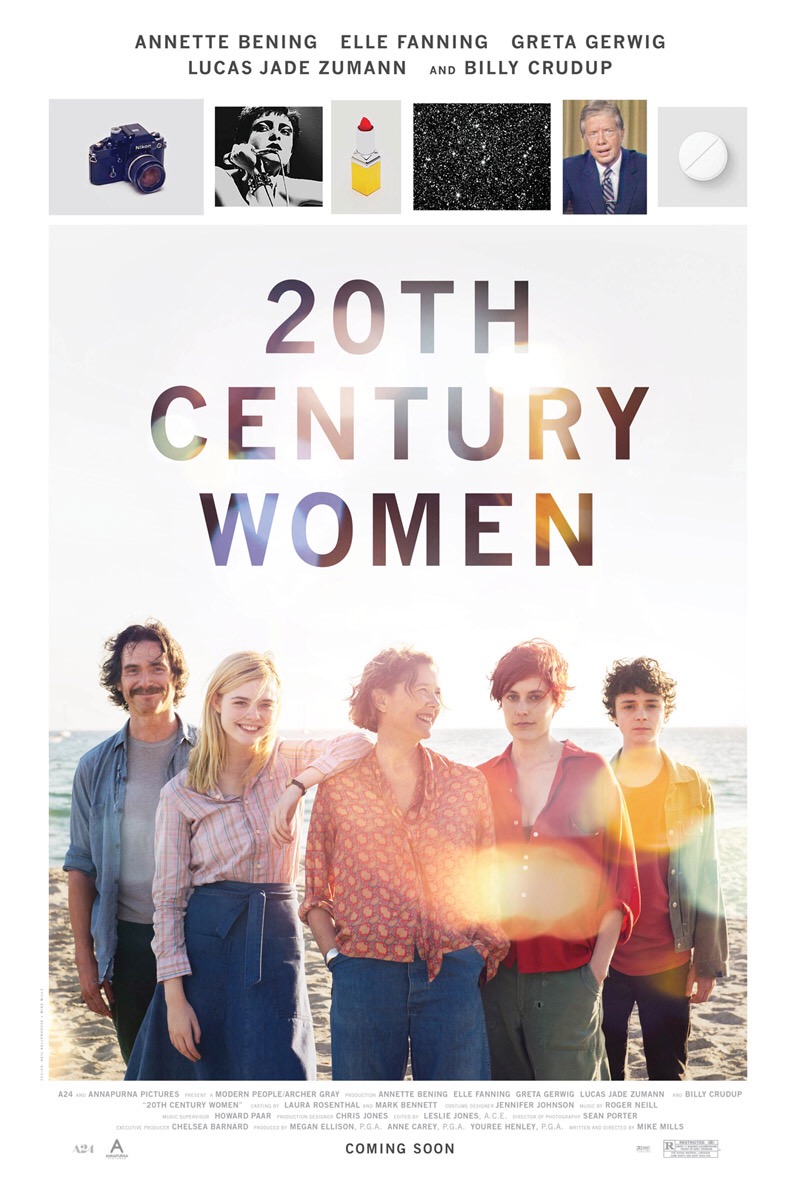
Film review – 20th Century Women (Mike Mills, 2017)

To mark 2017’s International Women’s Day, I dropped into the cinema to catch 20th Century Women, a film with three powerful and independent women at the heart of its plot. A triple Bechdel Test passer, the film indeed avoids the usual cinematic tropes and instead explores how men are often defined by the women around them.

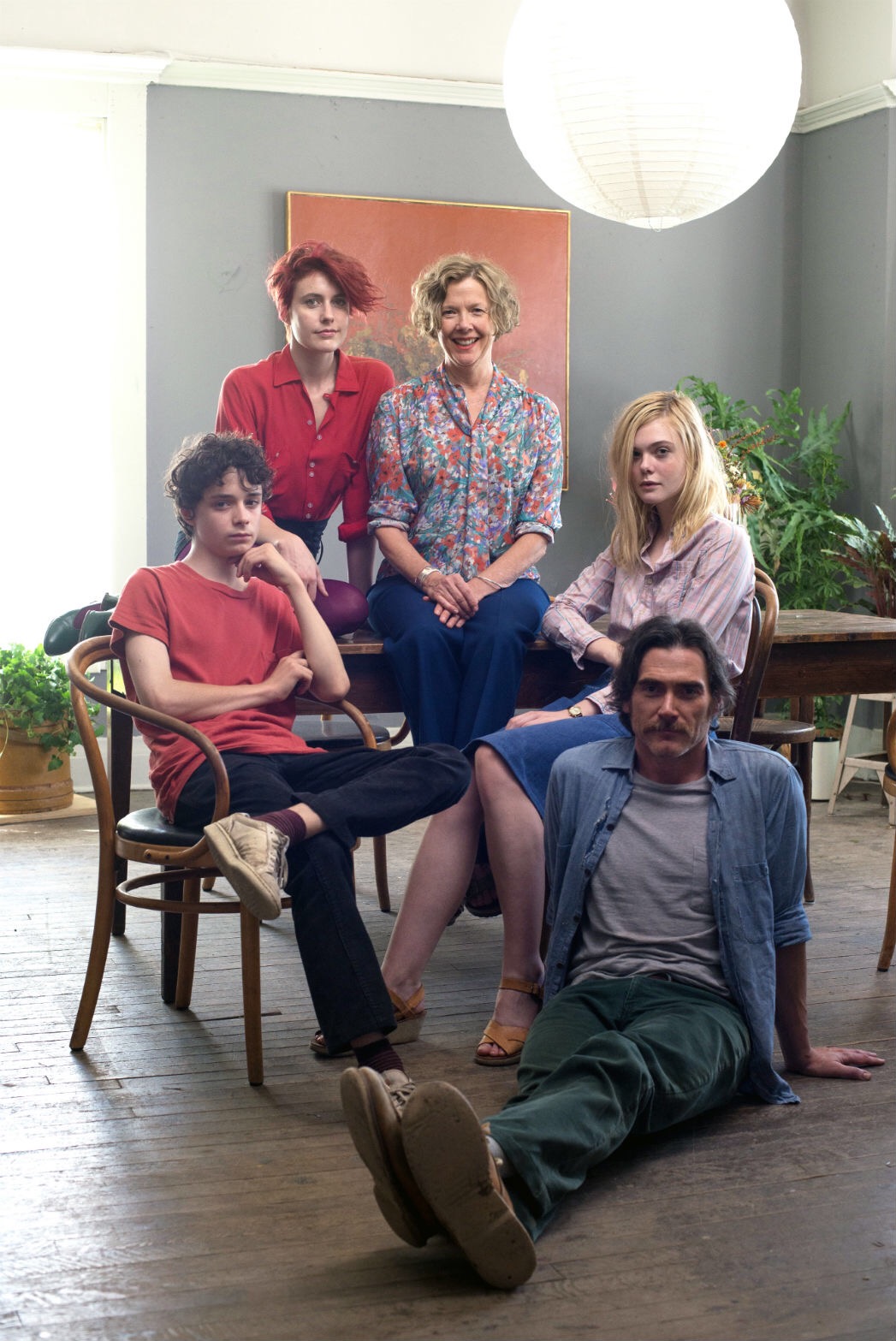
In 1979 in Santa Barbara, California, Jamie (Lucas Jade Zumman) is a 15-year-old boy who is lacking a father figure in his life. His mother Dorothea (Annette Bening) has been long-single, but lives in a luxuriously huge house that she has converted into a sort of commune, in which lives a young female photographer Abbie (Greta Gerwig) and an emotionally-detached carpenter and handyman William (Billy Crudup) who is renovating the house for her. Julie (Elle Fanning) is a girl with whom Jamie is unrequitedly besotted; she wishes for him to remain as a friend only whilst she has a series of never-seen male sexual partners.

Mike Mills has cultivated an intelligent film from his own original script, describing it as a love letter to the women who raised him.

It’s the sort of quirky and intimate story that can only be crafted from ones own experiences, with two fingers up to the notion that boys need fathers and girls need mothers in order to be raised properly. Interestingly, whilst there are innumberable films that explore fathers being thrust into the role of both mother and father figures to both boys and girls, the concept of a group of women creating a support network for growth of a teenage boy feels wholly fresh and quite important.

The standout performance in a solid cast comes from Greta Gerwig, who I have seen in several films previously and never been excessively impressed with. This time, she is absolutely mesmerising as a young woman who is recovering from cervical cancer. We learn that the cancer was probably linked to her mother’s Diethylstilbestrol (DES) drug treatment during her pregnancy. She has been effectively disowned by her guilt-stricken mother, unable to cope with the fact she feels responsible for causing her daughter’s cancer. As a role, this is no light task, and Gerwig is at times totally breathtaking in her performance.

It is strange that the boy whose life the story revolves around eventually turns out to be a supporting character to the three leads. It is a lovingly-created film that is as relatable to mothers as it is to sisters of brothers and as it is to sons. With characters this believable and brilliant performances across the board, this is a film well worth seeing.

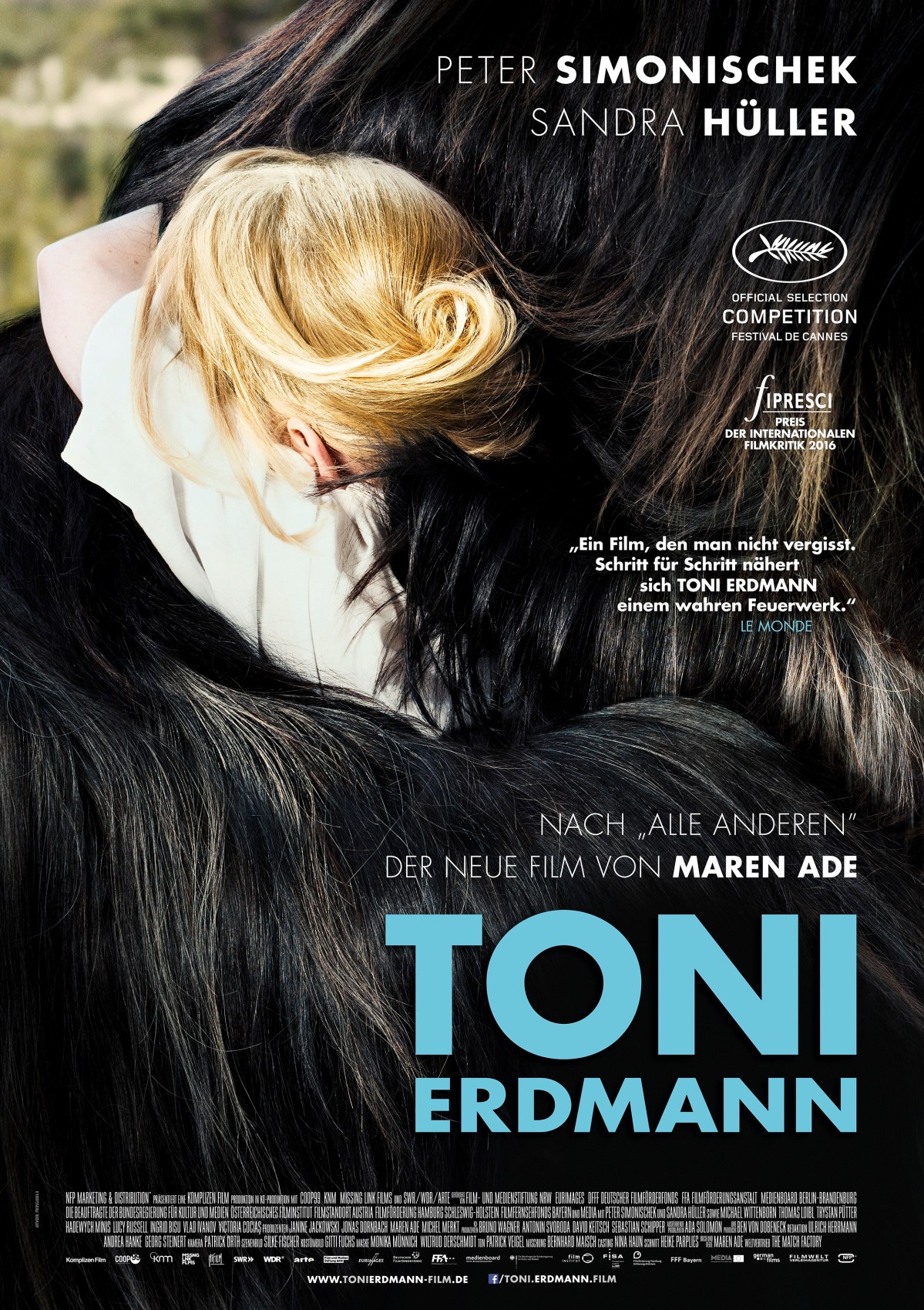
Film review – Toni Erdmann (Maren Ade, 2017)

If you’ve seen Toni Erdmann, you may be forgiven for leaving the cinema mightily confused. Not because the film was overly complicated, but perhaps because you’d watched a film drastically wide of what you’d been expecting. Marketed primarily as a German-Austrian slapstick comedy (schpalschtick? I’m coining it now), what audience have instead been challenged to watch is an affecting tragic drama that deals with a man’s disjointed relationship with his career-focussed daughter and tries to cultivate some kind of relationship amidst the complicated web of activity she has built around herself.

Toni Erdmann is the alter ego name of Winfried Conradi (played by Peter Simonischek), the father of Ines Conradi (Sandra Hüller). She is working as a business consultant in Bucharest, but returns to her hometown following the death of the family dog. When Winfried realises she is unduly stressed and taking a fake phone call in the back garden, he decides to follow her back to Bucharest and spy on her to find out more about her life.


One of the main polarising aspects of the film is the relationship between the father and daughter. Depending on how you interpret it, you might see him as a terrible father who is undermining his daughter’s progress in her career. She is trying her hardest to be taken seriously in her role in the midst of some terrible sexism in her workplace, but he is treating her whole life as a joke and she is right to distance herself due to the feeling of resentment over his actions. One cringe-worthy encounter involves an important business meeting with an important contact Henneberg (Michael Wittenborn) at an evening drinks social, whereby she makes a serious suggestion on a business level, but instead is asked by the man to take his wife shopping, whilst Ines’s father – as the ridiculous titular Toni – is invited for more drinks. A frustrating scene that portrays the subtleties of sexism at their absolute worst.

However, if you side with the father and assume that he is a totally devoted father – or at least one regretting not being devoted in the past – then you can read it that he has seen his daughter struggling, depressed and stressed, and wants to help her realise that there is more to life than being stressed at work. When he sees his daughter being pushed around by her workmates and not being treated equally, then he realises he needs to step in and show her what she can’t see – that she’s wasting her time.


After contemplating the film for over a week, I’m still not entirely sure where I sit on this, though I’m leaning towards the latter.

There are moments of real comedy in the film, but they are often laced with tragedy serving to undercut any notion that this is a comedy. There is a memorable scene when she organises a birthday brunch, which is only organised because it offers an opportunity for work colleagues to socialise. However, when she gets stuck in her dress whilst getting ready, she decides to simply take the dress off and answer the door with no clothes on. Initially humorous, the ripples of laughter disintegrated as the audience in my screening realised that we were witnessing a woman having a breakdown.

It’s a truly intelligent film that refuses to provide any definitive interpretations on the situation, instead allowing the viewers to make up their own mind. Thought-provoking and well-executed – exactly what a film should be.

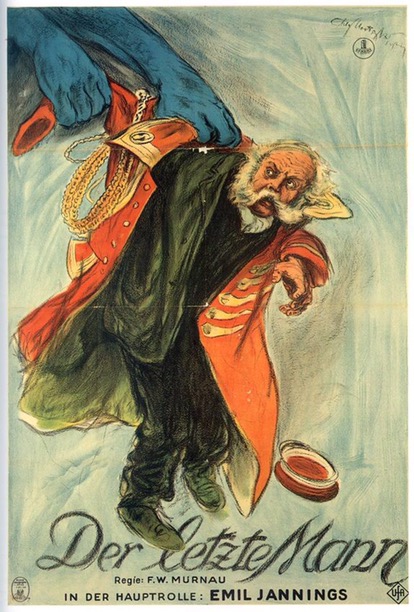
Der Letzte Mann / The Last Laugh (F. W. Murnau, 1924)

Alfred Hitchcock once described Murnau’s The Last Laugh as an “almost perfect film”. Watching it now it’s hard to disagree with him.

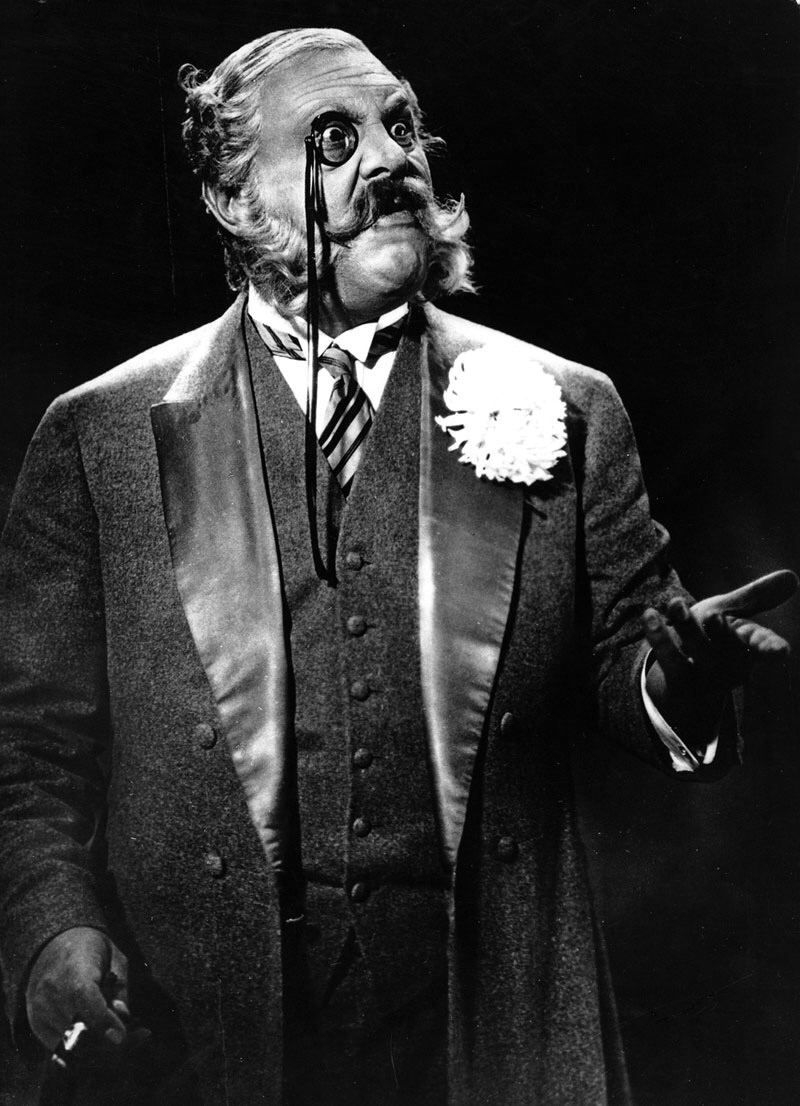
The film stars Emil Jannings as a nameless aging doorman at a well-respected hotel in Germany. The manager of the hotel notices him and decides he is too old to perform his job properly and is reflecting poorly on the hotel. He decides to demote him to the position of attendant in the washroom. Feeling demeaned and now without his uniform, the man slips into depression. 

It’s an astonishing and gripping performance from Jannings, and one that is rightly celebrated even ninety years on. The ability to fully engross the audience is formidable, with many long periods of the film simply focused on his facial expressions. It’s a one-man-show, and a film played out with just one intertitle. The basics of the plot can be explained briefly (see the second paragraph), but the meat of the story that makes it so special is acted out entirely facially through his animated grief.

Fortunately, the Masters of Cinema release includes the original 1924 Giuseppe Becce score, orchestrated and performed by Detlev Glanert. This single option takes out the uncertainty that often surrounds these classic films rereleased and the score is a perfect match for the visuals.

The epilogue following the only intertitle seems a little fanciful and at odds with the rest of the film. The intertitle even offers a disclaimer for it, almost apologising for not following through on the overly-realistic story it had played out in the previous sixty minutes. It provides a happy ending to the audience but feels a little like a studio executive has forced the ending on Murnau.

At the heart of it, it is a film that challenges the viewer to think about how we allow people to lose their confidence and treat older people with less respect than they deserve. It was, at the time, an unusual film with an extraordinary plot. Its success gave confidence to other directors to believe that a film could be whatever they wanted it to be. In that sense, it is one of the most important films of the silent era and one you should seek out as soon as you can.

[1] Bade, James, N. Murnau’s ‘The Last Laugh’ and Hitchcocks subjective camera. Quarterly Review of Film and Video. Volume 23 (2006).

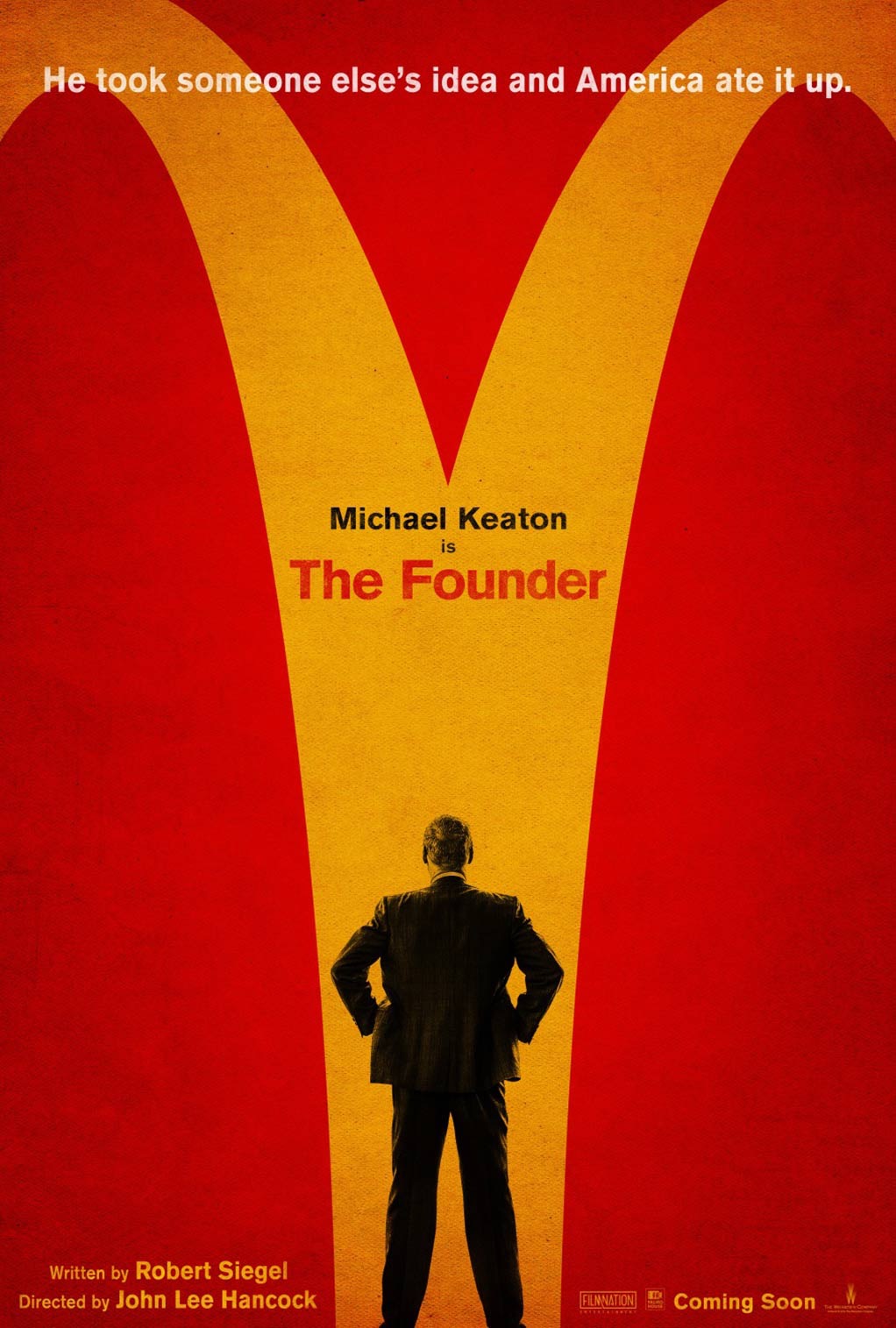
Film review – The Founder (John Lee Hancock, 2017)

John Lee Hancock is busily carving out a name for himself as the creator of sanitised versions of the most successful business men in the history of humanity, treading perhaps where no director would dare through a labyrinth of red tape.

In 2013 it was Saving Mr Banks, Hancock’s portrayal of an important segment of Walt Disney’s life as he helped convince P.L. Travers to release the rights to Mary Poppins and shaped the now-classic motion picture. This time around he’s tackling the origins of one of the biggest global brands of the modern world: McDonald’s.

McDonald’s hasn’t had a successful time thus far being portrayed on screen. Outside the overbearing product placement that everybody hates (even though they often pay for significant portions of films), if you ask anyone whether or not they’ve seen a film about McDonald’s, they will more than likely start talking about one of two films: McLibel or Super Size Me. Both are excellent as films and even better in showing the company in an extremely negative light.

Or you may remember this film…


The Founder isn’t quite as negative towards the iconic brand as the recent memorable efforts, going a long way to provide a balanced view of the origins of the story. It may be sanitised but it is at least reasonably based on facts (to our best knowledge).

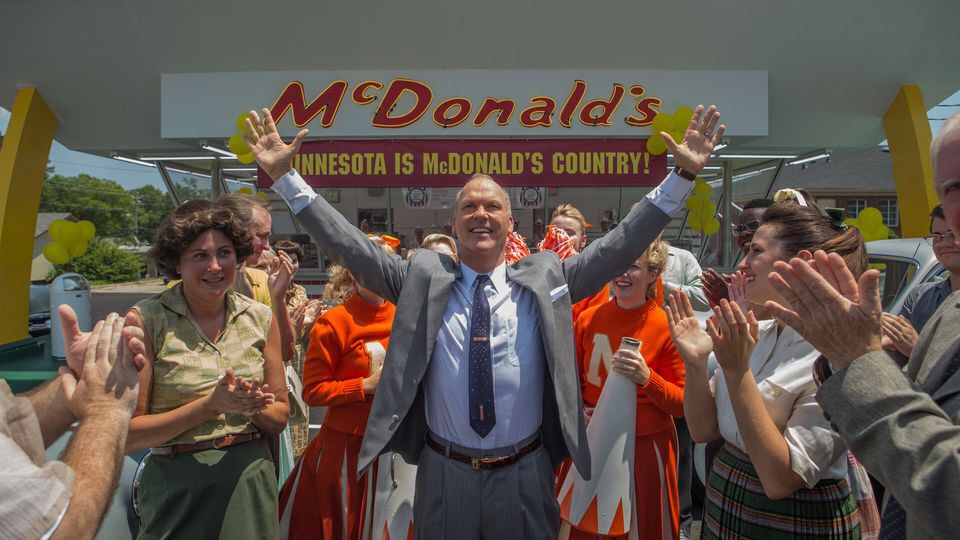
Michael Keaton plays Ray Croc, a driven but unsuccessful salesman who happens upon the first McDonald’s restaurant whilst trying to sell milkshake making machines. This restaurant is owned by Richard and Maurice McDonald (Nick Offerman and John Carroll Lynch) and they soon go into partnership to franchise the company and start growing it across the rest of USA.

The biopic serves two purposes for the company. Firstly, it portrays the McDonald brothers’ story as being as wholesome and family-friendly as any of the McDonald’s adverts that are create today. This was a family company that didn’t want to be taken over by the global powers, resisting all the way and almost unbelievably against making any profit. Looking at it cynically, it serves as an advert that champions the company’s family values.

Secondly, it portrays the man who turned it into a global power as self-driven, full of business acumen but at his most basic a self-centred, cold and heartless money grabber. We aren’t supposed to like him, though I can’t help but think that the characterisation will be a template for those wishing to succeed in business. I hope not – it would be a poorly-chosen idol.

The overall result is that we don’t feel encouraged to like our central character and it feels like the side of a story that aligns with the global branding message rather than one we can truly enjoy. 

The problem is that Keaton is far too charismatic to not be liked and the Lynch/Offerman duo are sabotaging the success of the company at every turn. This makes the emotional journey slightly skewed as we try to take sides and don’t really know where to land.

Some will champion its subtlety but I don’t see it like that. I see it as a great actor shining through an advertising campaign disguised as a film.

Given the state of the political landscape right now, I don’t think it’s the film the world needs.

Film review – Varieté (Ewald André Dupont, 1925)

Recently remastered and re-released by Eureka on their Masters of Cinema label, Ewald André Dupont’s Varieté is a wonderful film that’s well-deserving of a bit more attention, even 90 years after its original release.

It follows Boss Huller (Emil Jannings), the owner of a touring circus and former trapeze artist. Now retired with his wife (Maly Delschaft) and trapeze partner, their relationship is functional but stagnant. However, when  a mysterious woman called Berta-Marie (Lya De Putti) appears and joins his entourage, he becomes besotted with her and this marks the end of his marriage. Shortly after this a celebrated younger male trapeze artist named Artinelli (Warwick Ward) joins to turn their duo into a trio. Frictions rise between the two men as they begin to vie for the interest of Berta whilst remaining professional on stage.

Brit Ward and love rival German Jannings

Modern cinema fans may know lead actor Jannings, though they may not realise it. He was portrayed in Quentin Tarantino’s Inglourious Basterds (2007) by Hilmer Eichhorn in the tensely played-out film premier scene. During the Second World War, Liebich was an outspoken supporter of the Nazi party and was taking lead roles in many of the biggest Weimar-era films. By the end of the war, with the Nazi party defeated, he was left unable to work in the restructured Germany keen to forget the pervious decade, eventually retiring to a farm in Austria before dying at the start of the 1950s.

Before this, however, he was a much-celebrated film star, both in Germany and America. He was the first actor to receive the Oscar for Best Actor (for roles in two films: The Last Command and The Way of All Flesh), which happens to also be the first ever Oscar statue given out at the first ceremony, putting Jannings in a unique part of film history. Perhaps his greatest performance came in Die Letzte Mann, released a year before Varieté. He would surely have won more Best Actor Oscars if only the Academy Awards had started ten years previously.

The way the film plays out may leave viewers feeling somewhat bemused about how we are supposed to feel for the lead actor. Firstly, he leaves his wife at the drop of a hat for a woman he knows almost nothing about other than that she has arrived on a seemingly cursed ship. Then, when his new lover essentially does the same back to him, he plots a jealousy-fuelled revenge, murdering both her and her lover. It seems too that the judge in charge of hearing his plight forgives him and allows him to leave prison. It doesn’t leave much room for any kind of compassion for the character. Indeed, when it was released in America the entire introduction was cut from the release, leaving a much more moral character for the viewers [1].

You may also need to suspend your belief that Jannings could possibly pull off the stunts involved. Whilst they are beautifully and innovatively shot, I couldn’t help but feel like Jannings – 40 at the time of the shoot – was a tad too portly to follow the trajectories required of a trapeze artist. Inevitably an unconvincing stunt double was used, but it’s only a minor blemish on a series of quite fascinating scenes.

Whilst the restoration is absolutely perfect, a note should be made about the variety of soundtrack options available. The unusual default option is supplied by The Tiger Lillies. I attempted to watch this version but changed it after about ten minutes. It didn’t seem to fit very well at all – much more modern than it should have been and not really matching the tone of what was happening on the screen. Much better is the Johannes Contag version, listed as third on the main menu. There’s also the aforementioned complete American version, though I didn’t venture this far.

This is well worth investing in for fans of German silent cinema, and it’s great to see it being given so much attention so long after its initial release. 

[1] http://www.silentsaregolden.com/debartoloreviews/rdbvariete.html

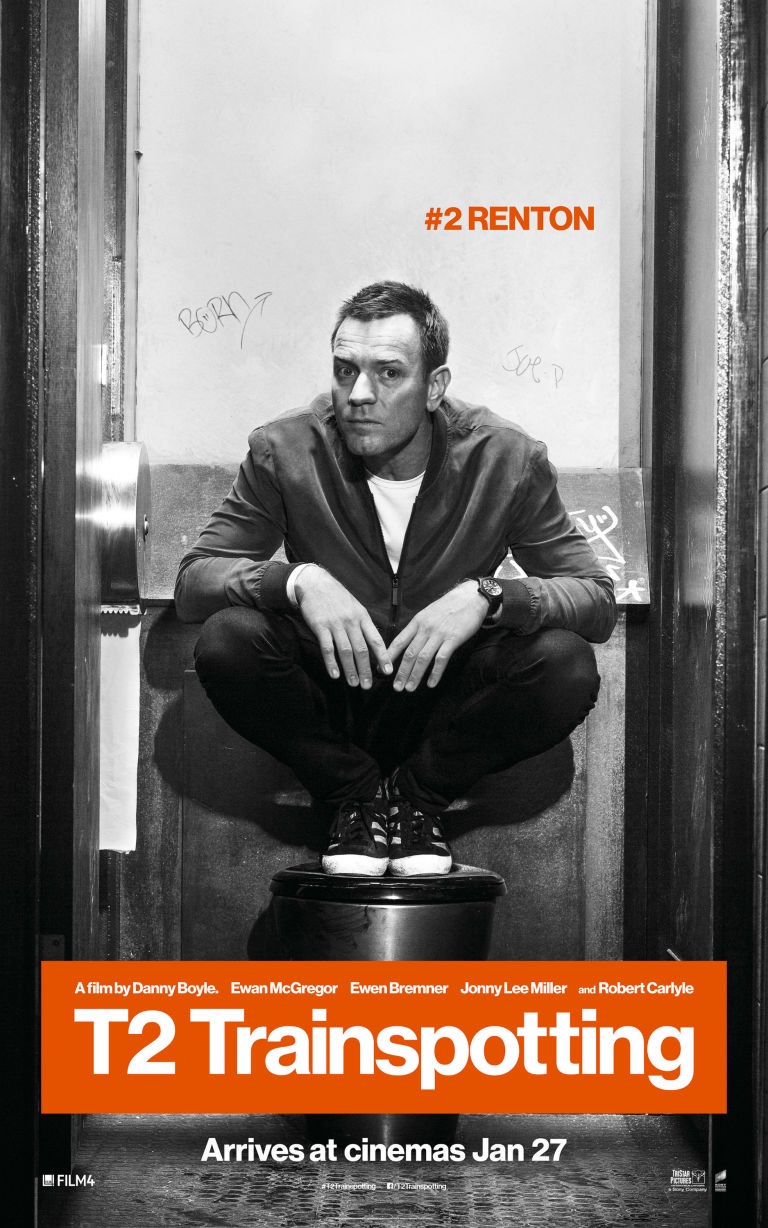
Film review – T2: Trainspotting (Danny Boyle, 2017)

Trainspotting was one of the quintessential moments of British film in the 1990s, helping to define a generation and giving them a voice on the silver screen. It catapulted director Danny Boyle and his cast to international fame, with lead Ewan McGregor reaping the lion’s share of the benefits as it launched his path to stardom.

I was probably just slightly too young to enjoy the original on its initial release, catching it on VHS in around 1999 at the age of 15. But the effects were still strong amongst people my age – the music soundtracked our lives as much as the likes of Morning Glory and Parklife did. The imagery in the advertising campaign was arresting and inescapable. Finally watching the film I was blown away that something so popular was set in a Britain far more familiar than every other British film that seemed readily available at the time, all of which seemed to star Hugh Grant. 

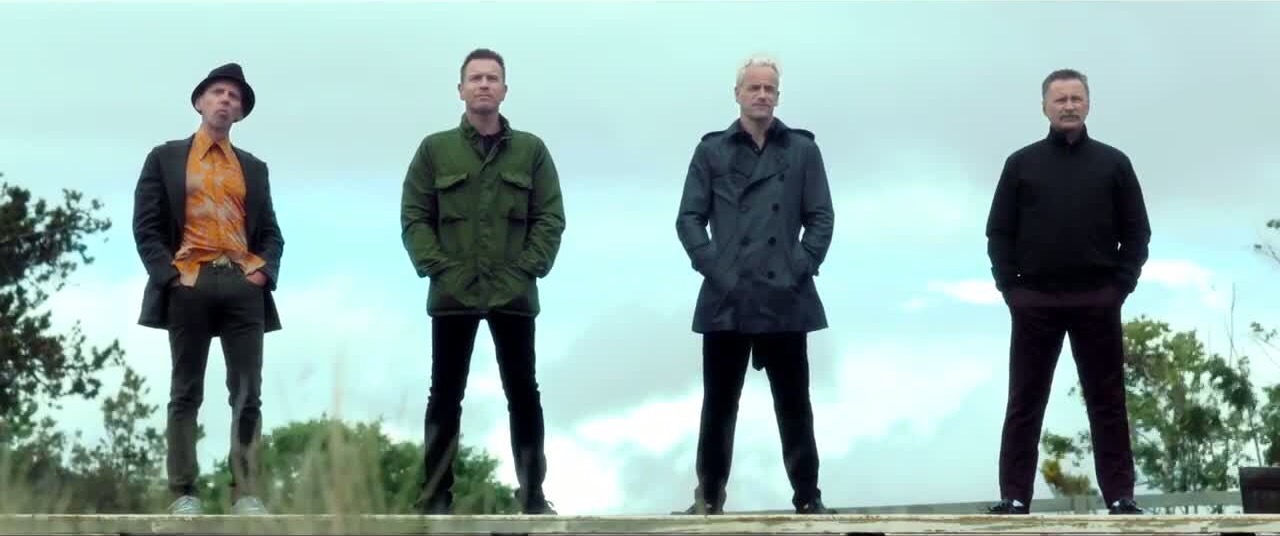
The boys are back in town

When the sequel was announced, there was a certain amount of trepidation from fans of the original. It seemed unlikely that the success of the original could ever be matched. It wouldn’t have the same effect on society. The soundtrack surely wouldn’t be as good. Plus there’s the twenty years of nostalgia to contend with. So how does it stand up?The answer is, thankfully, very well indeed.

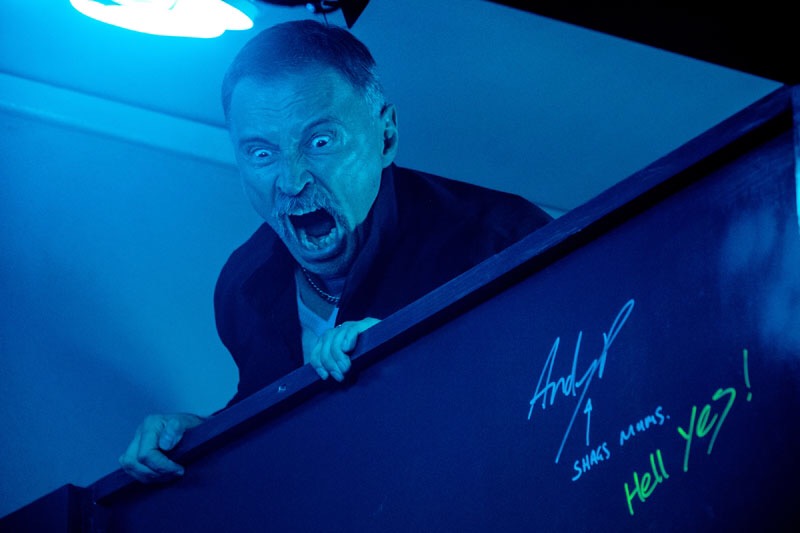
The plot centres around Renton (McGregor) returning to Edinburgh for the first time in twenty years, catching up with his old friends Spud (Ewen Bremner), Rent Boy (Johnny Lee Miller) and Begbie (Robert Carlysle). Time has passed and this has inevitably changed the four men, but it has also drastically changed the world around them too. It also hasn’t been long enough for two of the group to forgive Renton for what happened at the end of the first film.

Reimagining their friendship so far down the line when there hasn’t really been a particular push recently for a sequel to be made proves that this film has been made for all the right reasons. Danny Boyle and his team knew there was a story to be told here and it is told brilliantly.

As in the original, music plays a crucial role. There are reimaginings of three of the biggest hits associated with the original: Lust for Life, Born Slippy and Perfect Day. Elsewhere, more modern artists offer more up-to-date contributions from the likes of Young Fathers and Wolf Alice.

It won’t have the same cultural impact as the original, and few films have. It is, however, extremely relevant for those who lived through the first instalment, having an uncanny ability to reflect what has happened to almost everyone in society in the past two decades.

It is undoubtedly one of the best cinematic sequels we’ll see this decade.