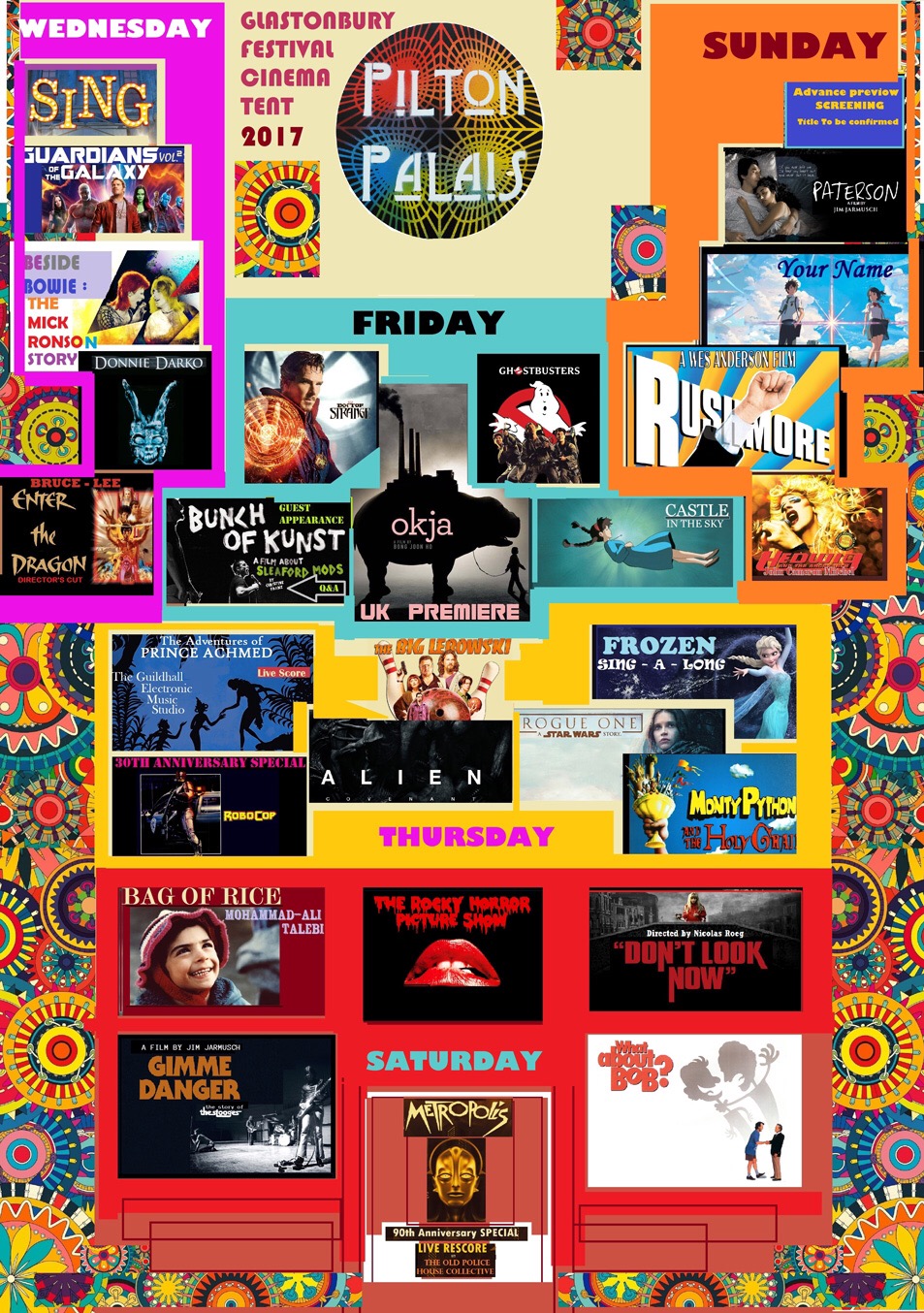
Glastonbury has announced its line-up for the Pilton Palais Cinema at this year’s festival. The list is below or you can follow the link here for more info.
The area is always a highlight of every year at Glastonbury and is well worth checking out for a brief time, even if you only catch one film!
The whole thing is being curated by Tilda Swinton, returning for her second consecutive year. Her film Okja is lighting up Cannes right now and will no doubt be an interesting prospect for those in attendance.
My highlights are the two silent films: Metropolis and The Adventures of Prince Achmed. I’ve seen Metropolis several times on the big screen previously, but never with a live musical accompaniment. If you’ve never seen a silent film done this way then either of these are a must, though their favourable time slots will no doubt mean they will be popular choices.
Here are the full listings, in no particular order.
Wednesday
Sing
Guardians of the Galaxy Vol. 2
Beside Bowie: The Mick Ronson Story
Donnie Darko
Enter the Dragon
Thursday
The Adventures of Prince Achmed (with live score by The Guildhall Electronic Music Studio)
Robocop
Alien
Rogue One: A Star Wars Story
Frozen Sing-a-long
Monty Python and the Holy Grail
The Big Lebowski
Friday
Doctor Strange
Bunch of Kunst: A Film About Sleaford Mods (featuring guest appearance by the band)
Okja (UK Premiere)
Ghostbusters (1984)
Lupita: Castle in the Sky
Saturday
Metropolis (with live score by The Old Police House Collective)
The Rocky Horror Picture Show
Don’t Look Now
What About Bob
Bag of Rice
Gimme Danger
Sunday
Advanced Screening (TBC)
Paterson
Your Name
Rushmore
Hedwig
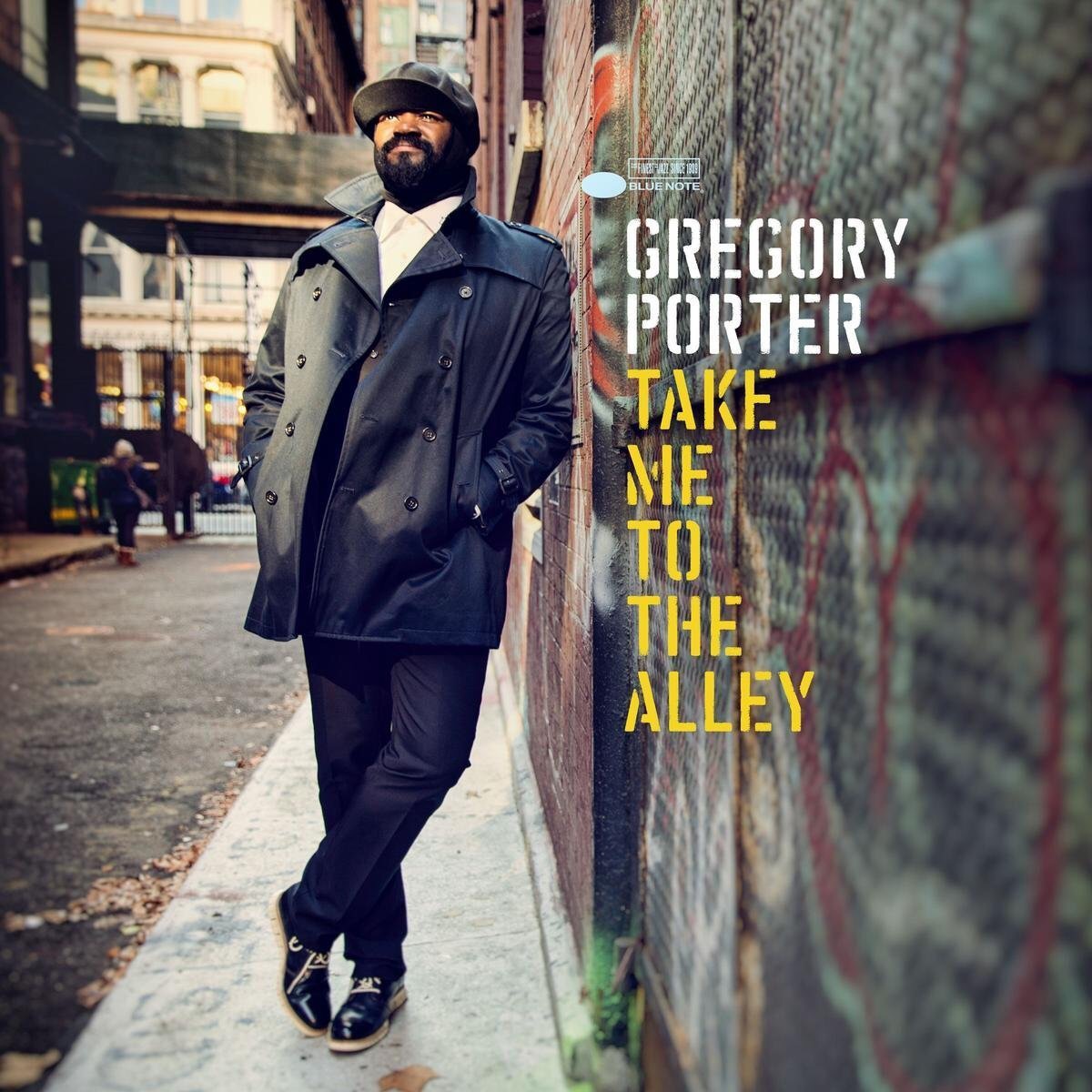
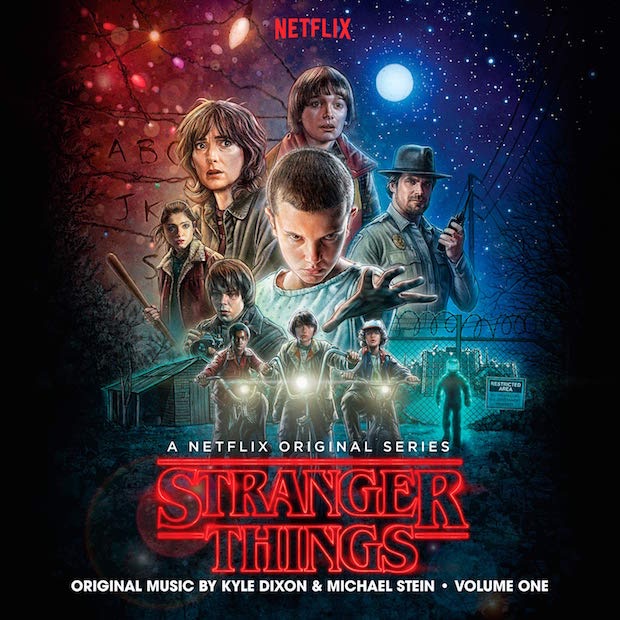
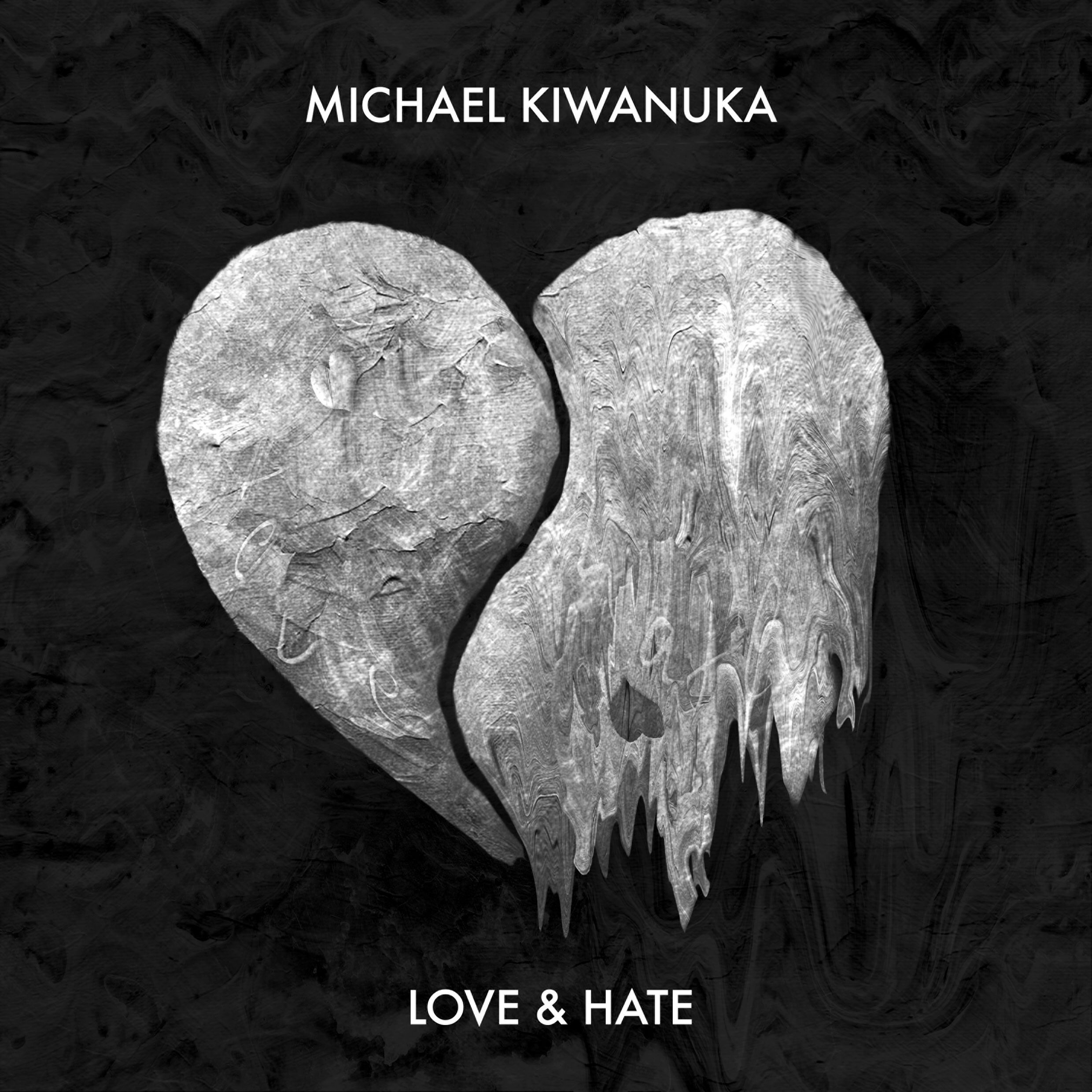
Here’s a quick list of my favourite albums of 2016. In no particular order, although I suspect Gregory Porter edges it in terms of listens for the year, closely followed by Mr Bowie.
David Bowie – Blackstar
Gregory Porter – Take Me To The Alley
Radiohead – A Moon Shaped Pool
Travis – Everything at Once
Kyle Dixon and Michael Stein – Stranger Things Vol. 1
Michael Kiwanuka – Love and Hate
Takatsugu Muramatsu – When Marnie Was There Soundtrack Music Collection
The Beatles remain one of the most celebrated and influential bands of all time, with one of the most prolific outputs the music world has ever seen. This didn’t slow down in the immediate aftermath of the break-up of the band in 1969, with the final studio album and accompanying film Let It Be not seeing the light of day until May 1970. Fans of the Fab Four were also able to enjoy their stars individually as they released a flurry of solo material they had perhaps been saving up for release in the knowledge their days in the band were over.
There were a few experimental items that make the second half of The White Album feel positively mainstream (see John Lennon’s Unfinished Music Vol. 1 and 2, George Harrison’s Wonderwall Music and Paul McCartney’s The Family Way soundtrack, amongst others), but their first forays into mainstream music didn’t take too long to surface.
What if they’d not fallen out for another year and managed to squeeze out a final album? What songs that made it onto these first solo efforts would have sounded great alongside each other?
I’ve tried to create a balanced tracklisting that ruthlessly selects twelve songs from their creative output of 1970 and early 1971 and gives priority to McCartney, who was writing most of the material by the end. Abbey Road was essentially all of them working apart from each other, so the tracklisting below isn’t far off what could have been.
The result is The Beatles at their most conflicting and hateful best, the rift between Paul and the other members plain to see. However, if they’d managed to squeeze this out and gone through the cathartic experience of working on the songs together, we might have seen a whole different ending to the story.
SIDE A
1. Maybe I’m Amazed (Paul McCCartney, 1970)
A standout track from McCartney’s debut album and perhaps one of the finest love songs ever written, it is nonetheless underrated due to the fact the studio version was never issued as a single.
2. My Sweet Lord (George Harrison, 1970)
This is a bit of a no brainer. It’s the highlight of George’s first album proper and it’s hard to think of a better way to follow the opening track. Despite the obvious religious connotations, I doubt John and Paul would have been able to resist the temptation to include such a high-quality song on the next Beatles album. Indeed, Ringo Starr and John Lennon both reportedly appeared on the international smash single.
3. Cold Turkey (John Lennon, 1969)
This is a song that John presented to the band in 1969 for inclusion on Abbey Road, but it was ultimately decided that it didn’t fit and put out as a solo single. If they were still together and John wasn’t thinking about a solo album, then this would have been a prime candidate for inclusion. To increase the connection to The Beatles, Lennon’s version features Ringo Starr on drums.
4. Instant Karma! (We All Shine On) (John Lennon, 1970)
A song as anthemic as this would be a clear candidate for inclusion. Indeed, the version Lennon released in 1970 – prior to the release of the final Beatles album Let It Be – featured George Harrison on electric guitar and Phil Spector on production duties, so if it had been part of a Beatles release it’s unlikely it would have sounded much different.
The John Lennon double-header of Dig A Pony and Across The Universe had served Let It Be well and the same thinking works here for a riotious kick-start to the album.
5. Every Night (Paul McCartney, 1970)
This song was included on McCartney’s debut album but had been thrown around during the final Beatles recording sessions. It’s the first hint on this album that we hear McCartney’s anger seeping into his lyrics. It would have undoubtedly sounded a lot different had all four been working on it.
6. Too Many People (Paul McCartney, 1971)
A hate-filled Paul wrote this song as a dig at John and Yoko. In a 1984 edition of Playboy, he said, “He’d been doing a lot of preaching, and it got up my nose a little bit. In one song, I wrote, ‘Too many people preaching practices’. I think is the line. I mean, that was a little dig at John and Yoko.” It kicked off Paul’s debut-proper ‘Ram’ but works better as a closer to the first side.
SIDE B
1. How Do You Sleep? (John Lennon, 1971)
John’s in the studio, probably by this point no longer talking to Paul, and he’s just listened to the final take for Side A closer ‘Too Many People’. In a fit of rage he calls up George and pretty quickly they bash out the song that opens Side B, setting the tone for the fans who are about to hear the falling apart of their favourite band.
2. What Is Life? (George Harrison, 1970)
“Tell me, what is my life without your love?”
Many could dismiss this as schmulzy pop but the killer riff and memorable hook is enough to warrant a place on the next Beatles long player. It’s a soulful rock masterpiece, and a track that had been in Harrison’s back pocket during the Abbey Road session.
3. Junk (Paul McCartney, 1970)
Any speak of what might have come to pass on their next album has to feature both ‘Junk’ and ‘Teddy Boy’, songs Paul had rehearsed with The Beatles in January 1969. Here Paul is hinting about moving on to his next project, getting rid of the old and bringing in the new. It’s also a wild reduction in pace to lead into the final section of the album.
4. Teddy Boy (Paul McCartney, 1970)
A composite version of several takes of this track featured on Anthology 3 after being recorded in the 1969 Savile Row sessions for Let It Be, and is an indication of what else The Beatles had left in them. A no-brainer for inclusion here.
5. Mother (John Lennon, 1970)
One of Lennon’s most powerful songs was written in response to some therapy sessions he had been having to deal with the underlying grief of the loss of his mother to a car accident as a child. The version included on Plastic Ono Band featured Ringo on drums and shows a different side to Lennon than is on show on his two tracks on Side A.
6. All Things Must Pass (George Harrison, 1970)
This track is a beautiful and honest song that would have served The Beatles well as a final farewell on their last album.
As George sings “None of life’s strings can last, so I must be on my way”, the feeling is pretty strong that the troubled songwriter was already done with the band when he presented this track to them during the sessions that became Let It Be. It was rejected by Lennon and McCartney, but eventually appeared on George’s debut album (with Ringo and Eric Clapton amongst the backing band), and was also a hit for Billy Preston.
And there you have it, an alternate take on the end of The Beatles and their desire to break away, but managing to hold it together for one last release.
What do you think of the track listing? Did I miss anything out that has made you supremely angry? Let me know in the comments.
Panned on its original release and a complete commercial failure [1], Julian Temple’s musical Absolute Beginners is a film that is often cited as the cause of a partial collapse of the British film industry. Looking at it with fresh eyes, the criticisms are undoubtedly harsh, but the film still has too many flaws to warrant anything more than cult status.
The musical charts the on-off romantic relationship between aspiring model Crepe Suzette (Patsy Kensit) and unestablished photographer Colin (Eddie O’Connell) as they try to make their way in 1950s London. Weaving elements of gang warfare, race riots and youth culture in a way that is almost brilliant, but largely incoherent.
It wuzza strange casting choice
The film starts with the familiar sound of David Bowie’s title track, which was a global hit at the time and proved to be one of his most enduring songs. If, like me, you were made aware of it solely because David Bowie has a named role in the film, then prepare to feel shortchanged. Bowie stars as Vendice Partners, a sales and marketing man who first appears about halfway through the film. By all accounts, his prominence in the film was more a marketing choice than an artistic choice, but his scenes breathe life into a stagnant portion of the film as it threatens to grind to a halt.
Temple was famed for his music videos and by the time this film was released he’d been responsible for some of the most celebrated music videos of the 1980s, including efforts for the likes of The Beat, Culture Club, The Sex Pistols, Depeche Mode, The Kinks and Sade. Some of the best moments in Absolute Beginners are the standalone tracks that could be lifted straight out of the film and placed on MTV. The two best examples are Ray Davies’s ‘Quiet Life’ and David Bowie’s ‘That’s Motivation’, the latter of which has Bowie tap dancing around a giant typewriter.
The film’s lack of focus is its downfall. When Colin gets caught up in the Notting Hill race riots in the final third of the film, he takes a wrong turn to avoid danger and ends up in a neo-Nazi war rally. This is a scene that creates some really powerful imagery but the themes had been underplayed in the build up, making its inclusion neither relevant nor integral to the plot. Indeed, the threat of violence is imminent all around the city without ever feeling anything more than a light touch suggestion. Yes, it’s a musical, but I can’t help think that if they’d just cut a couple of needless scenes earlier in the film there could have been a better balance struck between the romantic side and the social commentary. It is hard to believe that the die-hard fans of the book don’t feel the same way.
It was a troubled film to develop and the brilliant 53-minute documentary now included in the Blu-ray release is enough justification to pick up a copy. It’s also a curiosity for fans of any of the stars in this bizarrely-assembled cast. It is, however, not a good piece of cinema.
[1] Absolute Beginners took £1.8m at the box office in the UK and $930k in the USA against a budget of £8.4m.
I recently enjoyed a brief holiday in the capital of Germany, Berlin. The city is rich with modern history and everywhere you look there’s a potential point of interest. I can honestly say it was one of the most educational and enriching holidays I’ve ever been on.
No discussion of the political landscape of Berlin over the last 100 years would be complete without mention of the music scene that grew organically within the city from the late 1970s onwards that produced some of the greatest works of the era, inspired by the unique make-up of a city split in two and equally inspiring those living there. It is a music scene that also arguably helped to bring down the wall (or factually if you are the German Foreign Office).
Spearheading the scene was David Bowie, who in 1976 was out of money and keen to break away from the LA drug scene that had facilitated his addiction to cocaine. It was there that he famously completed his ‘Berlin Trilogy’: Low, “Heroes” and Lodger [1], which kickstarted his career and helped him on his road to recovery.
If you’re in Berlin and have an interest in David Bowie the you’ll definitely want to make sure you sign up to the Berlin Bowie Walk, operated by the Berlin Music Tours company. For a relatively small fee you will be guided around the famous city for around three hours, taking in the outside of the famous Hansa Studios (where he recorded throughout his time there); Potsdamer Platz (you can now get the train there!); the Brandenburg Gate; the Reichstag, which was the site of his famous 1987 performance; and his flat in Schöneberg.
If you’re feeling especially adventurous, you can return on a second day and visit the inside of Hansa Studio, standing in the Hall by the Wall and looking out from the former control studio through the window from the same spot Bowie where famously wrote the lyrics to “Heroes” – the precise details of which were debated by the many Bowie übergeeks during my tour.
I’ve been purposefully scant on the details of the tour because I don’t want to ruin your enjoyment, but both sessions were truly special experiences and brought me closer to one of my favourite artists.
The studio tour was actually Depeche Mode focused, but that wasn’t a huge problem. In fact, it was great to be able to learn a lot about a band that are surprisingly famous outside the UK. They recorded most of their most successful music at Hansa and this was clearly a pilgramage for many of those on the tour. They run several tours that are focused on different artists, including U2 and David Bowie. Sadly as yet Lou Bega hasn’t been given a tour yet [2].
If I have one recommendation it’s that both tours overran on their expected finish time. This meant we got great value for money each day but if you have something else booked in (for example a visit to the Reichstag) then you should leave at least two hours at the end of the tour to do your next activity. On the walking tour you end up at Café Neues Ufer, which was a former favourite spot of Bowie and Iggy Pop to drink in – we ended up spending over two hours in there and didn’t want to leave!
These tours are excellent value for money and packed full of anecdotes from people who are passionate about their subject. When that subject is David Bowie, it’s a no-brainer!
[1] The trilogy is often referred to as such despite Low being written prior to Bowie’s arrival in Berlin and Lodger actually being recorded in Switzerland.
[2] Lou Bega recorded his infamous ‘Mambo No. 5’ track in the late 1990s with some of the producers who now work at Hansa, a fact recognised by the double-platinum proudly on display in the lobby area of the studio.
One of the things that sticks out from my childhood is my constant bickering with my brother over who got priority on the much-coveted cassette player in our parents’ cars. My brother had hatched a well-thought-out plan by feigning travel sickness, which for years meant he automatically got to sit in the front seat, no questions asked. He had a massive advantage that was difficult to compete with.
Fortunately, we ran a democracy and our mum and dad did their best to make sure we had a fair stab at selecting the music to soundtrack our long journeys around the UK to various family members.
One particular occasion that sticks out was when we were on holiday in Perth in Scotland. We visited a local record store. I’m going to guess it was Concorde, but I’m not 100%. Our two musical choices were actually released on the same week, though if my memory serves me correctly this would have been the following summer. My brother’s musical purchase that day was the seminal Oasis album “(What’s the Story) Morning Glory?”, an album that has cemented itself as one of the greatest of all time, certainly a high point for music in the Britpop era and one that, for my then 12-year-old brother, has proved to be an early indication that he knew what he was talking about.
My purchase that day was PJ and Duncan’s less-than-seminal “U Krazy Katz“, a cassette single that by the time we were in the shop was a bargain at just 29p.
Needless to say, the history books proved me to be wrong that day in Perth, but my parents did the fair thing and gave us equal billing on the cassette player. Even if it was probably the wrong thing to do.
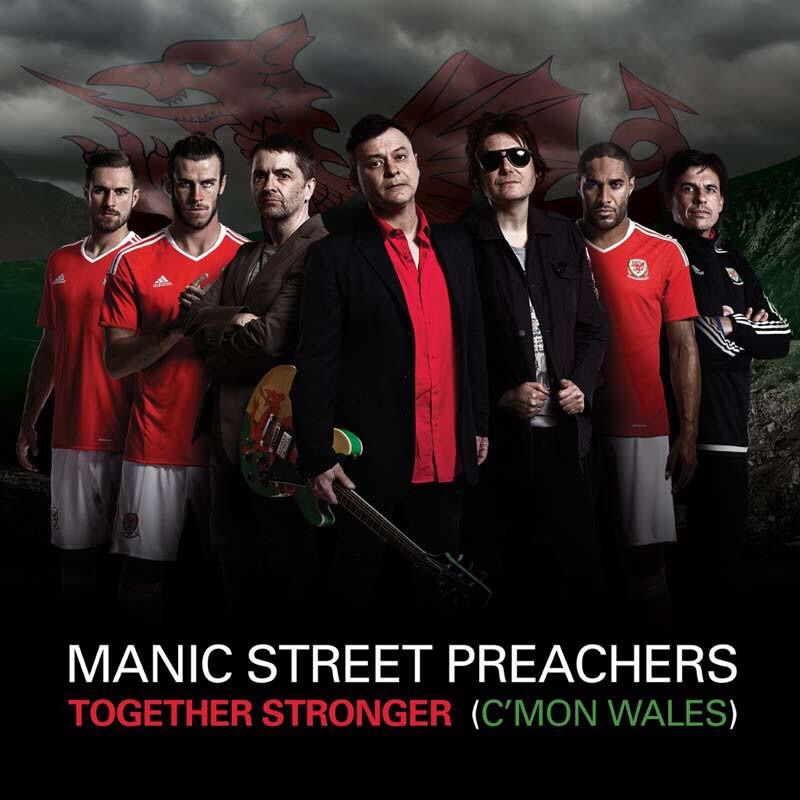
As we fast approach the big England v Wales game in the UK, I have a confession to make. I am now the proud owner of a copy of the latest Manic Street Preachers single, “Together Stronger (C’Mon Wales)”, which is the Welsh national team’s anthem for the Euro 2016 football tournament currently making headlines for all the wrong reasons across Europe. For those outside Europe, it might not be obvious how wrong this is for a Englishman, especially when England have been drawn in the same group as Wales. Big rivals, never played each other in a major tournament before, must win match for both.
Hear me out, I have mitigating circumstances. Firstly, there was a signed copy available on the Manics’ website. Secondly, there’s an exclusive remix of “A Design For Life” as the b-side. Thirdly, it’s actually a very good song, especially for a football anthem. That said, there is something distinctly uncool about owning a football anthem, especially one for a rival team, but it’s something I’ll have to learn to live with.
This doesn’t quite compare to something similar that happened to me in 1996. As a newly-discovered supporter of Manchester United, I distinctly remember being stood in the big Woolworths in Burnley, pocket money in hand, staring at two potential musical purchases. It was always a tough decision – I got £2 a week and so I usually only had the ability to buy one single a week at the most. I had to get the decision right to ensure I had something enriching to listen to for the next week or so.
The first option was the official FA Cup Final single released by the Manchester United squad. Its name? “Move Move Move (The Red Tribe)”. It was utter tripe, but had the sole benefit of being the song from the team I supported.
Sat right next to this abomination was the FA Cup Final single released by the Liverpool squad. In hindsight, this was also utter tripe, though marginally less tripy than United’s effort. It was titled “Pass and Move (It’s The Liverpool Groove)”. Bracketed song titles were very popular back in the mid-90s, as were rapping footballers
I faced a tough decision, but it was one I found a way out of. I couldn’t afford both on CD single so I bought Liverpool on CD single and United on cassette. The utter shame. Two terrible songs entering my music collection, plus a betrayal of my team to go with it.
So maybe this Wales incident won’t be looked back on with such embarrassment. I guess much of that will depend on the result on Thursday afternoon.
Setlist:
Funeral for a Friend / Love Lies Bleeding
The Bitch Is Back
Bennie and the Jets
I Guess That’s Why They Call It the Blues
Daniel
Looking Up
A Good Heart
Philadelphia Freedom
Piano Improv
Rocket Man (I Think It’s Going to Be a Long, Long Time)
Tiny Dancer
Levon
Goodbye Yellow Brick Road
Have Mercy on the Criminal
Sorry Seems to Be the Hardest Word
Your Song
Burn Down the Mission
Sad Songs (Say So Much)
Don’t Let the Sun Go Down On Me
All the Girls Love Alice
I’m Still Standing
Your Sister Can’t Twist (But She Can Rock ‘n Roll)
Saturday Night’s Alright for Fighting
Encore:
Candle in the Wind
Crocodile Rock
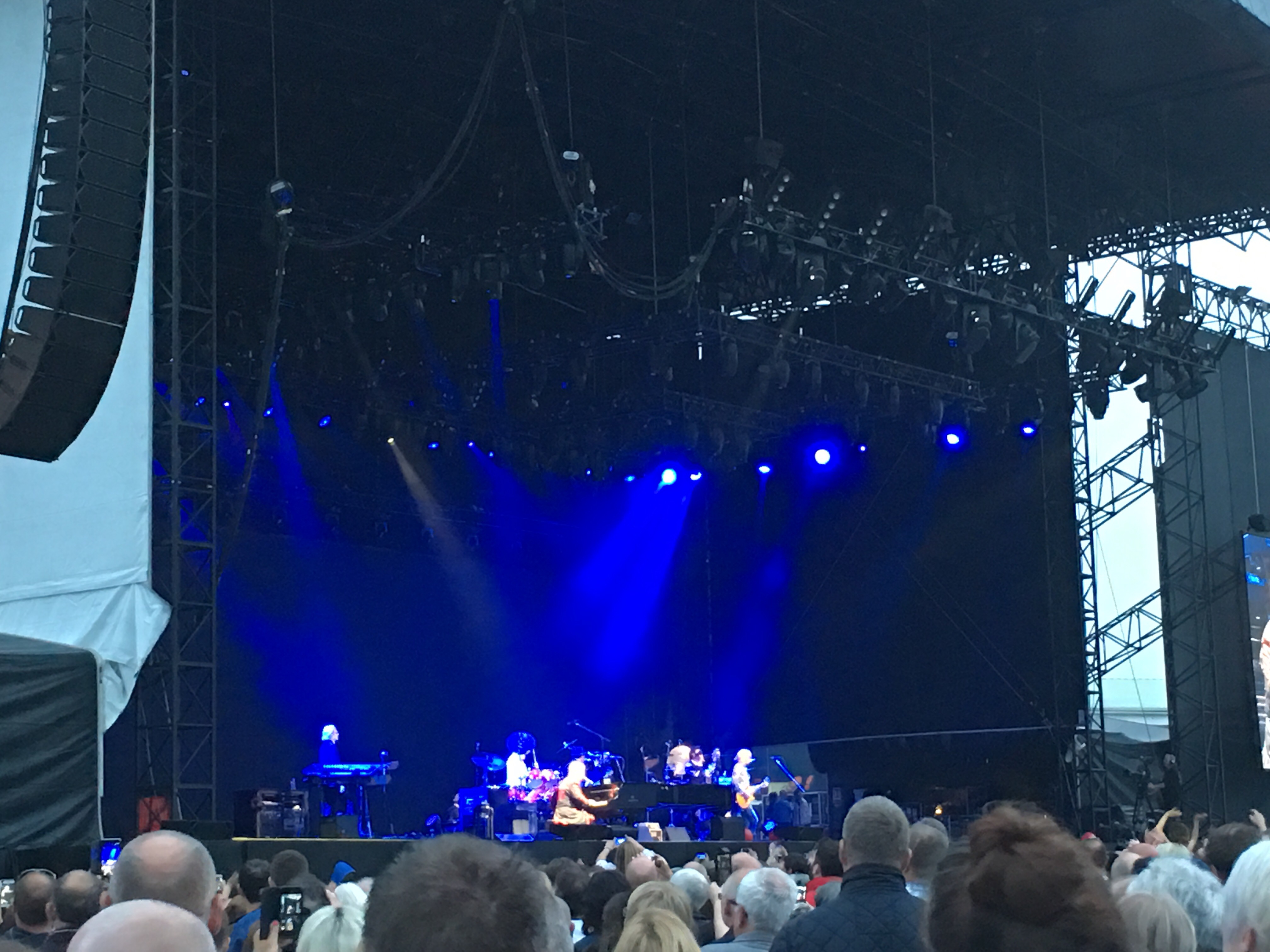
Elton John returned to Leicester for the first time in 40 years to play to a packed crowd of eager middle-aged middle-class concert goers. The day was geared towards his fanbase – all tickets were seated and it the whole thing was wrapped up well before 10pm. The main flaw was a vast underestimation of how popular fish and chips would be with a crowd who arrived before 5pm.
Elton didn’t waste any time getting stuck into his biggest hits, blasting into an epic take on Funeral For A Friend / Love Lies Bleeding, before picking up the pace with The Bitch Is Back.
These concerts can always run the risk of such a well-established artist like Elton John just going through the motions. His touring band has been together for a while and have been playing these songs for decades, but it didn’t show. The important thing was that they all looked thrilled to be there, a sentiment that transferred directly to the audience. It wasn’t until he got into the slow-paced A Good Heart from his latest album Wonderful Crazy Night that the crowd died down and took a breather.
The mood was only soured when Elton launched a tirade towards some over-zealous security guards at the front of the stage, who appeared to be forcing the crowd to stay seated. Elton refused to continue until they sat down themselves, and this confrontation caused a slight break in the fun.
It must be difficult to stay in a bad mood, however, when your songs are being sung word-for-word by 1000s of adoring fans, and as the drinks flowed and the night drew in, the crowd fell in love with the superstar all over again. With songs this good, it’s easy to see why.
Radiohead have this week unleashed two brand new music videos for the lead singles from their new album, which will be released on Sunday night at 8pm GMT.
The first single arrived on Tuesday afternoon and was immediately available to download. Titled “Burn The Witch”, it carries with it an urgent orchestral riff that crescendos into an electronic beast of a tune. Whilst this was hailed as a new direction by their manager Brian Message, the classical music influence is hardly surprising – guitarist Johnny Greenwood has been moonlighting as composer-in-residence for the BBC Concert Orchestra for some years and has also tried his hand at several film soundtracks, collaborating on the last three Paul Thomas Anderson films (There Will Be Blood, The Master and Inherent Vice).
You can watch the video below. It’s a bizarre cross between 190s stop-motion children’s cartoon Trumpton and 1973 horror film The Wicker Man, and it’s utterly brilliant.
The second video, released earlier today, is for a track called “Daydreaming”. This is a piano-driven track full of ambience and subtlety that would be at home on Kid A. The video has a cinematic quality to it, following singer Thom Yorke through various residencies and buildings before seeing him climb a snow-covered hill, into a hollow and falling asleep next to a fire as the tune collapses around itself.
You can watch “Daydreaming” here:
What do these songs say about the album? Well, they don’t sound like a drastic departure away from the sorts of sounds we’ve heard Radiohead produce before. Certainly they haven’t stood still, but both Kid A and Amnesiac are brought to mind with the material heard thus far, with heavy influences from Greenwood’s mature concert orchestra brain.
If they wanted to whet our appetite, they’ve certainly succeeded.
Setlist
Everything At Once
Writing To Reach You
Love Will Come Through
Driftwood
Paralysed
Side
Re-Offender
Animals
Where You Stand
Three Miles High
More Than Us
Closer
Turn
Flowers in the Window
Sing
Blue Flashing Light
Encore
Good Feeling
Why Does It Always Rain On Me?
Back in 1999, Travis were on top of the world. They’d enjoyed moderate success with their debut album ‘Good Feeling’, but with ‘The Man Who…’ they had become relentlessly popular. Songs such as ‘Writing To Reach You’, ‘Turn’, ‘Driftwood’ and ‘Why Does It Always Rain On Me?’ were hard to avoid that summer, and they cemented their success with a glorious headlining slot at Glastonbury in 2000.
They may not still be considered mainstream, but those that have stuck with them know their form has never really dropped. The intervening years have given us a plethora of excellent album releases, from the radio-friendly ‘The Invisible Band’ in 2001, through the politically-driven ’12 Memories’ in 2003 to ‘Where You Stand’ in 2013, which is arguably their strongest set to date. Indeed, only 2008’s ‘Ode to J. Smith’ failed to trouble the top five of the UK album charts, showing that the plentiful die-hard fans kept coming back for more.
With 2016 promising new album ‘Everything at Once’, and with a couple of well-received singles in the bag, Travis decided to go out on a mini-tour to road-test the new material for these fans. I was there for the first of these gigs, at the Roadmender in Northampton, to catch their return to the stage.
The 850-strong crowd were in fine voice as they smashed their way through the first handful of songs. Opening with new track ‘Everything At Once’ was a brave move that paid off and it has already clearly been well received. However, it wasn’t until ‘Writing To Reach You’ kicked in that the audience really got going. A couple more hits followed before the next new track ‘Paralysed’ was given its first airing. It sounded good but singer Fran Healy admitted it would take five or six listens before any new material would truly sink in.
With an audience such as this – most were members of the mailing list that had been tipped-off about a ticket pre-sale – the more obscure songs will always be appreciated. Both ‘More Than Us’ and ‘Good Feeling’ from their debut album received huge cheers, as did ‘Blue Flashing Light’ as it closed the main set. It was this set closer that proved to be perhaps the highlight of the night, clearly now a fan favourite despite being buried as a secret track on ‘The Man Who…’.
And so the night came to a close with their signature song ‘Why Does It Always Rain On Me?’, sung at full volume by everyone present. It was a night for Travis to get back into the swing of things in safe and welcoming surroundings, knowing they would receive a much-deserved warm response from their most dedicated fans. They are set to take their new album on the road this summer (an announcement is set to be made tomorrow morning at 7am). Whilst they might not win any new fans over, they certainly won’t disappoint those already converted.








 Cinema, etc.