Theatre Review – ‘Hikosan Gongen Chikai No Sukedachi’ at the Kabukiza Theatre in Tokyo,02/04/2016

The Kabukiza Theatre in Tokyo is the primary theatre in Tokyo to watch traditional kabuki theatre. The theatre is stunning both inside and out, designed in a traditional manner despite the many reconstructions over the years. Seeing a show there is a must for anyone visiting Tokyo wanting to see traditional Japanese theatre done properly.

What is kabuki theatre?

Kabuki is a traditional form of Japanese entertainment. The name literally means sing-dance-skill. It was allegedly first performed in the 17th century and has continued to be popular throughout the intervening period.

Theatrical productions in the kabuki style tend to be in five acts. They are typified by stark make-up and fanciful costumes, with performers striking “mie” (kabuki-style picturesque poses) as they deliver their lines. Audience members will shout out the actors’ Yagō (house name) to show their appreciation.

The stage consists of a typical framed stage as you’d expect in any Western-style play. Uniquely, however, kabuki theatre stages have a hanamichi – a walkway protruding out of the stage on which performers make dramatic entrances and exits from the stage.

How do I get tickets?

Each month a new programme of single act shows is performed, making up approximately four hours of performances in the afternoon and four hours of performances in the evening. Multi-act tickets for either the afternoon or evening performances can be bought in advance either at the box office or online, though those only wanting to see a single act can turn up at pre-determined time slots to buy cheap single-act tickets from the box office. This is the option we chose.

A word of warning on this – they operate a queuing system and only 150 tickets are available for each act, with only the first 90 getting seats. The remaining 60 stand behind the seats. It is also almost impossible to get tickets in this way for consecutive acts as the timeslot for the next set of tickets usually lands in the middle of the prior performance. Basically, if you want to see the whole show you need to buy in advance, though for newcomers one act is usually enough.

For 1000 JPY you can also rent an English subtitle box. This is essential for your enjoyment of the show and can’t be recommended enough.

Where is it?

The Kabukiza Theatre is located in the Ginza area of Tokyo. The best subway stop to reach it is at Higashi-Ginza station on the Toei Asakusa Line. The main box-office is located in the subway station along with a small market and several coffee shops and restaurants. Single-act tickets must be purchased upstairs at the dedicated box office outside the theatre.

Review – ‘Hikosan Gongen Chikai No Sukedachi’

‘Hikosan Gongen Chikai No Sukedachi’ is a single-act play that is showing at the Kabukiza Theatre throughout April. It makes up half of the evening performance, with a second unrelated story following.

The storyline centres around Keyamura Rokusuke (Kataoka Nizaemon), a farmer and master swordsman living at the base of Mt. Hiko, who we are introduced to shortly after the death of his mother. A proclamation has been made that any man who can defeat Rokusuke in a sword fight will be put into immediate employment by the ruler of Kokura. One night, when Rokusuke is praying for his mother, Mijin Danjo (Nakamura Karoku) a masterless samurai passes by with his old mother. Danjo asks Rokusuke to let him win the sword match under the premise that it will show him to be a good son to his mother, who is close to death. Rokusuke is touched by this suggestion and immediately promises to throw the fight. However, once the fight is thrown, Rokusuke discovers that Danjo isn’t as trustworthy and honorable as he first thought.

At one hour and thirty-five minutes, the play was a perfect length for someone new to kabuki theatre. As an English speaker who couldn’t really pick up most of what was being said in Japanese, the subtitles worked perfectly well. 

It is a uniquely Japanese experience that doesn’t, in truth, compare to anything I’ve seen anywhere else. However, that doesn’t mean it’s difficult to access and within a few minutes I was completely engrossed in what was going on on stage.

Kataoka Nizaemon XV is a popular kabuki actor and his nuances were well received by the audience. He was recently awarded with the title of National Living Treasure in Japan. This is really a one-man-show and he carries it perfectly, utilising moments of real sorrow for a man missing his mother and juxtoposing them with tremendous comedy as he deals with the various women residing at his home as well as an adopted son.

If you enjoy surprises it is advised that you don’t read the synopsis before you go in as it very much reveals everything you will see performed, including the conclusion of the final act. Indeed, this is a play that ends on a cliffhanger without playing out the story to a defined conclusion, leaving the audience to take the story on in their own heads to wonder and assume what happens to the featured characters further down the line. This may come as a surprise to those expecting a satisfyingly concise ending, but this is a performance that sticks to the original script rather than tinkering to please modern audiences.

As an art form, kabuki is more accessible than most would expect and the opportunity to see it in Japan should be seized, especially with great seats available at such reasonable prices. It’s something I hope to enjoy again in the future and hope you do too.
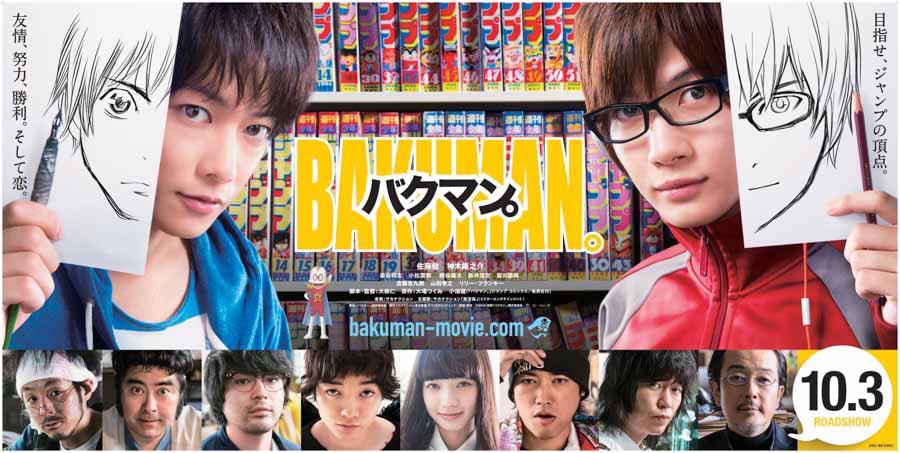
 

Film review – バクマン。/ Bakuman (Hitoshi Ohne, 2015)

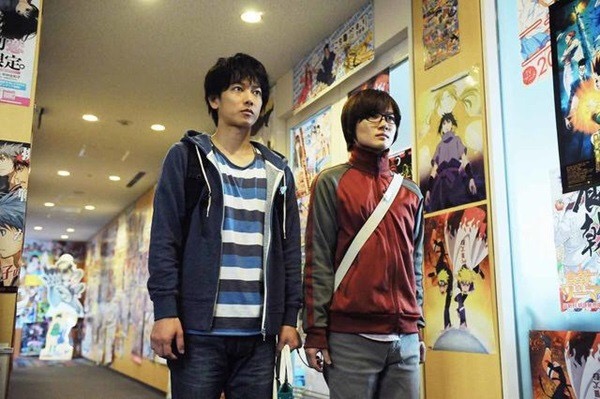
バクマン。/ Bakuman is a 2015 Japanese film based on a serialised manga of the same name. It depicts the exploits of two Japanese junior high school students, budding artist Mashiro (Takeru Satô) and aspiring writer Takagi (Ryûnosuke Kamiki), as they form a partnership to become mangakas for Japan’s most popular weekly Manga magazine Shonen Jump.

The film, like the manga on which it is based, is laced with introspection. The subject matter is such that the original manga was about two boys wanting to write for Shonen Jump, though it was serialised in that very magazine. The risk therefore is that it could have romanticised working there, but that couldn’t be further from the truth. Conversely, I was wondering how they ever got it signed off by Shonen Jump since working there seems to pose serious risks to ones health.

The overarching storyline is a romantic-comedy, because artist Mashiro is driven by the hope his success will be met with that of Azuki (Nana Komatsu), an aspiring voiceover actress with whom he has a pact should they both be successful. Whilst this is slightly by the numbers, the real magic comes from the attention given to the artistry and skill involved with making manga. I’d go as far as saying this is a perfect place to start if this is a career you want to go down as it gives you a warts-and-all depiction of how these artists live their lives.

  
There are some brilliant sequences involving the main characters as they battle against a rival artist in a nightmare world of manga artwork and paintbrushes that do for Japanese art what Scott Pilgrim did for videogame culture in 2010.

There might not be a lot in this for people who aren’t fans of manga or anime, but anyone who has ever picked up a copy of Shonen Jump would really find a lot on offer in this homage to the struggling manga artists at the magazine.

2016 March Grand Sumo Tournament, Osaka

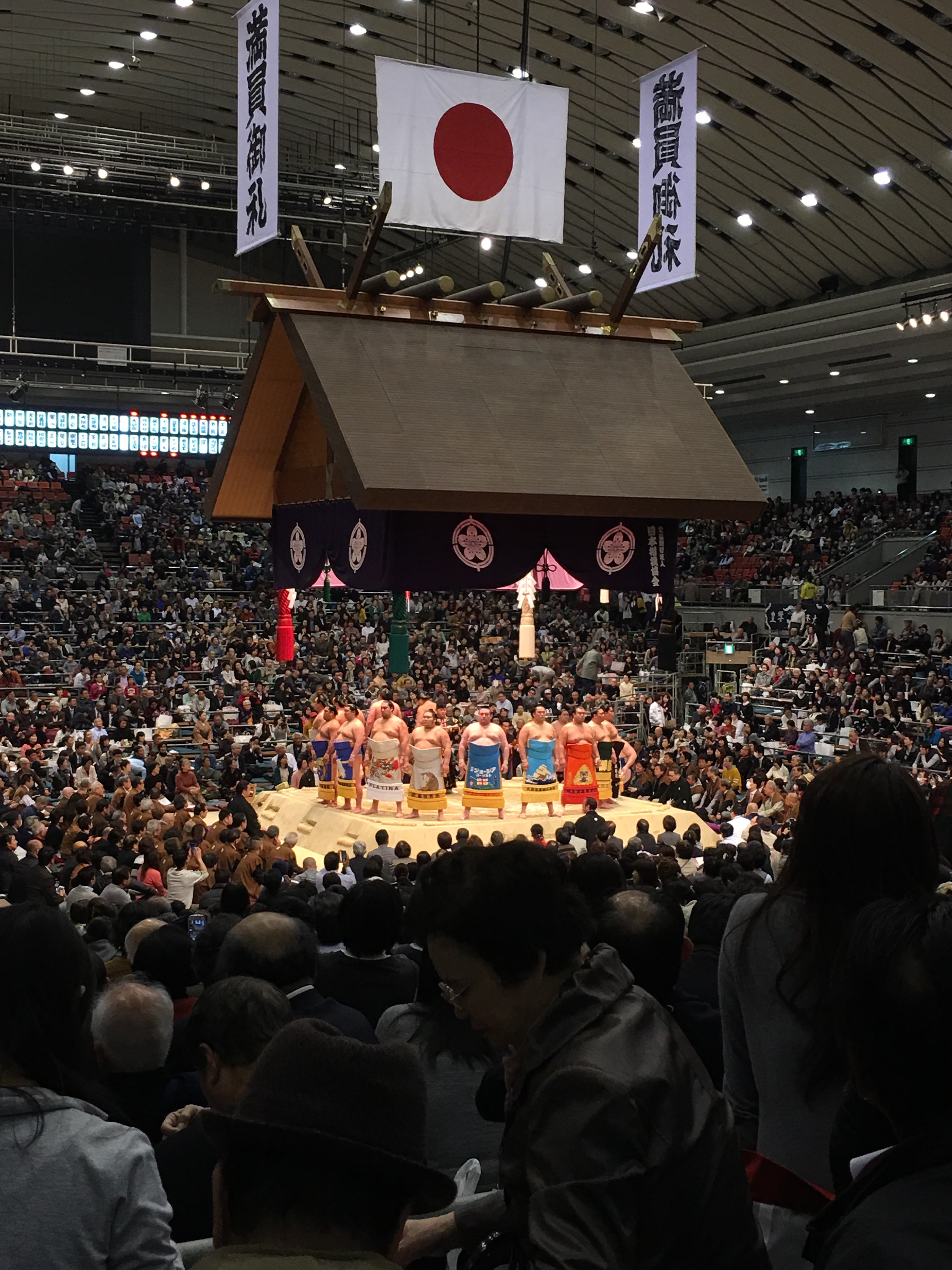
If you’re thinking of visiting Japan any time soon and you’re lucky enough to land your trip at a time when the sumo tournament is on, you need to make sure you go. To absorb yourself in Japanese culture completely, you should consider all aspects and in a country where sport is so important you might as well opt for a uniquely Japanese sport rather than football or baseball.

  
How does the day work?

We went on the 13th day of the tournament, which is the business end of things. Basically, the format of these tournaments is that they last fifteen days and each sumo wrestler competes against a different opponent each day. They don’t have time to compete against everyone but they don’t repeat any match ups. 

As each wrestler is ranked according to his status and record, the fights are split into sub-sections throughout the day. In a nutshell, you can get into the arena from 08:30 but the best wrestlers won’t fight until about 15:00. Since we were travelling over from Tokyo in the morning, we went to the arena at about 13:00 and didn’t feel like we missed anything, seeing the tail-end of the Makushita Division fights (3rd division), all of the Juryo Division fights (2nd division) and all of the top level Makuuchi fights.

Do I need to know anything about sumo?

The sport of sumo is very easy to figure out, and it’s made easier by the fact that the fights come thick and fast so you can pick it up on the day. 

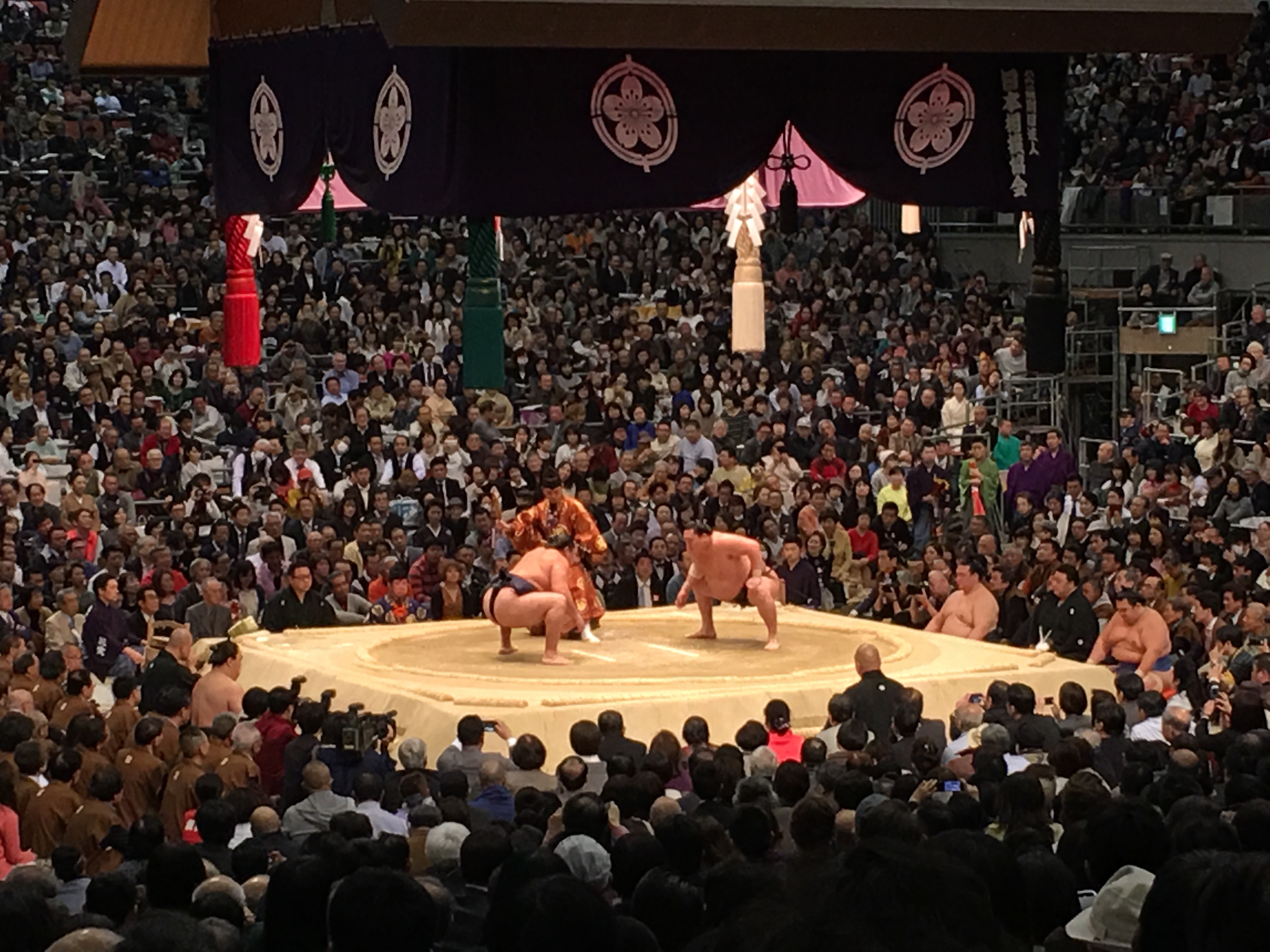
In simplistic terms, the aim is to get your opponent out of the ring or on the floor. Only the soles of the wrestler can touch to floor at any time. 

You will be able to follow the events unfolding before your eyes with a piece of paper with all the match-ups written out and the form of the wrestlers included so you can see the favourites. The wrestlers from the east are always on the left and the wrestlers from the west are always on the right (though the east/west placement is arbitrarily handed out to the wrestlers regardless of hometown).

Sumo isn’t just about the fighting. There are a lot of rituals that each wrestler must go through and they are followed before each and every fight. The build up to each fight lasts several minutes and the fights rarely go over ten seconds.

Who are the big stars?

In over 300 years of the sport, only 69 fighters have been awarded the Yokozuna title, though this has only been recognised as the highest rank for around 100 years. They achieve this by winning two grand tournaments in a row (there are only six per year). There are currently three Yokozuna fighters: Hakuhō Shō, Harumafuji Kōhei and Kakuryū Rikisaburō. All three are from Mongolia. When these fight, you know about it as the whole stadium erupts with delight. 

This is never more evident than with Hakuhō, the most successful sumo wrestler in the history of the sport. We were lucky enough to see him fight against Kakuryū, another Yokozuna, and come out victorious.

  
When are the tournaments?

There are six tournaments throughout the year: three in Tokyo (January, May, September), one in Osaka (March), one in Aichi (July) and one in Fukuoka (November).

Food (Osaka-specific)

There isn’t much choice of food once you’re inside the arena. Other than ice cream sold by vendors walking around the ground, you’re pretty much limited to a bento box if you’re looking for something substantial. These cost around ¥2100 (£15), but they include a whole host of cold Japanese snacks you can eat with the chopsticks provided. 

Here’s an example of what you’d expect to find.


If that doesn’t take your fancy, then you can wait for the tournament to finish and head of the arena in any direction and find heaps of restaurants with every type of food to take your fancy. I’m not even going to attempt to list them as there are too many to choose from.

How do I buy tickets?

This is the tricky part. Sumo tickets sell out almost instantly, especially for the latter days of the tournament.

It’s impossible to buy tickets from the official website if you don’t live in Japan. There are, fortunately, some 3rd party dealers who will help you get tickets. 

The one I used was www.buysumotickets.com, and the tickets were paid for with a small commission fee and were in hand within a few days. Really helpful service and sorted me out with alternative tickets when the ones I wanted weren’t available. 

Highly recommended!!

Conclusion

If you get chance to go to Japan and happen to be there when one of these tournaments is on, then it’s a must-do experience. Now is a great time to experience sumo, with three Yokozuna all competing at the same time. I went for one day and I’m now converted, wondering how I’ll see the next tournament from the UK!

Osaka Nightlife for a Solo Englishman

Grace was ill tonight and unable to leave the hostel, which meant that I had a free night to explore Osaka and experience the nightlife for perhaps the only time in my life. I should add, to argue against your immediate thoughts, that I did offer to stay in and look after Grace. She insisted that I should go out and explore or, to paraphrase, I’d resent her forever. Well, they were harsh words and forever is a long time, but the night was young and I increasingly wasn’t.

Fancying a stroll, I walked from Hostel 64 along the Amidaike-suji highway, took a left onto the American-themed Orange Street and walked towards the built up Soemon-cho area. Walking around until something took my fancy (criteria: prices were neither overly cheap nor overly expensive, queues weren’t tailing down the street, they had an English menu), I wound up in a place called Napoli’s Pizza and Caffé.

Napoli’s is an unusual place. It’s very popular with locals, though a couple of Westerners were here too. It’s primarily Italian-themed, though the bar itself is like any you’d find in the UK, with all the Japanese staff speaking at least a little English. Its prime beer is Carlsberg and their logo is proudly displayed all over the decor. It has a variety of spirits and beers on sale, none of which seemed unfamiliar to me. Most of the meat on the pizzas it serves is fish and that aligns it to the local Osakans (I’m sure that’s what they call themselves). The music played was Japanese-language soul music, but they helpfully counteracted that with several screens playing a subtitled Harry Potter film. It was the one where all the wizard schools from around the world battled for the tri-wizard cup and everyone realised Emma Watson was going to be really attractive but wasn’t yet because she was under-aged and to think that would have been wrong.

When I stepped back outside, I realised how easy it is to get completely lost in this area of Osaka. Bright lights everywhere, every intersection leads to another 100-200m of night spots. The nightlife potential here is second to very few cities in the world. Restaurants, bars, nightclubs, seedy underground spots. The world, or at least one of the best places to be on a Saturday night in the world, was my oyster. There was only one place to go: Murphy’s Irish Pub.

  
Yes, by this point in our trip (about a week in) I was now missing some home comforts. Knowing what I’d get here was a good move. It was absolutely heaving with a mixture of Japanese, Americans, Australians and a handful of Irish people. There was a live band on stage called Ichigo Ichie. They played a mixture of Japanese, English and American music, including but not limited to Radiohead, Chad Kroeger, Oasis and Pearl Jam. The Japanese songs, of which I was familiar with none, were by far the most popular. It was perfect for the mood in the pub, with people happy to chat to those beside them regardless of whether they knew them or not. I met a couple from Hawaii and had a nice chat about American soccer goalkeepers and t-shirts.


I then retraced my steps back to a place I’d seen on my way into the centre called Kamikaze, a craft beer pub. It has been operating for three years from its location on the Naniwa-suji highway. It’s a fantastic place with the menu offering such drinks as Highland Peat Scottish Ale, Izutsu Grape Field Beer and Real Blood Lager, the latter of which I went for. At 1620¥ (just under £10) it felt a little pricey for what I got, but a bar blasting out The Libertines whilst Meet Joe Black occupied the big screen was by-no-means a loss.

And so back to Hostel 64 to check on Grace. It turns out her headache came and went and she probably could have enjoyed the night as much as I did. Osaka is a wonderful city with a lot to offer. As a lonely traveller walking around on my own through the Osakan night I felt 100% safe and the opportunities it offered to me were endless.

Short film review – やどさがし / Looking For A Home (Hayao Miyazaki, 2006)

Looking For A Home is a short film that was written, produced and directed by Hayao Miyazaki for Studio Ghibli. It is shown exclusively at the Studio Ghibli Museum in Mitaka, Tokyo, Japan [1].

The film follows a girl as she sets out from her home on a trip away from her busy city dwelling to the calmer countryside, through forests and into a tiny cottage she discovers along the way. At each point she thanks the aspects of nature she experiences (a fish, the trees, etc.) with an apple. Everything is represented by a unique human-voiced sound which are also written out on the screen to humorous effect.

This is a perfect short film to experience at the Studio Ghibli Museum for non-Japanese speakers, because the whole thing is very visual and the audio can be enjoyed without any understanding of Japanese. It is a sweet film aimed at children but, as with most of the output from Studio Ghibli, it is equally enjoyable for adults too.

[1] The Ghibli Museum has a small cinema called The Saturn Theatre. In this, they show one of nine short films for visitors on each day. Each visitor gets one ticket to the short film selected for that day so there is no chance of seeing more than one per visit. It is complete pot luck what you’ll see on your visit.

Film review – 刺客聶隱娘 / The Assassin (Hou Hsiao-hsien, 2016)

Set in 8th century China during the Tang Dynasty, the film revolves around assassin Nie Yinniang (Shu Qi) who has been ordered to murder a variety of government officials by her master Jiaxin (Fang-Yi Sheu). After taking mercy on those she has been ordered to kill, she is given a much greater task to take down Ti’an Jian (Chang Chen), her cousin to whom she was once betrothed and now a military governor in the Weibo district.

The story is, apparently, an essential tale in wuxia folklore, unique in that it featured a female heroine. It is clear why this is such an enduring tale in Chinese history, especially given its importance as an early example of women’s literature. In this sense it is perfect for a motion picture adaptation.


It would be a great success but for the director losing touch with the flow of the movie. In a recent Variety interview, director Hou Hsiao-hsien said “It’s not easy for people to grasp the film fully the first time around, but you can’t wait for the audience. I can’t help but make films the way I do.” I can’t subscribe to this kind of thinking. In my opinion, it is not outside a director’s job to challenge his or her audience, but this shouldn’t be at the deliberate expense of telling a succinct story.

At times, the film feels like an extended advertisement for the tourist board of the Hubei Province in which it was filmed. There are some truly beautiful shots in there that instantly transported me to thoughts of traditional Chinese paintings. It is a triumph of cinematography at its absolute best, courtesy of Mark Lee Ping Bin.

The way the camera lingers on some of the actors and actresses long after they’ve finished what they are saying is also striking and feels deliberately daring. For this reason it should be seen as a success, at least in terms of artistic beauty. 

However, the overarching feeling that the film itself didn’t really have much substance can’t be excused. It’s tricky. The source material is well-loved and recognisable and could hardly have been altered drastically, but it really needed it to achieve greatness. Most notably, the lead character Nie Yinniang, the eponymous assassin, doesn’t actually kill anyone. True, this is the whole point of the film and is central to the plot, but there’s something wholly unsatisfying about having a continuous string of disappointing battles where people get their clothes sliced a little or a couple of hairs trimmed, especially when each shot looks so stunning.

It’s almost a wonderful experience, but falls just short.

Film review – Dad’s Army (Oliver Parker, 2016)

Dad’s Army is one of the best-regarded sitcoms to ever come out of Britain. A film would always have two almost certain outcomes: making a lot of money and not living up to the public’s fond memories of the original series. In this sense Oliver Parker’s 2016 effort doesn’t disappoint.

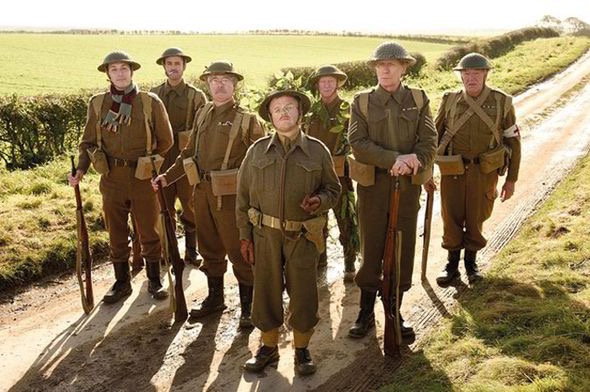
This film adaptation stars Toby Jones as Captain Mainwaring, the leader of a Home Guard [1] platoon the fictional Walmington-on-Sea in England during World War II. His platoon consists of Sergeant Wilson (Bill Nighy), Lance Corporal Jones (Tom Courtenay), Private Godferey (Michael Gambon), Private Pike (Blake Harrison), Private Walker (Daniel Mays) and Private Frazer (Bill Paterson). They are being visited by glamorous journalist Rose Winters (Catherine Zeta Jones), there to report on the Home Guard.

The authenticity of this film is, to the untrained eye, fantastic. The colour washes and costumes give it the feel that you genuinely are watching a Home Guard operation in 1944. There is a clear attention to detail that has gone into this and the film is much better for it.

The plot, generally, is enjoyable. It is pitched at the right level between the series and what is expected of a big-budget film. It puts the Home Guard into a potentially larger plot that is at the centre of the war efforts.

Where this film majorly falls down is the humour, or lack thereof. The writing was on the wall with the trailer, which felt a little flat. Unfortunately, most of the best material was featured in one or more of the trailers, and between these moments the humour was lightly sprinkled in a way that may bring a smile to the audience members’ faces but never succeeds in delivering a belly laugh. In this sense it has been a huge failure in comparison to the original series.

The actors do a wonderful job impersonating the original cast members, to scarily uncanny levels. This is perhaps the only time when all these stars will grace the screen together and it is a real letdown that the material they’ve been served is so underwhelming.

A massive disappointment.

[1] During World War II, those unable to serve on the front line provided a second line of defence on British home soil. Platoons were generally made up of those too old or too young to serve in battles, individuals with injuries or illnesses that prevented them from being on the front line and those with professional occupation that were exempt from joining the front line war effort. It was a significant operation, consisting of around 1.5m volunteers.

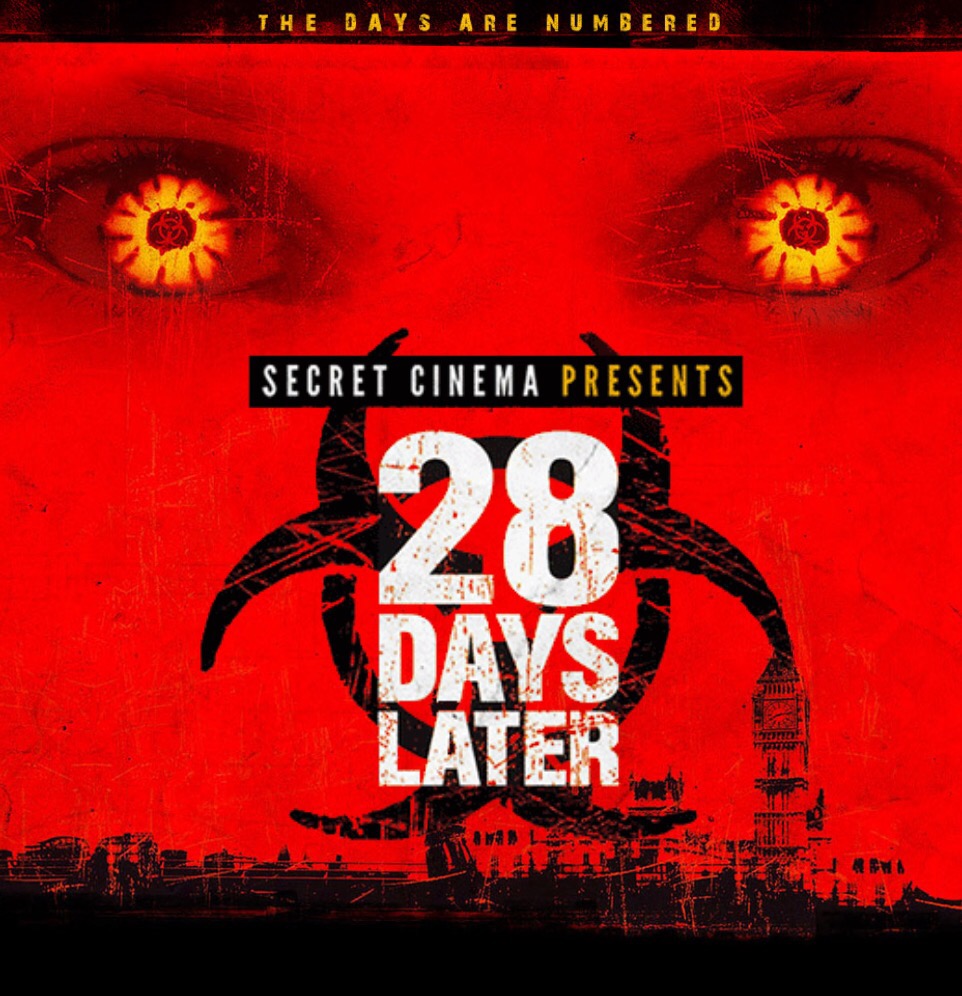
Secret Cinema: 28 Days Later Preview

It’s back and it’s hungry for flesh!!

Secret Cinema have announced their next big event. It’s a good one! Read on for more details.

What is Secret Cinema?

Secret Cinema is a company that specialises in totally immersive cinema experiences. You spend an evening totally absorbed in surroundings typical of the film on which the night is based.

There are two types of event Secret Cinema organises. Both are highly similar but with subtle differences.

Secret Cinema: Tell No One (not this event)

The first is the kind they made their names doing – completely secret smaller events for films many would consider to be cult classics. Nobody knows the film until they show up, and from then on anything can happen. 

When they tackled The Shawshank Redemption, for example, people were snarled at by an angry police officer who informed them they were all convicts. He then walked them, single-file, through a busy shopping centre to their transport to a local high-security prison. It’s all good-spirited and great fun for those with an interest in surprises and adventure. The recent Tell No One event falls into this category (and is still going on so the name of the film won’t be revealed). 

Secret Cinema Presents (this event)

The second type tend to be larger in scale and the film is announced well in advance. This is the category last year’s Empire Strikes Back event falls into, along with the previous year’s Back to the Future. Both were excellently received and left people wanting more large-scale events.

The latter type is better for those unfamiliar with more obscure films who want to know that they’ll enjoy the night before they attend and pay for the tickets.

Either way, whatever they do the nights are always highly immersive experiences and well worth the money. They have carved out a massive area of the market that most people didn’t even think existed.

What’s the next event?

This next event in their calendar is Danny Boyle’s zombie survival horror 28 Days Later. It is a Secret Cinema Presents night, so the film is common knowledge. No surprises this time around!

What’s the film like?

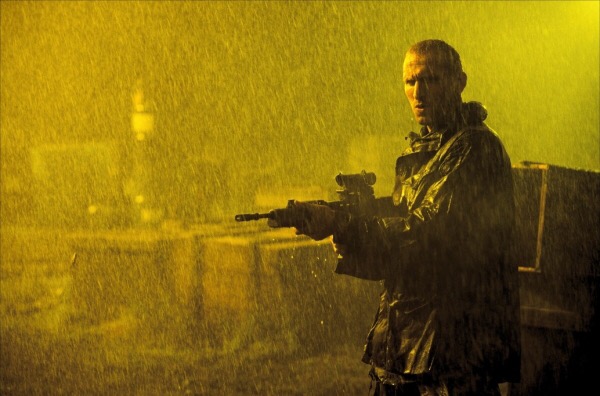
28 Days Later revolutionised the popularity of zombie films as a genre. It was a shift in terms of the technology used. Boyle used Canon XL1 digital video cameras to allow the manoeuvrability to shoot the desolate London scenes, but they had a knock-on effect that gave the film a sort of CCTV-type feeling to it, like it was recovered footage. It starts with the lead character Jim (Cillian Murphy in his breakthrough role) waking up from a coma in a hospital with no knowledge of how he got there.

We learn what’s happening as he does, finding fellow survivors along the way and hoping to reach some kind of freedom. It captured the imagination of cinema-goers during its original release, instantly becoming a hit in both the UK and USA.


What can we expect?

It would be easy to jump to the conclusion that it is really just any excuse to do a zombie-themed event. Anyone who has experience of Secret Cinema will know that this is very unlikely.

The event will, inevitably, involve hoards of zombies. One way that the film kept us gripped is the constant use of impending terror. It was the first film to use running zombies, so expect these to be present at the event too. Better take your running shoes!

I imagine it will incorporate the military as a key element. In the film they weren’t necessarily to be trusted, and there’s a fantastic scene in a fortified mansion that could utilise the open-air quite well if that’s the path they choose to go down.

Whether or not we’ll be killing zombies or just avoiding them remains to be seen. If we are doing that, it will need to be reasonably safe or there could be some serious injuries. No head-shots people!

Clothing is always a key part of the events and advice on outfits will be sent out in advance. It’s possible that it will be one of the easiest Secret Cinema events to dress for. The film is set in the present day (or ten years ago at least) and presumably we won’t be asked to dress up as zombies. I’d imagine it will be a case of wearing anything for once rather than trying to get hold of any specific costumes. No desperate searches for tan and black scarves required this time! Perhaps a medical outfit will be required for some people.

It will be a great experience to witness a modern cult classic on a massive screen with an enthusiastic audience.


How do I buy tickets?

Tickets are on sale for the event right now and are selling fast. Head to the official webpage for more details.

Film review – Hail, Caesar! (Joel Coen and Ethan Coen, 2016)

Hail, Caesar!, the new film from the Coen Brothers, is a film heavy on nostalgia and authenticity but light on focus to moving along the central plot. It has so many fantastic elements that seeing the final product fall short is a huge disappointment.

The film tells the story of Eddie Mannix (Josh Brolin), head of production at Capitol Pictures whose job involves firefighting the many problems created by the studio’s roster of stars who seem to have an uncanny ability to mix themselves up in controversy. The studio’s next big film will be Hail, Caesar!, a biblical epic in which Baird Whitlock (George Clooney) will star. However, when a prop wine goblet is spiked by an extra on the set, he is kidnapped by a group of communist scriptwriters called The Future and held to ransom for a then significant total of $100,000, putting pressure on Mannix at a time when he is considering a career change to join the aviation industry with the Lockheed Corporation.

  
It felt at times that the Coen Brothers were so hell bent on fitting in a plethora of big-star cameos that they didn’t care that each time they did so they completely derailed the focus of the story. Take, for example, Frances McDormant’s studio film editor CC Calhoun. Her hammed-up effort is a nice comedy turn introduced at a critical point of the film. She could have easily turned into a key character, but never reappeared and thus there didn’t really seem to be much point to her appearance.

A bigger offender comes in the form of a more significant subplot featuring pregnant star Dee-Anna Moran (Scarlett Johansson) and surety agent Joe Silverman (Jonah Hill). It’s a huge eater of time but in the end resolves itself with little input from Mannix at a time when he is deciding that he needs to stay in the film industry, presumably because he is so critical to it.

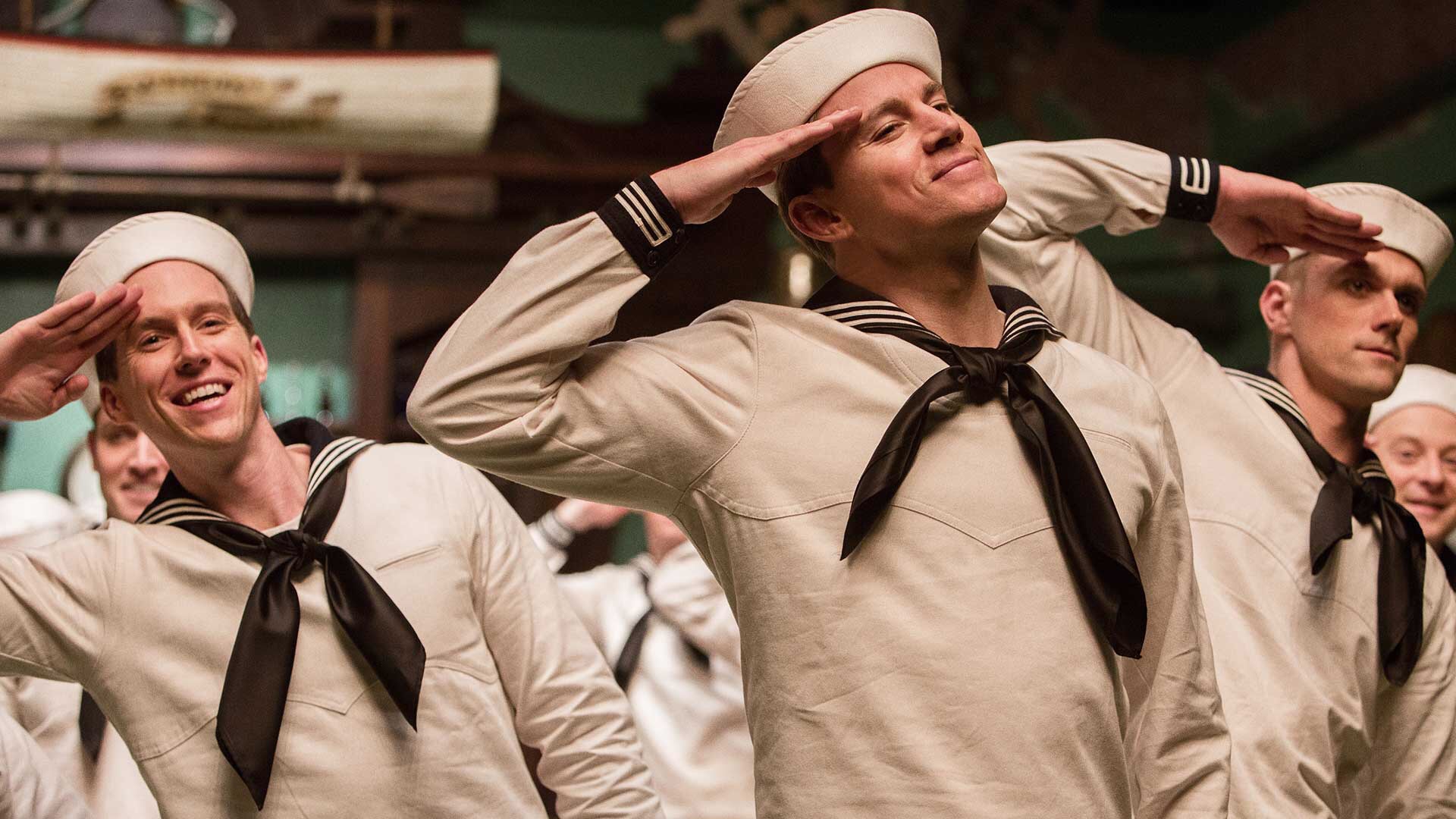
Similarly, Channing Tatum, who features as Burt Gurney, gets a great song and dance scene – a real highlight to the film – but is probably only in three scenes in total. The time spent with Johansson and Hill may have been better served with Tatum. Instead, none of the three characters really feel significant enough to elicit the response they could have achieved had more time been spent with them.

  
One character that does end up getting fully fleshed-out is the Western star Hobie Doyle (Alden Ehrenreich). He is introduced as a big studio star that has got where he is by his ability to perform massive stunts rather than any of his acting qualities. There are some fun scenes with Laurence Laurentz (Ralph Fiennes) as he tried to get the best out of his acting abilities or lack thereof. Near the end of the film there is some subtle symbolism involving him figuratively lassoing Baird Whitlock and taking him back to the studios from the communists, a nod to the cowboy as an upholder of traditional American values. Whether or not they needed to spend so long in the film emphasising his cowboy skills to set this up is another question, but at least this character takes us on a journey and proves to be critical to the resolution of the story.

At the heart of the story is Josh Brolin’s Mannix, a man who is essentially a fixer for the studio. It is an interesting character and, along with Clooney’s bumbling Whitlock, he carries the film. His climactic scene with Whitlock underlines why his decision was made – he sees the communist issues surrounding the film industry as a huge threat to America and something he can have a significant impact on from his position. He takes what he considers to be the harder option but in doing so gives his future life more worth. 

There is an underlying message about the wider issues facing Holllywood at the time this film is set (1951) and how easy it was for people like Whitlock to get involved with communist cells. The discussions on such topics is outside the intended remit of this review, though the recent film Trumbo is a good starting point.

Hail, Caesar! offers a lot to fans of the Coen Brothers, though it feels like a hugely missed opportunity due to failings of an over-complicated plot that could have been significantly trimmed to focus the story on the most relevant characters. Fun in parts but overall a disappointment.

Film review – Deadpool (Tim Miller, 2016)

Deadpool may be many things. Some call it a superhero film. Some will call it an action film. Some will call it a romance. Some will call it a comedy. It may be all of these things, but one thing it doesn’t do is take itself seriously.

Deadpool has opened with the largest first weekend takings of an R-rated movie ever ($132.7m). Both the taking and the rating are well deserved. Where its superhero counterparts have sanitised the violence portrayed, Deadpool plays to it. There are beheadings. There are dead human carcasses splattered at high speed into road signs. There is terrible, offensive and graphic language. The violence is non-stop. There’s even more after the opening scene. Later, we visit a strip club. Indeed, there’s a sex montage that lasts about five minutes and is played for laughs. Nothing is off-limits.

It never loses its sense of humour, and at the centre of this achievement is Ryan Reynolds who proves that he’s the right guy for the job after all. We have seen Reynolds’s take on Deadpool once before, albeit in what is generally regarded to be a butchered take on the comic book character. His first appearance as the chatty bad ass was in 2008’s X-Men Origins: Wolverine, in which he was inexplicably not able to talk once he became Weapon XI / Deadpool. It was seen at the time as a missed opportunity by fanboys of the comics, though in hindsight it is hard to pin the blame on Reynolds. What else could he do with a silent character, especially acting alongside will.i.am?

This time around he is actively encouraged to pastiche other superhero films. Several times the fourth wall is broken to humorous effect, usually to take a poke at the previous Marvel films, the messy timeline involved in the X-Men franchise, Hugh Jackman himself and, most frequently, that underwhelming Origins film.

It’s refreshing to see a superhero film not taking itself very seriously. It was also great to see a director – a first-time director at that – given the ammo to do exactly what he wants with a film and not be told to fit it into a larger universe. We can only wonder if Ant-Man could have been this good if Edgar Wright was allowed to finish it.

Tim Miller has directed one short film prior to Deadpool. It was an animated short film from 2004 called Gopher Broke. You can view it here:

Supporting Cast

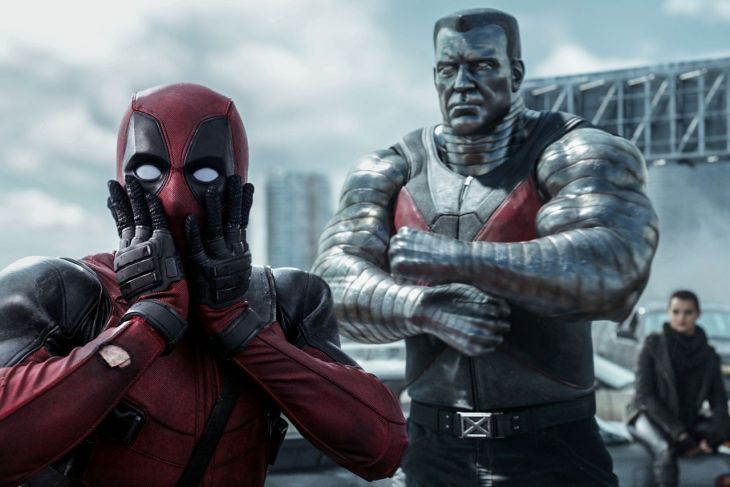
One of my favourite X-Men characters as a child was Collossus (Stefan Kapicic). Here he is given yet another outing on the big screen in a CGI creation that is well realised visually if not in terms of characterisation. He is present as one of Deadpool’s sidekicks solely for comic relief rather than to provide any real threat, and as a result it’s difficult to see him having any room to manoeuvre in future X-Men films.

The other sidekick character making up the lead trio is Negasonic Teenage Warhead (Brianna Hildebrand). An emo-styled young mutant, she at least has some potentially useful strength. However, she is also on the receiving end of some great one-liners from Deadpool and doesn’t offer much to suggest she might ever become a fan favourite.

deadpoolcolossus

These two supporting X-Men were clearly only ever seen as a bit of background built around the requirement for a subplot in the final battle sequence. A joke is made at one point about the studio not being able to afford any more X-Men. There is doubtless some truth in this.

Elsewhere, the supporting cast also includes the annoyingly evil Ed Skrein, who does a good job of making the fairly generic character Ajax quite dislikable. Morena Baccarin is well cast as the romantic interest, though it’s a shame we saw yet another an initially headstrong female character dissolve into a damsel in distress. Hopefully she will be given more prominence if a sequel is made – if they stick to the comic books she will become the mutant Copycat.

Conclusion

It is a very good film, almost a great film. It’s brash, it’s offensive and it’s graphic. It’s almost like a superhero film from an alternate reality, where the primary goal isn’t to sell action figures and lunchboxes. Its failings are more than made up for by how refreshing it was to see a completely different take on the genre.

If nothing else, at least now we can say a film has done justice to the Deadpool franchise.

Deadpool is out now at cinemas globally.