Whiplash (Damien Chazelle, 2014)

In the history of cinema, there have been a small number of characters so full of evil they barely resemble human beings anymore. We’re talking Louise Fletcher’s Nurse Ratched, Ian McDiarmid’s The Emporer. I think we can add another one to the list after seeing Whiplash.

J. K. Simmons’s portrayal of jazz conductor Terence Fletcher is absolutely remarkable and his Oscar nomination is fully deserved. Channelling his previous performance as newspaper owner Jameson in the 2002-2007 Spiderman trilogy but taking it to another level, removing the caricatured anger and replacing it with psychopathic traits of real malice, we are treated to a truly great cinematic performance.

The story charts 19-year-old Andrew Neimann (Miles Teller) as a first-year jazz student at the prestigious (and fictitious) Shaffer Conservatory music school. He lands a place in Fletcher’s jazz orchestra, an orchestra renowned for both the high performance standard and intense rehearsal conditions. Happy to meet the challenge, Neimann quickly realises he’s going to be pushed beyond the limits to achieve the thing that all aspiring musicians crave: perfection.

Teller’s performance is very assured, showing admiral talents in both his musicianship (he’s a self-taught rock drummer though had lessons to learn jazz drumming) and his portrayal of a young man trying to find the strength to pursue his dream and avoid a nervous breakdown. He has a bright future in the business, and this is an excellent way to announce yourself to the wider industry.

The film has come under criticism from avid fans of jazz for misrepresenting particular anecdotes used in the film and apparently poor musicianship from the lead characters. I’m no fan of jazz so I won’t comment on something I’m not confident on, but from my point of view the abilities of the performers was not something I felt was detrimental to the film at all. Indeed, it made me want to explore jazz a little more. But anyone can see this film is not about jazz. It’s about bullying, using jazz as a medium to tell the story. The jazz industry would do well to not underestimate the audience so much as to assume they wouldn’t get that.

I can’t recommend this enough to fans of great character portrayal. If Simmons isn’t awarded with an Oscar for Best Supporting Actor next month it will be the wrong decision.

Whiplash is on general release globally now.

Academy Award for Best Original Song – A Closer Look

There are five songs nominated in the shortlist for the Best Original Song Oscar. Here’s my take on them.

Everything Is Awesome (from The Lego Movie)
Music and lyric by Shawn Patterson
Performed by Tegan & Sara feat The Lonely Island


Total YouTube views as of 26/01/2015 = 28,675,867
Well, I think this is the one song on the list that you already know. If you’ve not seen this film, then you can bet someone else you know has. And if they have, they will undoubtedly have sung you some or all of this song. It’s catchy as hell. I’m amazed it has been nominated to be honest, but it is a just nomination and it would be a worthy winner. Before the nominations were released I had never heard of the other four songs on this list and if recent track records are anything to go with then the most popular song always wins (see the wickedly talented, the one and only Adele Dazeem’s “Let It Go” in 2013* and Elvian Conchords Brett McKenzie’s “Man or Muppet” in 2012). The best thing about this winning would be Andy Samberg’s acceptance speech, which, if track record is anything to go by, would be awesome.

Glory (from Selma)
Music and lyric by John Stephens and Lonnie Lynn
Performed by Common and John Legend


Total YouTube views as of 26/01/2015 = 1,613,740
John Legend has provided a quality chorus and backing track here, the “One day, when the glory comes” refrain more than catchy enough to stay in my head for a while. I have to say though, Common’s rapping leaves a lot to be desired. Music lovers in the UK may be forgiven for not knowing Common. He’s really a lot more well known in the US. It’s weird though, because here he has the look and feel of a middling defence lawyer in a low-budget made-for-TV courtroom drama. Don’t get me wrong, the words he has written are powerful enough, but the way they’re delivered just left me feeling a little indifferent. Mind you, I haven’t bought a hip-hop album since Mos Def’s 1999 hit “Black on Both Sides”, so maybe this just isn’t aimed at me.

Grateful (from Beyond The Lights)
Music and lyric by Diane Warren
Performed by Rita Ora


Number of YouTube views as of 26/01/2015 = 331,107
By far and away the worst song on the list. I’ve no idea how this got nominated. If there was a special award for Best Diane Warren Song of 2014 it wouldn’t even win (remember Paloma Faith’s “Only Love Can Hurt Like This” was released in 2014). The film isn’t even very popular. Baffling really.

I’m Not Going to Miss You (from Glen Campbell … I’ll Be Me)
Music, lyric and performance by Glen Campbell


Total YouTube views as of 26/01/2015 = 6,858,585
This would be a good shout for the win. The film Glen Campbell… I’ll Be Me has been making waves across the regions it has been available. It charts Glen Campbell’s journey suffering from Alzheimer’s, which is noble subject matter for a film. I’m yet to see it, but this song (Campbell’s last recording) is staunch reminder of his talents. It isn’t by any means his greatest work, but it is proof that the magic is still there as his condition worsens. It’s sad to listen to and should the Academy want to avoid a popular but jokey winner then this will be the one they go for.

Lost Stars (from Begin Again)
Music and lyric by Gregg Alexander and Danielle Brisebois
Performed by Adam Levine


Total YouTube views as of 26/01/2015 = 20,025,920
There’s a clear reason for this being nominated: TV viewing figures. These award ceremonies are often quite uncomfortable affairs. Neil Patrick Harris will inevitably deliver a well-polished and sharp performance as presenter this year, but more often than not the links and prize giving segments are awkward, silence-filled affairs that leaves the audience begging for reprieve. When Adam Levine takes to the stage we will at least know he’ll nail this song. Taken from Begin Again, a film in which he stars alongside Keira Knightley and James Corden, this is actually a solid power-ballad, the type for which Maroon 5 have become household names. It’s one of the better ones too. It has been included on the reissue of their latest album V, which will help boost sales. I don’t think he’ll be gutted when he finds out he hasn’t won – he’ll be more bothered about how critics react to his first major acting role (quite well, I might add)**. If I were choosing and wanted a serious option, this is the one I’d go for.

* If you’ve not heard this song yet, it’s quite the song. You should check it out. If only it was more popular.

** Critics have been widely accepting-to-encouraging of Levine’s big screen acting debut. That will come as a relief to Levine, who was so desperate to land the role he agreed to do it for free. As a business-minded individual I’m sure it was a calculated risk. He’s singing half of the soundtrack so at worst it will serve as a money-maker for the royalties from he’ll get from the OST, whilst he will also get a welcome boost of interest in their latest album V. Clever boy.

Academy Awards Nominations (Full List)

Best picture
American Sniper
Birdman
Boyhood
The Grand Budapest Hotel
The Imitation Game
Selma
The Theory of Everything
Whiplash

Best director
Alejandro González Iñárritu – Birdman
Richard Linklater – Boyhood
Bennett Miller – Foxcatcher
Wes Anderson – The Grand Budapest Hotel
Morten Tyldum – The Imitation Game

Best actor
Steve Carell – Foxcatcher
Bradley Cooper – American Sniper
Benedict Cumberbatch – The Imitation Game
Michael Keaton – Birdman
Eddie Redmayne – The Theory of Everything

Best actress
Marion Cotillard – Two Days, One Night
Felicity Jones – The Theory of Everything
Julianne Moore – Still Alice
Rosamund Pike – Gone Girl
Reese Witherspoon – Wild

Best supporting actor
Robert Duvall – The Judge
Ethan Hawke – Boyhood
Edward Norton – Birdman
Mark Ruffalo – Foxcatcher
JK Simmons – Whiplash

Best supporting actress
Patricia Arquette – Boyhood
Laura Dern – Wild
Keira Knightley – The Imitation Game
Emma Stone – Birdman
Meryl Streep – Into the Woods

Best original screenplay
Alejandro González Iñárritu, Nicolás Giacobone, Alexander Dinelaris, Jr and Armando Bo – Birdman
Richard Linklater – Boyhood
E Max Frye and Dan Futterman – Foxcatcher
Wes Anderson and Hugo Guinness – The Grand Budapest Hotel
Dan Gilroy – Nightcrawler

Best adapted screenplay
Jason Hall – American Sniper
Graham Moore – The Imitation Game
Paul Thomas Anderson – Inherent Vice
Anthony McCarten – The Theory of Everything
Damien Chazelle – Whiplash

Best foreign film
Ida
Leviathan
Tangerines
Timbuktu
Wild Tales

Best documentary
CitizenFour
Finding Vivian Maier
Last Days in Vietnam
The Salt of the Earth
Virunga

Best animation
Big Hero 6
The Boxtrolls
How to Train Your Dragon 2
Song of the Sea
The Tale of Princess Kaguya

Best original song
Everything Is Awesome (music and lyric by Shawn Patterson, performed by Tegan & Sara feat The Lonely Island) – The Lego Movie
Glory (music and lyric by John Stephens and Lonnie Lynn, performed by Common and John Legend) – Selma
Grateful (music and lyric by Diane Warren, performed by Rita Ora) – Beyond the Lights
I’m Not Going to Miss You (music, lyric and performance by Glen Campbell) – Glen Campbell … I’ll Be Me
Lost Stars (music and lyric by Gregg Alexander and Danielle Brisebois, performed by Adam Levine) – Begin Again

Best documentary short
Crisis Hotline: Veterans Press 1
Joanna
Our Curse
The Reaper
White Earth

Best cinematography
Emmanuel Lubezki – Birdman
Robert Yeoman – The Grand Budapest Hotel
Lukasz Zal and Ryszard Lenczewski – Ida
Dick Pope – Mr Turner
Roger Deakins – Unbroken

Best editing
Joel Cox and Gary D Roach – American Sniper
Sandra Adair – Boyhood
Barney Pilling – The Grand Budapest Hotel
William Goldenberg – The Imitation Game
Tom Cross – Whiplash

Best sound editing
Alan Robert Murray and Bub Asman – American Sniper
Martin Hernández and Aaron Glascock – Birdman
Brent Burge and Jason Canovas – The Hobbit: The Battle of the Five Armies
Richard King – Interstellar
Becky Sullivan and Andrew DeCristofaro – Unbroken

Best Sound Mixing
John Reitz, Gregg Rudloff and Walt Martin – American Sniper
Jon Taylor, Frank A Montaño and Thomas Varga – Birdman
Gary A Rizzo, Gregg Landaker and Mark Weingarten – Interstellar
Jon Taylor, Frank A Montaño and David Lee – Unbroken
Craig Mann, Ben Wilkins and Thomas Curley – Whiplash

Best makeup and hair
Bill Corso and Dennis Liddiard – Foxcatcher
Frances Hannon and Mark Coulier – The Grand Budapest Hotel
Elizabeth Yianni-Georgiou and David White – Guardians of the Galaxy

Best original score
Alexandre Desplat – The Grand Budapest Hotel
Alexandre Desplat – The Imitation Game
Hans Zimmer – Interstellar
Gary Yershon – Mr Turner
Jóhann Jóhannsson – The Theory of Everything

Best production design
Adam Stockhausen and Anna Pinnock – The Grand Budapest Hotel
Maria Djurkovic and Tatiana Macdonald – The Imitation Game
Nathan Crowley and Gary Fettis – Interstellar
Dennis Gassner and Anna Pinnock – Into the Woods
Suzie Davies and Charlotte Watts – Mr Turner

Best Visual Effects
Dan Deleeuw, Russell Earl, Bryan Grill and Dan Sudick – Captain America: The Winter Soldier
Joe Letteri, Dan Lemmon, Daniel Barrett and Erik Winquist – Dawn of the Planet of the Apes
Stephane Ceretti, Nicolas Aithadi, Jonathan Fawkner and Paul Corbould – Guardians of the Galaxy
Paul Franklin, Andrew Lockley, Ian Hunter and Scott Fisher – Interstellar
Richard Stammers, Lou Pecora, Tim Crosbie and Cameron Waldbauer – X-Men: Days of Future Past

Best costume design
Milena Canonero – The Grand Budapest Hotel
Mark Bridges – Inherent Vice
Colleen Atwood – Into the Woods
Anna B Sheppard and Jane Clive – Maleficent
Jacqueline Durran – Mr Turner

Best short film (animated)
The Bigger Picture
The Dam Keeper
Feast
Me and My Moulton
A Single Life

Best short
Aya
Boogaloo and Graham
Butter Lamp
Parvaneh
The Phone Call

Birdman or the Unexpected Virtue of Ignorance (Alejandro González Iñárritu, 2015)

Wow. I just left the cinema after watching Birdman and I was blown away. It’s easy to see why it has been so heavily rewarded in both the Golden Globes and BAFTA nominations, and I would be surprised if the Academy Awards doesn’t follow suit.

Michael Keaton plays Riggan Thomson, an ageing actor who has enjoyed massive cinematic success some twenty years prior portraying superhero Birdman. In a bid to reignite his waning career on a more critically reputable path, he is directing himself in the lead role of his own rewrite of Raymond Carver’s “What We Talk About When We Talk About Love”. Also starring in it are Broadway newcomer Lesley (Naomi Watts), Riggan’s romantic-interest Laura (Andrea Riseborough) and late replacement actor and seat-filler Mike Shiner (Edward Norton in excellent form). Also in the mix is daughter Sam (Emma Stone) who is now working as Riggan’s P.A., and Zach Galifianakis as Brandon Vander Hey, Riggan’s lawyer.

It’s a film that’s hard to pigeonhole and I’m not sure I really want to. I’d hate to call it a comedy, only for someone to read this article and feel hard done by by the lack of belly laughs. Then again, it’s hardly a superhero film and you’d be bitterly underwhelmed should you think this is what you’ll be getting.

2015/01/img_0157.png

One thing that will strike you when you watch it is the use of long single-shot scenes. Actually, the film is essentially edited to look like a complete one-shot, though there are some subtle cuts where scenes have been interlinked. Whilst this technique is something I favour (for a great example of this you should take a look at the excellent opening sequence of Orson Welles masterpiece “Touch of Evil”), it can also be used as a means to show off by a director. I’m a big fan of theatre, so since this film deals with the run up to the opening night of a play, on a basic level I can make a connection with the desire to not have a cut between scenes as they run into each other. That’s clearly not what the director is doing here though. For me, in fact, the purpose of these long takes is to build up the relentlessness of the pressure Riggan is under as portions of his life blur into one another and his less-than-clear thoughts are muddied by his unwanted past as a Hollywood superhero and furthermore by an unexpected pregnancy. It’s a really effective method of storytelling and they completely nail it.

I find the casting of Keaton in this role as a masterstroke of genius too. Whilst he was one of the first big-screen superheroes, his subsequent roles have never looked like troubling the box office as much as his turn in Tim Burton’s Batman, released in 1989. Only Christopher Reeve had been part of a bigger superhero success when he took on the role of Superman, and Keaton’s career trajectory ended up mirroring somewhat Reeve’s problematic career post-Kent. There have been a smattering of successes (Jackie Brown, Toy Story 3 and The Other Guys), but with this in mind I don’t think Birdman’s likeness to the 1989 Dark Knight is a coincidence. This all makes Keaton’s portrayal of a man on the edge of a nervous breakdown (or worse) all the more effective, as he struggles to find relevance amongst his peers. It is ironic that this film is doing exactly that for Keaton.

The real-life-to-character comparisons don’t stop with Keaton. Edward Norton’s Mike Shiner is a character whose talent is only marred by his reputation for being difficult to work with. It’s almost as if the Norton and the screenwriting team of Alejandro González Iñárritu, Nicolás Giacobone, Alexander Dinelaris, Jr. and Armando Bo are having a bit of a chuckle at our expense. Norton recently had another reflective statement when interviewed by NPR about his experience when pulling out of the Avengers series of films, which ironically was the reason he was able to schedule in this film (along with both Moonrise Kingdom and The Grand Budapest Hotel). Clearly the fear for him was that his life would be consumed by a cycle of filming and promoting, when he could instead be part of several films that are both critically successful and reputable. The feeling I got when watching Shiner develop as a character was they had written him as the person everyone thinks Norton is, rather than what he is really like. With both Norton and Keaton both seemingly playing characters criticising the downsides of the superhero film franchises they were involved with, I wonder how Emma Stone, and more so her boyfriend Andrew Garfield, feel about the underlying commentary.

I’m going to single out Zach Galifianakis’s performance as a highlight. People know him very well for his character Alan Garner in the Hangover trilogy, which he effectively reprised in Due Date and The Campaign, and I was a little sceptical of his casting here. Harking back to Keaton, this is Galifianakis shedding his skin as proving he can take of a serious role with great aplomb if given the chance. A great choice for him at this stage in his career.

Of course, this multilayered overthinking of all the characters is all well and good, but the film has to be good to justify it. Otherwise you end up with something like David Lynch’s INLAND EMPIRE, which I will go on record as saying is one of the worst films of all time. Fortunately it’s completely not the case with Birdman.There are some brilliant moments of hilarity in here, some surprising and well-handled special effects and a few intensely emotional back-and-forths from actors giving their everything to their art.

This is the first truly great film I’ve seen this year. I can’t recommend it enough.

Birman or the Unexpected Virtue of Ignorance is out now at cinemas across the UK.

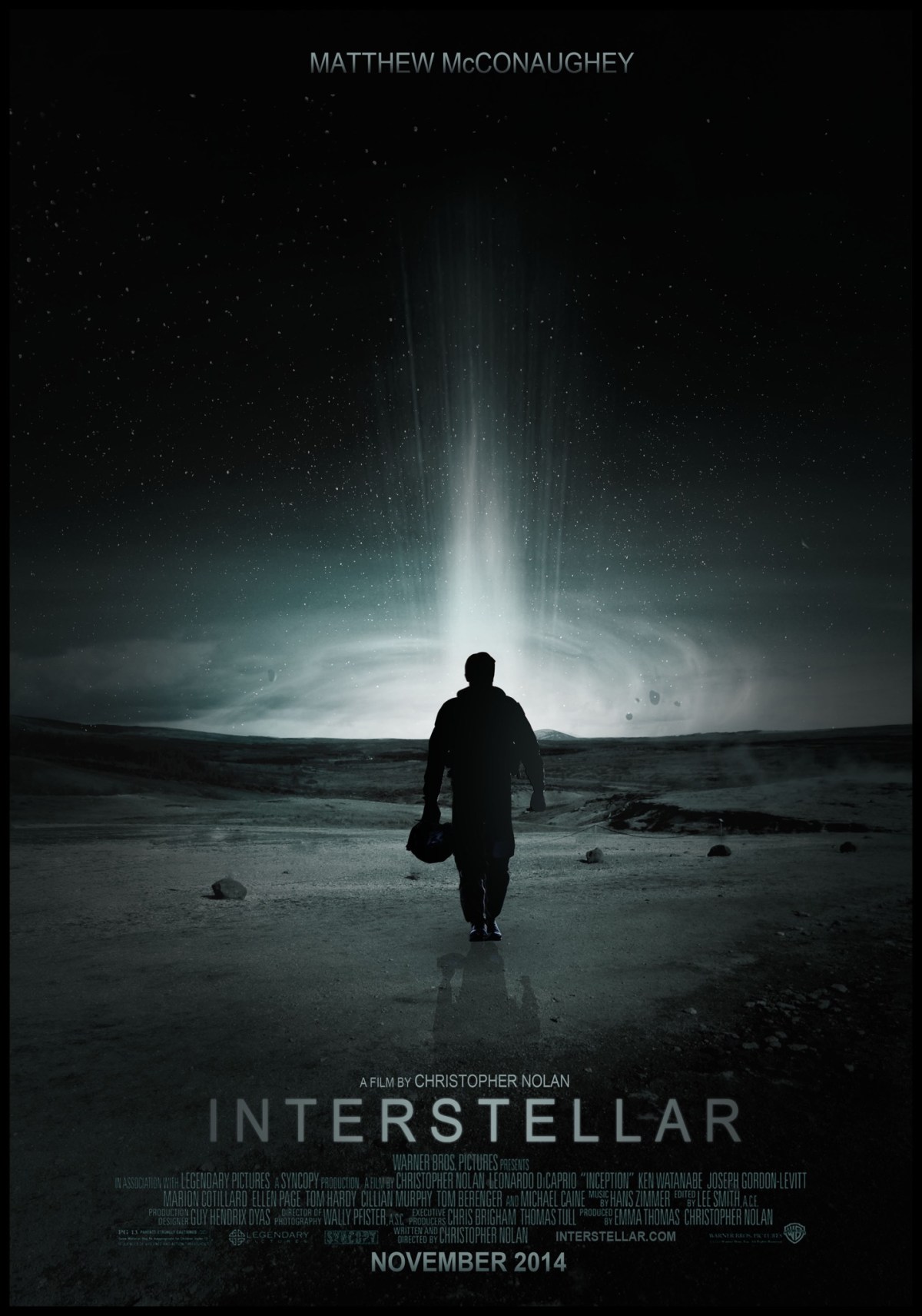
Interstellar (Christopher Nolan, 2014)

Christopher Nolan’s space-exploration epic has transcended being merely a film and has become a kind of international event. With its sprawling starscapes, well-thought-out science, huge cast and mind-blowing visuals, this was always bound to get people talking. It’s a shame that I didn’t enjoy it very much at all.

IMG_9858.JPG

Before I start, I should say that I watched it an IMAX cinema. I’ve heard stories about different experiences depending on which cinema you’ve seen it at, but mine certainly wasn’t a pleasurable one. The film starts with a blasting soundtrack, so ear-piercing it makes the viewer feel uncomfortable. The discomfort never truly goes away throughout the film, but it is most pronounced in these scenes, and sort of lulls back and forth in the background for the rest of the film, making the spoken words more or less audible depending on how Zimmer and Nolan wanted to play it. To add to this, I had the joy of watching it in a busy screening so I was also fighting against the 100s of people who were eating rustly popcorn, chocolates and sweets, slurping drinks as big as their heads, or tucking into crunchy, pungent and hideously over-priced nachos [1].

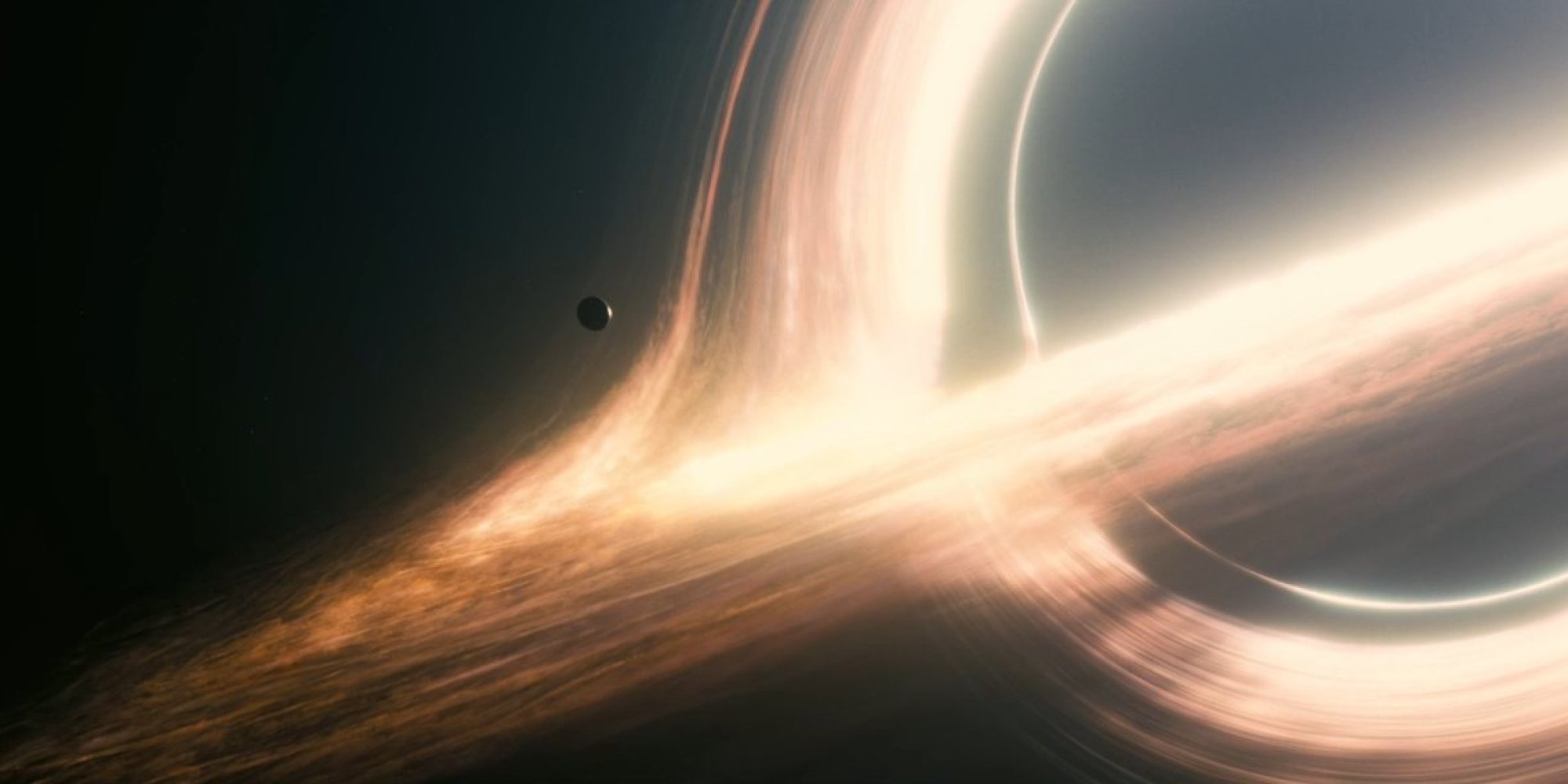
As a visual experience, the film has many merits and if there is one area it should sweep up come awards season, it should be on the special effects. The distant planets are fully realised, tangible places and when we step off into a vast rocky, icy plane we feel completely like we on a place not of this planet but totally real. That probably benefited from being seen at an IMAX, and I was doubly pleased that it didn’t have to tart itself up with 3D visuals that weren’t required.

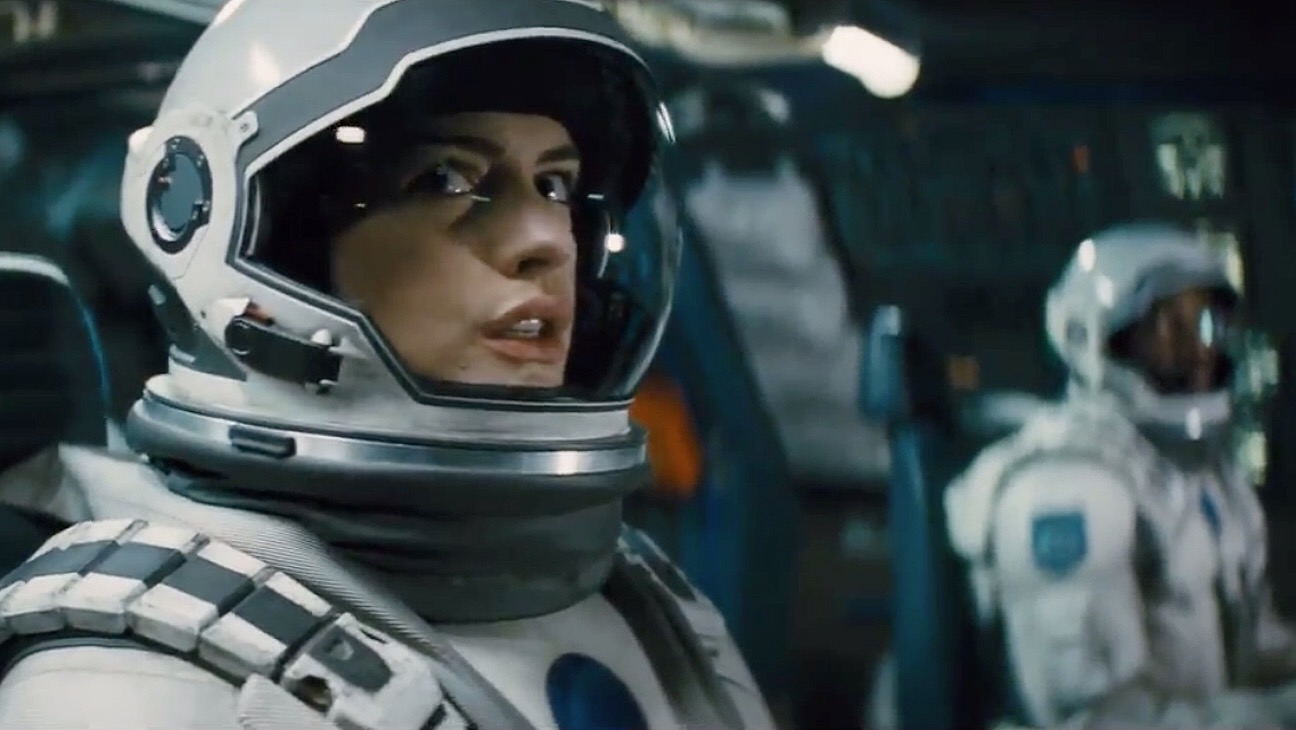
I didn’t think any of the lead actors were at the top of their game. Following last year’s Oscar winning turn in Dallas Buyers Club and a memorable appearance in The Wolf of Wall Street, Matthew McGonaughey was obviously on a high going into this. Bar a highly emotional scene where he starts to receive video messages from his eldest child (played, eventually, by Casey Affleck), the rest of his performance was merely adequate. Anne Hathaway and Michael Caine both did a great job playing the same role they usually play in Christopher Nolan films. It’s just a shame none of these performances blew me away.

IMG_9859.JPG

As the film has many opportunities to have the plot ruined by people, mostly people said to me “It’s good, but the last 40 minutes were completely pointless.” That annoyed me because I was expecting a slump at this point. As much as I resisted, they were wholly right. Up to this point we had a solid, thoughtful action film and in the last chapter it just descended into madness, tripping itself or the audience (or both) up with complicated 5D gravitational bleeding theory and scientific speculation. At one point I actually laughed out loud. I’m convinced the most cinema goers would have been completely lost by the end of the film. Maybe that was the idea. Following Nolan’s previous films, where we were challenged and surprised by the twists at the end (The Prestige is still one of my favourite films of all time, precisely because it has a great twist or three at the end), it was disappointing that the big reveal was so well thought out but yet so poorly communicated. Perhaps they needed to have a 30 minute lecture before the film introducing us all to the work of theoretical physicist Kip Thorne. Maybe an idea for the Blu-Ray release [2].

I’m not going to sit here and recommend you don’t see this film. It’s just an opinion, and seemingly one that goes completely against the grain of everyone I’ve spoken to. I just didn’t think it was as good as the hype, nor as good as Nolan’s previous efforts. All-in-all, a bit of a let down.

Interstellar is out now at cinemas worldwide.

[1] = Why-oh-why would you choose to do spend so much on food at a cinema. A cinema of all places? It’s so expensive and you annoy everyone else at the same time. Have we, as a nation, become so obese that we can’t make it through a three hours screening without doubling our calorie intake for the day? I think it’s a serious issue and indicative of where society has taken itself that we must consume unhealthy food every couple of hours. No wonder there’s an obesity problem. It reminds me of the guy in China who buys every single ticket to a screening at his local cinema for once a week, which is increasingly seeming like a good idea (though I don’t think I could justify the £2k spend each time to be honest).

IMG_9860.JPG

[2] There’s a great explanation of the science behind the film over at Screen Rant. It’s full of spoilers but if you’ve already seen the film and want a bit of a nudge on what was happening, that’s a great place to start.

Films I’m Excited About – Autumn/Winter 2014

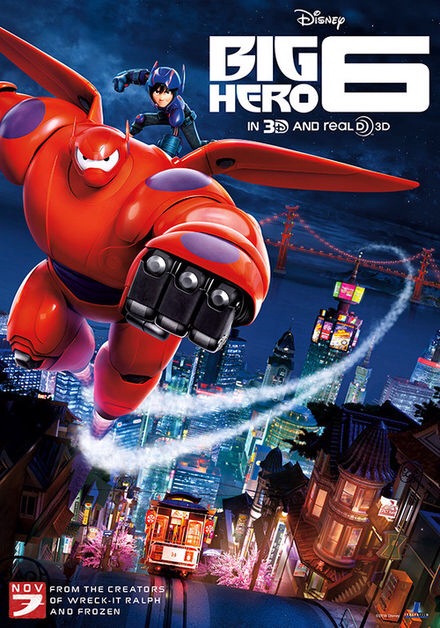
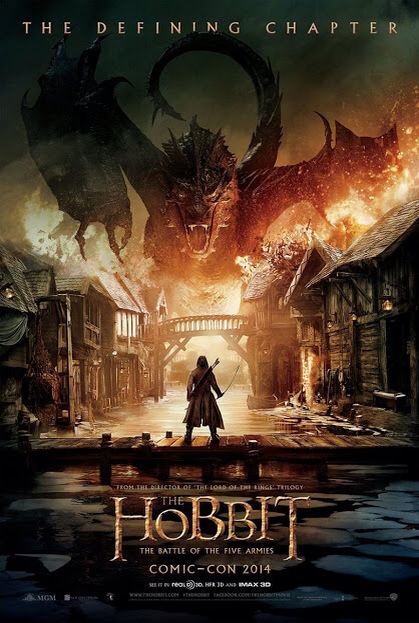
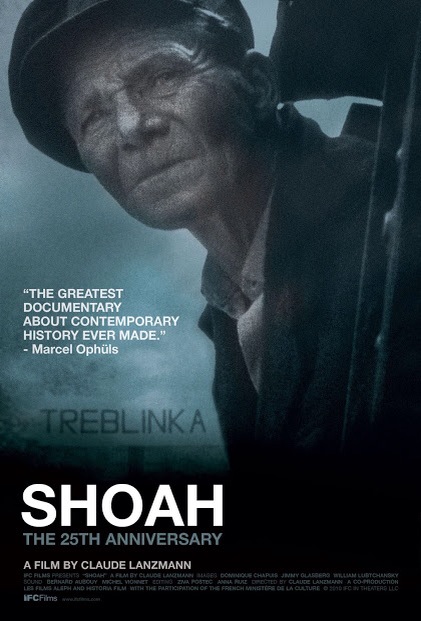
There are quite a few films in dying to see at the moment. Here are a handful of them: Big Hero 6, Bayonetta: Bloody Fate, Interstellar, The Hobbit: The Battle of the Five Enemies and Shoah.

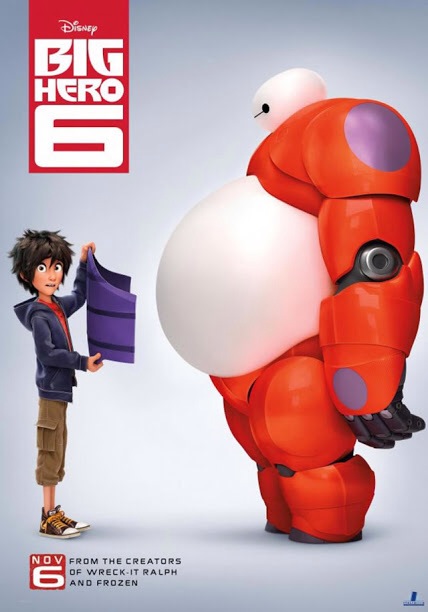
Big Hero 6 (Don Hall and Chris Williams, 2014)
Release date: 7th November 2014
This came out in Japan earlier this week. It’s an interesting prospect. Disney have capitalised on their purchase of Marvel Studios and raided their vaults for untapped stories and potential franchises. The first one, Big Hero 6, concerns a child genius Hiro, his self-designed personal robot Baymax, their team of crime fighters and a sinister plot they fight to get to the bottom of. So not really classic Disney. This will enter as 54th on the list of Walt Disney Animated Classics, and I suppose Disney are hoping it will do well both at the cinema and in merchandising. For me, I’m really excited about it. I am, however, cautious. There is a huge risk that it pitches itself right in the middle of everyone who could like it, alienating all of them in the progress. It certainly won’t be as successful as Tangled or Frozen, and films traditionally aimed at boys (gender stereotyping alert but you know what I mean) tend to be less successful – even excellent films like Meet The Robinsons often get overlooked and then forgotten. However, with solid reviews and a hilarious trailer it could hit the ground running next month.

IMG_9356.JPG

Bayonetta: Bloody Fate / ベヨネッタ ブラッディフェイト (Fuminori Kizaki, 2013)
Release date: 24th November 2014
Okay so it has been out for over a year in the Asian markets, but Bloody Fate will finally see an English-language release next month courtesy of Funimation. It has received mixed reviews so far, but the trailer shows off just how over the top it is and it promises to be of a similar tone to the games. Unfortunately we’ll have to settle for a Blu-ray release as I don’t know any cinemas that will show it.

IMG_9357.PNG

Interstellar (Christopher Nolan, 2014)
Release date: 7th November 2014
Because… Have you seen the trailer?! Christopher Nolan is one of the greatest filmmakers of out generation and keeps turning out films in new genres that challenge and excite audiences the world over. Having been linked for a long time with the upcoming Star Wars trilogy, it’s almost intentional that he has made a film set in outer space, like he’s pointing out the downside of getting involved with an already established franchise whilst making a mind-blowing one-off that is sure to be a huge success. This is one that has to be seen at an IMAX, apparently. To be fair, I wholeheartedly believe this is the case with Gravity, so I can fully see why people are saying the same about this one.

IMG_9358.JPG

The Hobbit: The Battle of the Five Enemies
Release date: 12th December 2014
I think by now we’re all in agreement that this trilogy should have been a maximum of two films. There has been a thorough exploration of everything in the book, but perhaps this came at the expense of a faster pace and a set of films that grips viewers from start to finish. That said, they have been a visual spectacle and I’ve enjoyed seeing a great collection of fine British actors uniting on the big screen to tell such a fantastical story. I’ll be there on opening weekend making sure I don’t miss out on the fun.

IMG_9360.JPG

Shoah (Claude Lanzmann, 1985)
Release date: January 2015
Released in the middle of the 1980s and clocking at a huge nine hours and twenty-three minutes long, Shoah is not a documentary to be entered into lightly. It has a controversial reputation but on a critical level the film has always been highly rated. Now seeing an HD release courtesy of the Masters of Cinema, now is your chance to see this masterpiece in the comfort of your own home – crucially with ultimate control over when you take a break from the action.

IMG_9361.JPG

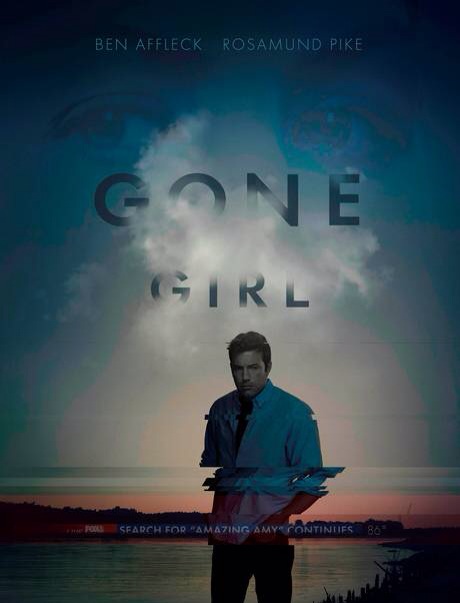
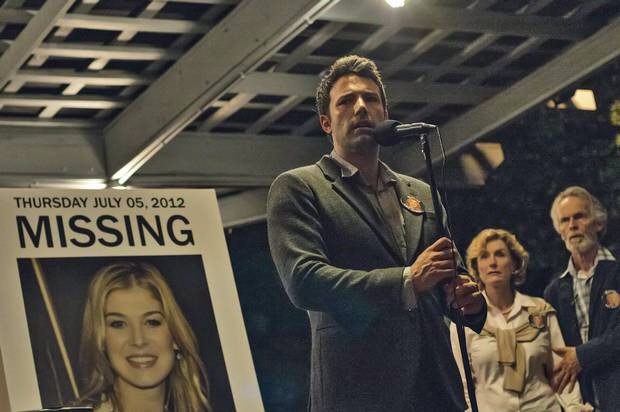
Gone Girl (David Fincher, 2014)

Based on the novel of the same name by Gillian Flynn, Gone Girl deals with some pretty hefty topics: dishonesty, the media, the recession. It’s a powerhouse of a film and one that will surely be busy come the awards season next year.

The film opens with a title sequence of quickly cut still-camera shots of various (at the time) inconsequential locations, soundtracked by an uneasy score by Fincher favourites Trent Reznor and Atticus Ross. The manner in which this is portrayed, as if someone is recounting evidence from memory, is designed to throw the viewer. The cast and main crew are also listed, but they aren’t on screen for long before fading away. It put me on edge and was a very original and effective way to set the tone before any of the plot unfolded. This discomforting tone was continued throughout, usually exacerbated by the jarring score.

The plot centres around Affleck, very effective in the role of Nick Dunne, a man accused of murdering his wife Amy (played by Rosamund Pike). He vehemently denies the accusations, but slowly realises that proving his innocence is not going to be a straightforward task. The journey is one that had me gripped from start to finish, and on several occasions my wife and I looked at each other in shock at the new twists we were being thrown – the sign of a wonderful thriller.

IMG_9339.JPG

Affleck’s career about-turn is quite astonishing. After starting off promisingly in the late 1990s, by 2005 his reputation within the industry had withered and it was even worse amongst the general public, his name being dragged through the tabloids time-after-time and dwarfing any positive publicity that might have been doing the rounds for his cinematic outputs (though when you release Daredevil and Gigli in consecutive years those kinds of reviews are harder to find). When he finally came back with critically-acclaimed films like Hollywoodland and Gone Baby Gone, the cinema-goers didn’t jump on the bandwagon immediately, probably because by this point he was seen as tabloid fodder rather than a respectable artist. It is perhaps this experience with the wider media that gave Affleck a reality on which to base such a memorable performance, with Dunne struggling against the media to maintain his reputation amid accusations that seem to take on a life of their own, certainly beyond the police investigation (and probably influencing their opinions too). It’s a perfectly pitched performance from a highly skilled actor.

The film is not without its limitations. The ending seemed a little bit confused, as though everyone involved couldn’t decide where or how to end it and tagging on a couple of extra scenes that maybe could have been cut. There is a lack of resolution that leaves us wanting a little bit more, which isn’t always a bad thing but in this case frustrating. It was perhaps intentional, though I can’t immediately offer a reason why it was intentional. It’s hard to discuss without ruining the ending, so I’ll leave it there.

Rosamund Pike is an absolute revelation as Amazing Amy. I’d be surprised if she’s overlooked in Oscar season for a performance as good as this. Equally, Neil Patrick Harris plays a convincing and effective role as Desi Collings, the disturbed and disturbing ex with twisted motives to get involved with the situation.

This is the first feature film adaptation of Flynn’s work – the second will be released next month in the form of the Charlize Theron-starring Dark Places – and you can clearly see the influence of her background working in the media. The subtext of the plot is really a lambasting of the modern media and their influence on people’s lives, sacrificing one person’s privacy for the sake of a good story for the wider population to enjoy.

Ben Affleck is going from strength to strength and Gillian Flynn has given us a completely gripping story and one that offers plenty of promise for her future writing output. With the mighty David Fincher at the helm and adding another top quality title to his catalogue of first class films, seeing it is a no brainer.

Gone Girl is out in cinemas worldwide now.

The Imitation Game (Morten Tyldum, 2014)

Every so often I see a new film that absolutely blows my socks off, where the storyline sits perfectly with my mood and I get totally enthralled in the joyous and rare occasion of seeing what could be one of my favourite films of all time. The Imitation Game was one of those films.

It is a film in three intertwined parts, covering three key periods of Alan Turing’s life: the schooldays in which Alex Lawther plays a young Turing, complete with serious bullying and a growing fondness of his best friend Christopher; the war years, where he devises and eventually builds the Turing machine that eventually cracks the Enigma code (sorry, spoiler alert!); and the early 1960s when he is investigated and prosecuted for his homosexuality. All three are critical to giving us the full picture of Turing throughout his life.

IMG_9227.JPG

Cumberbatch’s ability to transform himself and become his subject is uncanny, perhaps rivalled only by Michael Sheen by today’s younger actors for chameleon-like abilities. Having seen him in so many different roles (for range you can compare his performance as Smaug in the current Hobbit trilogy to his powerful turn in 12 Years A Slave), he never ceases to amaze me as to how there’s such little crossover between his characters. And so it is here: a totally unique take on a totally unique person.

The scenes during which the machine is developed and successfully executed is the real joy to behold. The take on Turing has no elements of a stereotypical cinema autism sufferer; this tale is set in the real world and without any intentional throwaway punchlines. People with severe autism often find themselves – intentionally or not – having disconnected exchanges with others in real life that to outsiders seem very hilarious, though the comedy here is brought to life by the chemistry with his on-screen companions. Perhaps the best example of this was the Armed Forces interview with Charles Dance, which almost completely ruins Turing’s chances of taking part in the war efforts. I won’t explain it, but it is certainly a highlight.

I imagine the film will come under criticism from people accusing it of being a slightly jingoistic, self-appreciating celebration of how great Great Britain really was back in the day. Very little screen time is given to even mentioning any other country’s war efforts. The truth is that Britain really were the only nation involved with the Turing machines and cracking Enigma, but this film isn’t about a war but about a man. In any case, it’s not only a celebration of a fantastic collaborative effort of some of the greatest minds of a generation, but also a celebration of a time when it was okay to be a proud Brit; when we had plenty to be proud of on a global scale. And jolly good it was too.

IMG_9228.JPG

I’d love to contribute some criticism of it and counter balance why I think negative aspects are acceptable, but nothing springs to mind. The support cast (Keira Knightley, Martin Strong, Charles Dance) were phenomenal, and ensured this didn’t turn into a one-man-show. The music was truly sublime and fitted the mood well. There really wasn’t anything to say that could be considered negative.

Please, do yourself a favour. Watch this film.

The Imitation Game is released in UK cinemas on 14th November and in the USA on 21st November.

Ruggles of Red Gap (Leo McCarey, 1935)

Having recently watched McCarey’s excellent Make Way For Tomorrow, I thought I’d dig below the surface and watch some of his other films. I came into Ruggles of Red Gap knowing nothing about Charles Laughton and the other members of the cast, and very little about McCarey. I have to say that on first impression, I am very disappointed.

Laughton portrays Ruggles, an English valet who is working in Paris but is transferred to America to work for a brash American (confusingly portrayed by Charlie Ruggles). Once in Washington, our valet develops as a character and grows in confidence, going from obedient servant to full independence, eventually deciding to open his own Anglo-American restaurant.

Laughton biographer Simon Callow, in a key bonus feature on the UK Masters of Cinema release, discusses in great detail his opinion on the performance and his disappointment having watched it. In context, he was comparing him to his great performances as the Hunchback of Notre Damme and as Henry VIII, to name a couple. I have not seen these, but I wholeheartedly agree with everything he says. I’d go further – as an Englishman, the whole thing is utterly insulting.

The Ruggles that is portrayed is a bumbling Brit that would leave any aristocratic servant-employer worried for their own safety. Indeed, I’d probably ask for a different waiter if I was served by Ruggles in a restaurant. The portrayal leaves the viewer with an air of discomfort. There’s something going on between his flickering eyes and his awkward body language that made me want to look away. In hindsight, I think it was Laughton’s attempt at comedy. Perhaps it was “of the time”, but it really hasn’t aged well.

That he can’t find any route out of servitude until he goes to America, which is patriotically portrayed here – unashamedly – as the land of the free, is undermining of Britain. With very little knowledge of Laughton as a person, I’m willing to guess that he must have been very anti-British to accept such a role.

The film was hugely popular amongst American viewers and very much not popular in Britain, and for the reasons just mentioned I can understand why. Having listened to Callow speak so fondly of Laughton and McCarey, I’m really keen to seek out something that justifies their enduring popularity. I’ll gladly welcome any suggestions!

Ruggles of Red Cap is available now in the UK on Blu-ray and DVD.

Oscars 2014 – What missed out

20140302-181314.jpg

With the Oscars taking place later tonight, I look at the films that have been overlooked by the Academy.

Monsters University
20140302-181458.jpg
Okay, it wasn’t the best picture Pixar has come up with over the years. It wasn’t even the best Monsters film they’ve produced. That said, they did find space for The Croods in the nomination pool, which was fine but could you really say it was better than MU? If Pixar had released The Croods, there would have been mass derision. Miyazaki’s The Wind Rises is a hot tip to take the prize this year, but I can’t comment until it gets a UK release.

Rush
20140302-181717.jpg
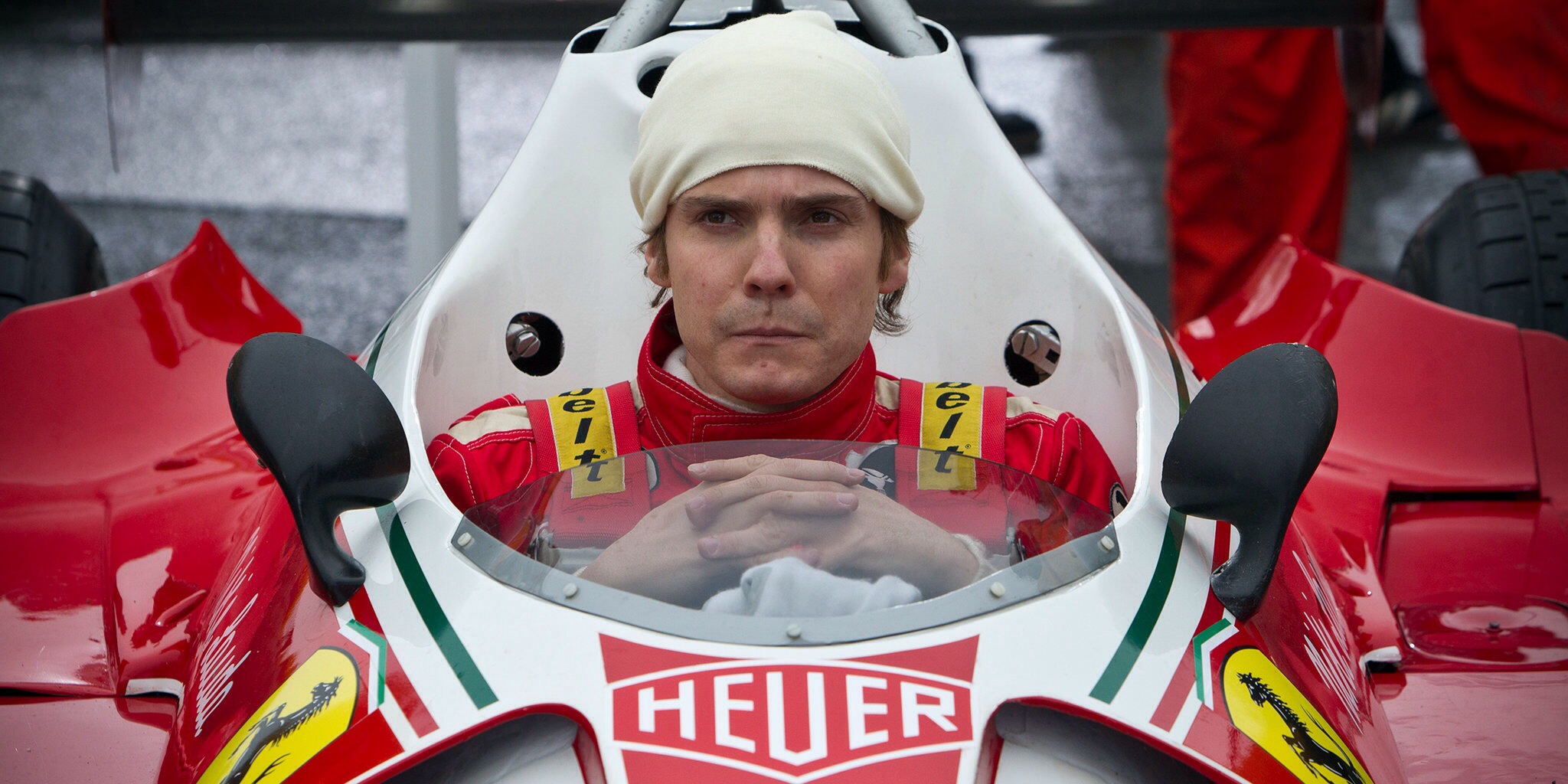
I feel like this film has suffered because it wasn’t released in the typical awards season. It didn’t play by the book. It came out back in September 2013 and performed well at the box office without an Academy recommendation. Bruhl and Hemsley were both outstanding, not just as eerily accurate take-offs but as flawless acting performances in their own right. The recreation of the classic races was spot on from Howard and the story was as exhilarating as the action. In my eyes, it could have easily come in as the 10th film on the best film list. To not even get an appreciative nod for best makeup (Bruhl’s scarring was critical and spot on) or visual effects (though admittedly this was a strong category this year) is surprising.

Inside Llewyn Davis
It’s the Coen brothers latest release and they usually get nominated, right? Not this year. Whilst it’s a strong year for nominations in the Best Picture category, it should have received a nod for best song. In fact, whole soundtrack could have been considered. It received one for best sound mixing, which is a bit of a throwaway category overall. At least it was appreciated on some level.

The Hunger Games: Catching Fire
20140302-181550.jpg
Okay, I don’t agree that this film should have been nominated for best film or best acting or anything else. However, the song “Atlas” by Coldplay is easily one of the best original songs in what was admittedly a poor year for soundtracks. It’s a shame they had a song on the list that was later disqualified, especially one as awful as “Alone, Yet Not Alone” by Bruce Broughton and Dennis Spiegel. There was also space for the bland “Ordinary Love” by U2. Neither of these should have made it and they would have made room for “Atlas” and, well, anything from Inside Llewyn Davis or Her.

Saving Mr Banks
20140302-181628.jpg
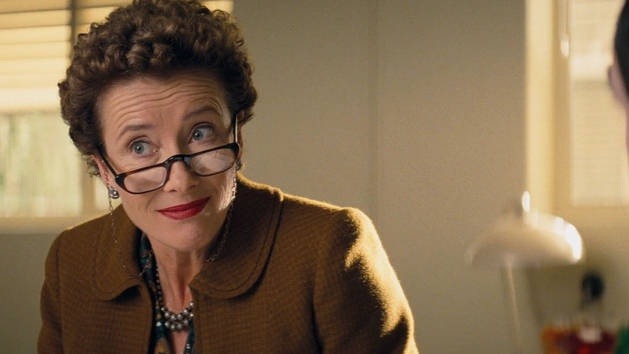
One of the biggest and most talked about shocks was the lack of a nomination for Emma Thompson in Saving Mr Banks. It’s frustrating to see Meryl Streep nominated for the 18th time for a role that she will never win the top prize for when Thompson could have been a front runner for.

Nymph()maniac
20140302-181509.jpg
I would have loved it if the Academy could have found it in themselves to nominate Uma Thurman’s fantastic supporting performance in Lars Von Trier’s latest film. It blew me away and really stood out in what was otherwise a pretty bland film. That said, it may not have qualified this year so we may have to wait another year before we see if this – and indeed Christian Slater’s excellent performance – was overlooked.

Elsewhere
Tom Hanks missed out twice for Saving Mr Banks and Captain Phillips, the latter being the biggest shock as it is probably his best performance for over a decade. Whoever thought the cinematography in 12 Years A Slave wasn’t worth noting must have been on drugs. Nothing for Robert Redford’s performance in All Is Lost was also a big surprise, though I’m not convinced Redford lost any sleep over it. The Butler was a massive omission but maybe a little too much like a typical Oscar nominee.