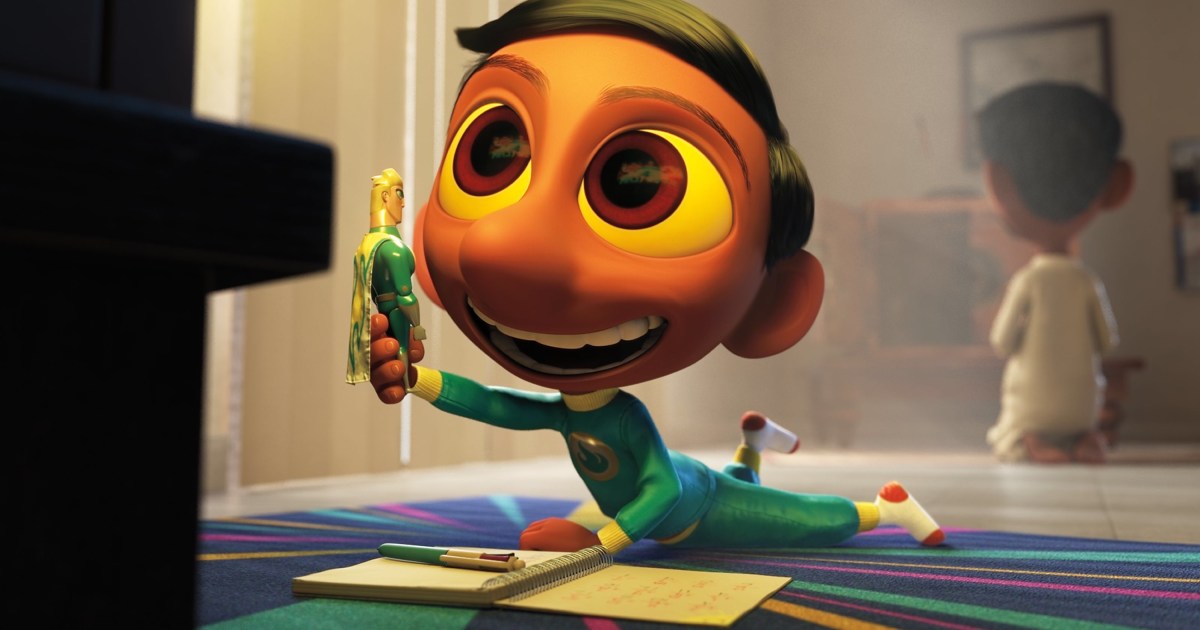
If you were keen enough to get to the cinema early enough before The Good Dinosaur, one of the worst Pixar feature films thus far, you’ll have been treated to Sanjay’s Super Team, one of the worst Pixar short films thus far.
Sanjay realises just how bad The Good Dinosaur is.
The story, based on the true memories of director Sanjay Patel, revolves around him as a young child and the conflict between him wanting to enjoy a superhero TV show and his father wanting him to join him in prayer. Frustrated when his father turns the TV off and forces him to pray, Sanjay uses his time of reflection to daydream into a strange world where his Hindu gods are more like superheroes.
The cel-shading technique used in the daydream sequences is a bit of a let down and feels like a quick solution, despite the best efforts to make it look as colourful as possible. I couldn’t help but imagine how good it would have looked with more attention to detail.
This is a film about a child having doubts over his beliefs and a clash of cultures. Whilst many won’t understand the precise religious and cultural aspects at play, most will appreciate the story from the position of a child not wishing to have to follow in the footsteps of the parents. In principal I don’t agree with using religion as a basis of children’s entertainment, but it works well in this case to create a story for the older audience members.
Unfortunately, the overall result is a bit bland. There was no dialogue, the brilliantly coloured dream sequence lacked any real wow factors and it didn’t move fast enough to make use of the lengthy running time for a short film. The children in the audience voted with their restlessness and disinterest.
In this sense, it was the perfect warm up for the main feature.
The original Star Wars film was released on 25th May 1977. In the intervening years the dialogue, costumes, storylines, goofs, action figures, trading cards and just about everything else has been cross-analysed and dissected to the minutest of details, leaving the world full of Star Wars nerds always willing to provide you with an additional piece of information to “impress” you. Fans of the films hate being left behind on the details and the dedication to all things Force-related has subsequently reached unrivalled levels.
However, as Star Wars Fever grips to world again in the run up to the release of The Force Awakens, it’s difficult to stay on top of the facts of the new films. There are a few familiar faces but for the most part it’s new characters, creatures and worlds. Whilst the only way to secure your status as Force Awakens Trivia King is to watch the film several times when it hits cinemas, the film is over three months away from the big screen. What if there was a way to get ahead of the game?
Thankfully, this article is on hand to provide the lowdown on the best previous acting efforts of the main characters of the film, meaning you are familiar with their body of work and can show off your wider cinema knowledge closer to the time.
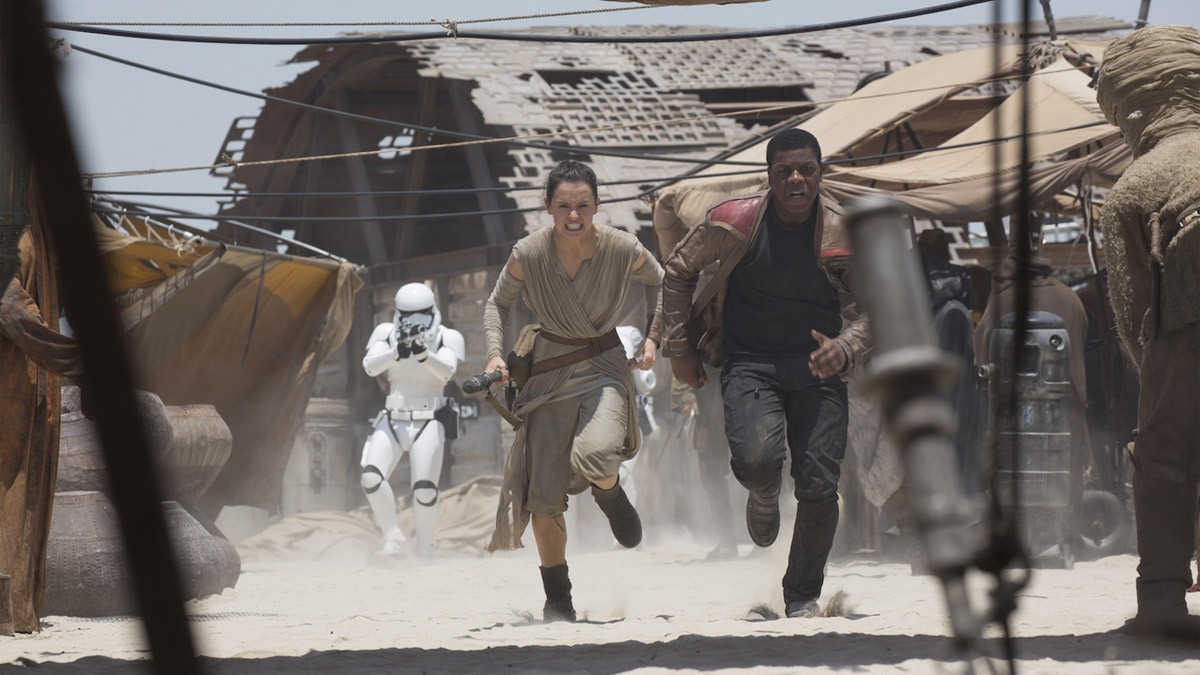
JOHN BOYEGA AS FINN Essential viewing: Attack The Block
C’est Finn
Surnameless Finn is the lead character in the new film, seemingly the good guy with a dark past as a stormtrooper. The scant details we’ve had on the character is mirrored by the limited previous performances by the actor portraying him, John Boyega.
His biggest role by far was in the much-celebrated Attack The Block (Joe Cornish, 2011), the British sci-fi coming of age action film where Boyega played Moses, the leader of a gang of youths fighting back against an alien invasion. It was an impressive turn and as a newcomer garnered him with a lot of attention, and rightly so.
If you want to go that extra mile you could seek out the wonderfully gritty British drama Junkheart (Tinge Krishnan, 2011). He has a small role as Jamal in a film that’s really all about its two lead characters, but you will get to see a fantastic film and out-nerd all your friends.
Of course, all of this will be dwarfed by his appearance in The Force Awakens and he is entering a world of super-stardom along with Daisy Ridley, another relative newcomer.
DAISY RIDLEY AS REY Essential viewing: Star Wars: The Force Awakens Trailer
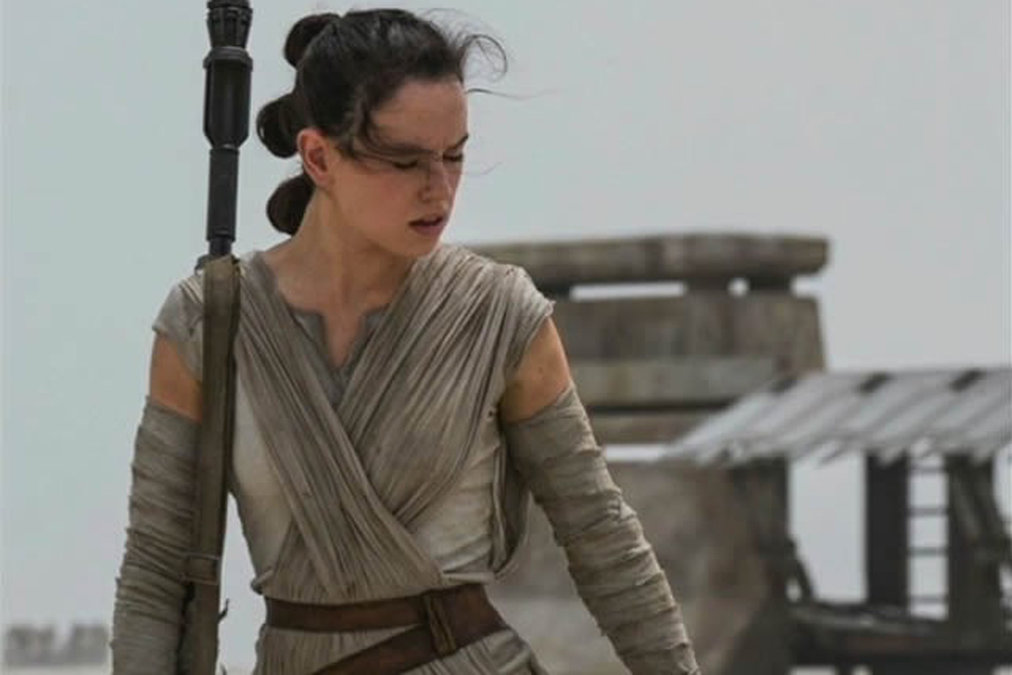
Who Rey?
If a small proportion of Star Wars fans had heard of John Boyega before they announced he’d bagged the lead role, an even smaller proportion had heard of Daisy Ridley. Outside a handful of one-off appearances in the likes of Casualty, Silent Witness and Mr Selfridge, she also acted in The Inbetweeners 2 (Damon Beesley and Iain Morris, 2014) only for her scenes to be deleted. She has voiced Taeko Okajima in an English dub of Japanese anime おもひでぽろぽろ / Only Yesterday (Isao Takahata, 1991), though that hasn’t been released yet (there is a perfectly good version already available on Blu-ray and DVD should you want to check out a fantastic film).
So that brings us to the one thing she has been in that’s readily available to us all: the video to Wiley’s track “Lights On”, which you can see below.
There’s also an interactive film at the Life Saver website, though you’re going to have to play through parts one and two to get to part three.
OSCAR ISAAC AS POE DAMERON Essential viewing: Inside Llewyn Davis, Ex Machina, A Most Violent Year
I knew the new Star Wars film would get an Oscar.
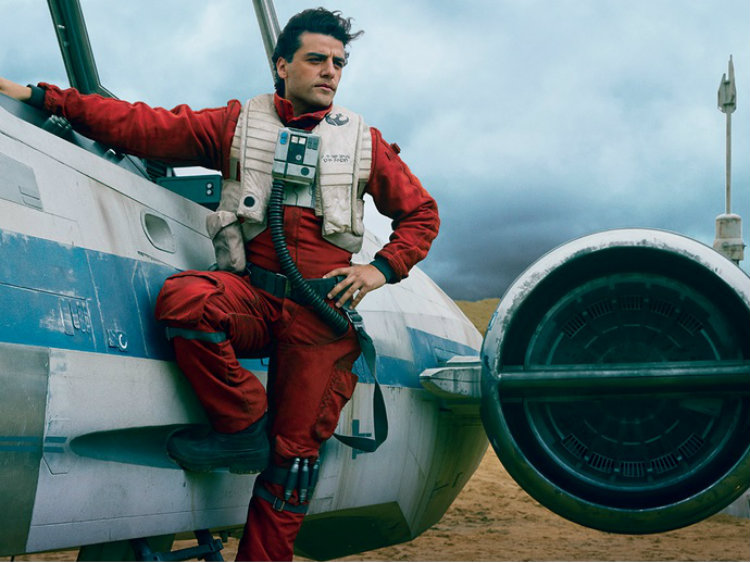
If there’s one actor in the new film you’re going to get a lot of joy out of, it’s Oscar Isaac. He has a filmography covering a wide range of genres and they’re mainly hugely enjoyable. Your starting point should be Inside Llewyn Davis (Joel and Ethan Coen, 2013). It’s especially good if you’re a huge fan of folk music, but his performance in the title role as a struggling and troubled artist is a great example of the depth he can bring to a character.
Ex-Machina (Alex Garland, 2015) should be a high priority. Not only does it tick two The Force Awakens actors off your list (Domhnall Gleeson also stars), it is an excellent piece of science fiction cinema.
A Most Violent Year (J. C. Chandor, 2014)shouldn’t be overlooked. Whilst it isn’t one to make an immediate impact, it was critically acclaimed at the time and shows another side to his abilities.
He’s had featured roles in a number of big-budget films, though you may, in hindsight, have forgotten he was in them. Agent Number 3 in The Bourne Legacy (2012), annoying Prince John in Robin Hood (2010) and the hammy Blue Jones in Sucker Punch (2011) all fall into this category. You could track down the film In Secret (2013), which is largely terrible and features Isaac in scenes of an erotic nature with Elizabeth Olsen. One to forget.
ADAM DRIVER AS KYLO REN Essential viewing: While We’re Young, Girls (TV)
Kylo Ren looks pretty badass in everything we’ve seen so far.
Kylo Ren has been the subject of much speculation, perhaps more so than any other character. He’s dark, he’s mysterious. The anticipation is similar to that of Darth Maul in The Phantom Menace (one thing they did get right in that film). The fact he’s hiding behind a mask helps, and his role is probably set to be similar to that of Darth Vader, with Supreme Leader Snoke as this film’s Emperor. Maybe.
As stars of the new Star Wars film go, Adam Driver strikes a friendly balance between having done enough films to show off his talent without having too many to watch to ever get on track. Additionally, for anyone who was longing for the Noam Baumbach film series action figures (strangely yet to appear), you can finally get your hands on a Driver action figure – actually the Kylo Ren Elite Series one is one of the coolest on the market (especially when it is in cosplay).
For a fantastic look at how two-faced he can make a character, then While We’re Young (Noam Baumbach, 2015) is essential viewing. He starts the film as a seemingly innocent and eager filmmaker, only to later turn out to be wholly manipulative and power-hungry individual. It’s likely light-going in comparison to The Force Awakens, but as it’s a rom-com you might be able to have a quiet night in with your other half without them realising you’re researching the new Star Wars film.
He had a brief appearance as a musician in Inside Llewyn Davis (Joel and Ethan Coen, 2014), which is covered in more detail in Oscar Isaac’s section. Driver has a cameo as a deep-voiced musician and his role is almost entirely covered in the clip below, which also features other Star Wars key player Oscar Isaac (as well as Justin Timberlake!).
The quintessential role for him thus far has in fact been on the small screen with his role as Adam Sackler in the series Girls. His role is the boyfriend of the lead character, but it has been celebrated critically and he has received three Emmy nominations for his efforts.
Elsewhere, he had a cameo of note in Lincoln (Steven Spielberg, 2012) as Samuel Beckwith, a brief appearance in another Baumbach film Frances Ha (2013) and recently starred in the lead role in indie film Hungry Hearts (Saverio Costanzo, 2015). There’s plenty to choose from and it won’t be difficult to get up to speed with his work.
ANDY SERKIS AS SUPREME LEADER SNOKE Essential viewing: The Lord of the Rings, King Kong, Rise of the Planet of the Apes
Welcome to the Serkis
If Kylo Ren is a bit mysterious, then Supreme Leader Snoke is a stealth ninja, The Third Man of Star Wars villains. Who knows what he’ll look like? Probably quite a few people by now but they’re all tight-lipped. Let’s say he’s somewhere between a small green goblin creature, a 25 ft. tall colossal gorilla, a seafaring merchant marine captain and solid sound.
What we do know is that Andy Serkis has been involved in a lot of motion capture in his time, receiving many awards and accolades for his efforts. It’s fairly easy to pick a handful of films to get you started, so much so they’re hardly worth mentioning. If you haven’t seen him as Gollum in the Lord of the Rings Trilogy(Peter Jackson, 2001-2003) then stop reading this and immediately go and watch them. All three. Extended versions if possible. After this he put in a criminally underrated performance as the titular King Kong (Peter Jackson, 2005). He also starred as Caesar in Rise of the Planet of the Apes (Rupert Wyatt, 2011) and Dawn of the Planet of the Apes (Matt Reeves, 2014). There are six huge films there, a great weekend to be had by any fan of cinema. The reason he works so well in motion-capture roles is his level of acting and the way that translates to the big screen. One thing’s for certain – Snoke will be a dynamic character with a believable drive.
If you ever get to see the episode of Pie in the Sky titled “Passion Fruit Fool”, you will see the origins of a great actor in a completely throwaway role. Actually don’t. It’s awful.
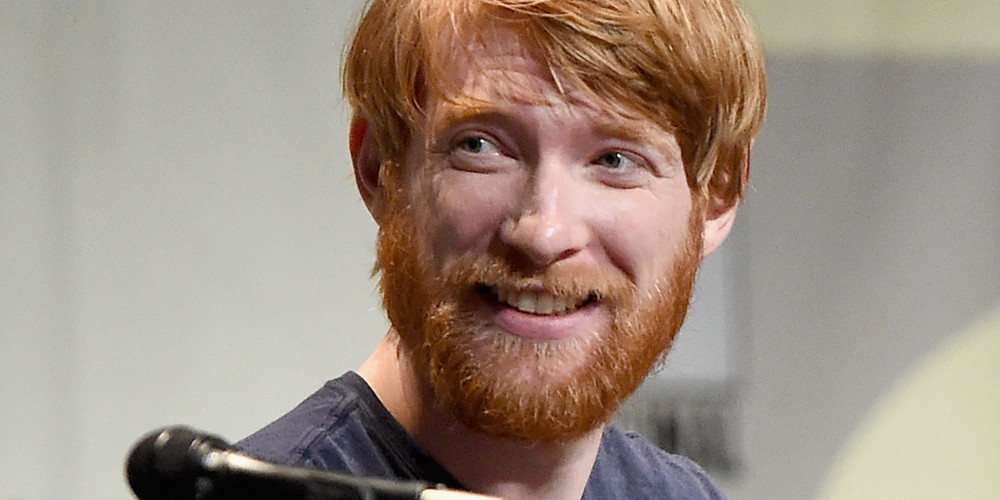
DOMHNALL GLEESON AS GENERAL HUX Essential viewing: Ex Machina, Black Mirror: Be Right Back
He must be evil. He has a British accent.
Little is known about General Hux at this stage. He’s not really featured much in the trailers and none of the merchandise has featured him prominently. What we do know is that he’s part of the Dark Side, a senior figure in the newly formed First Order – an organisation build from the embers of the downfall of the Empire in Return of the Jedi.
Whilst Gleeson might remain a bit of an unknown to the wider public outside his appearances in the two Harry Potter and the Deathly Hallows films (David Yates, 2010 and 2011) as Bill Weasley, he has actually been in a plethora of excellent films since then.
The pick of the bunch is going to be the afore-mentioned Ex Machina (Alex Garland, 2015). It’s a no-brainer as you get to see excellent performances from both Gleeson and Oscar Isaac. Frank (Lenny Abrahamson, 2014) is worth watching, despite its pitfalls as a way of ruining the legacy of a well-regarded British entertainer. British romantic comedy About Time (Richard Curtis, 2013) is one to avoid. The Black Mirror episode Be Right Back (Charlie Brooker, 2013) is a short slice of ingeniously dark satirical comedy and a great way to spend an evening.
You can also see the whole of the Academy Award-winning short film Six Shooter (Martin McDonah, 2004), in which Gleeson cameos as a trolley cart attendant (his first ever role), below.
He’s an actor of real ability and will undoubtedly deliver a haunting performance despite the fact he’s such a nice chap in real life.
By the way, you pronounce his name as if& it is spelled “Donal”.
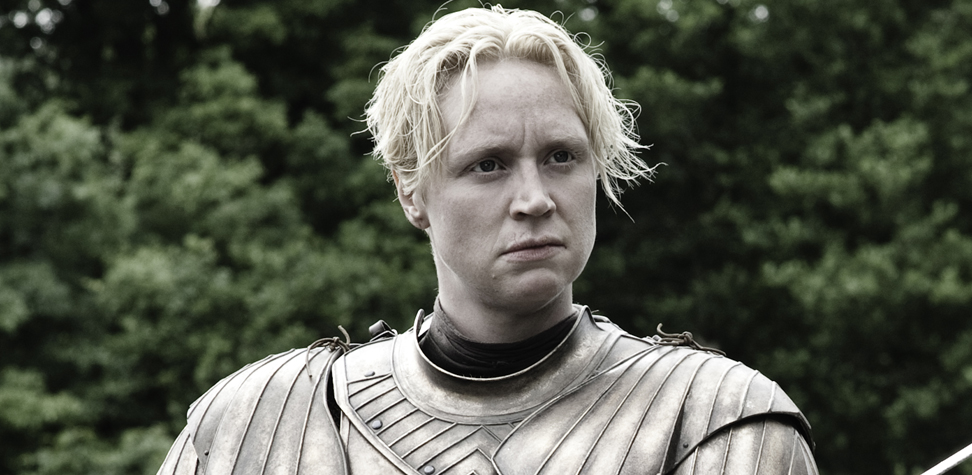
GWENDOLINE CHRISTIE AS CAPTAIN PHASMA Essential viewing: Game of Thrones
Phasma girl
If you’ve been living under a rock for the last few years then you may not have heard of a little show called Game of Thrones. If you’re THAT person, then please leave this blog straight away and catch up with the rest of the geeky world. Brienne of Tarth is a key character from the second series onwards and is also a fan favourite.
Outside of this, her most prominent role to date, Christie has also featured in two Terry Gilliam films – The Imaginarium of Doctor Parnassus and The Zero Theorem – though only in minor roles. She will also appear in the new Hunger Games film, Mockingjay (Part 2) as Commander Lyme. So now you have a legitimate reason to go to a screening of that film other than the strangely taboo reason that they’re all excellent films. The Force Awakens will be her biggest film role to date.
LUPITA NYONG’O AS MAZ KANATA Essential viewing: 12 Years A Slave
Spot the difference
Maz Kanata is, apparently, a female pirate who resides at Maz Katana Castle. The castle serves as a base for other pirates and smugglers and will undoubtedly play a big part for our heroes’ journeys as they beg, steal and borrow the MacGuffins to get to their end goals.
Lupita Nyong’o is a wonderful actress. Originally from Mexico but with a Kenyan father, she had her breakthrough role as Patsey in Steve McQueen’s excellent 12 Years A Slave (2013), for which she won an Academy Award for Best Actress (the first Kenyan and Mexican Academy Award winner). There really isn’t much else to look back on throughout her career (she breifly appeared in the film Non Stop in 2014), but if you’re going to be picky you might as well get an Oscar for your first big role then land a part in one of the biggest events in cinema this century.
Check out a clip from her amazing performance below.
The only reservation about her character is that it is completely CGId. Unfortunately there will inevitably be some CGI in the film but they are rather sneakily completely playing all of it down due to the negativity around Jar Jar Binks. A quick glance back to the Marvel Cinematic Universe films and Guardians of the Galaxy prove that Disney probably won’t get it wrong.
Star Wars: The Force Awakens will be released in the UK on 18th December 2015.
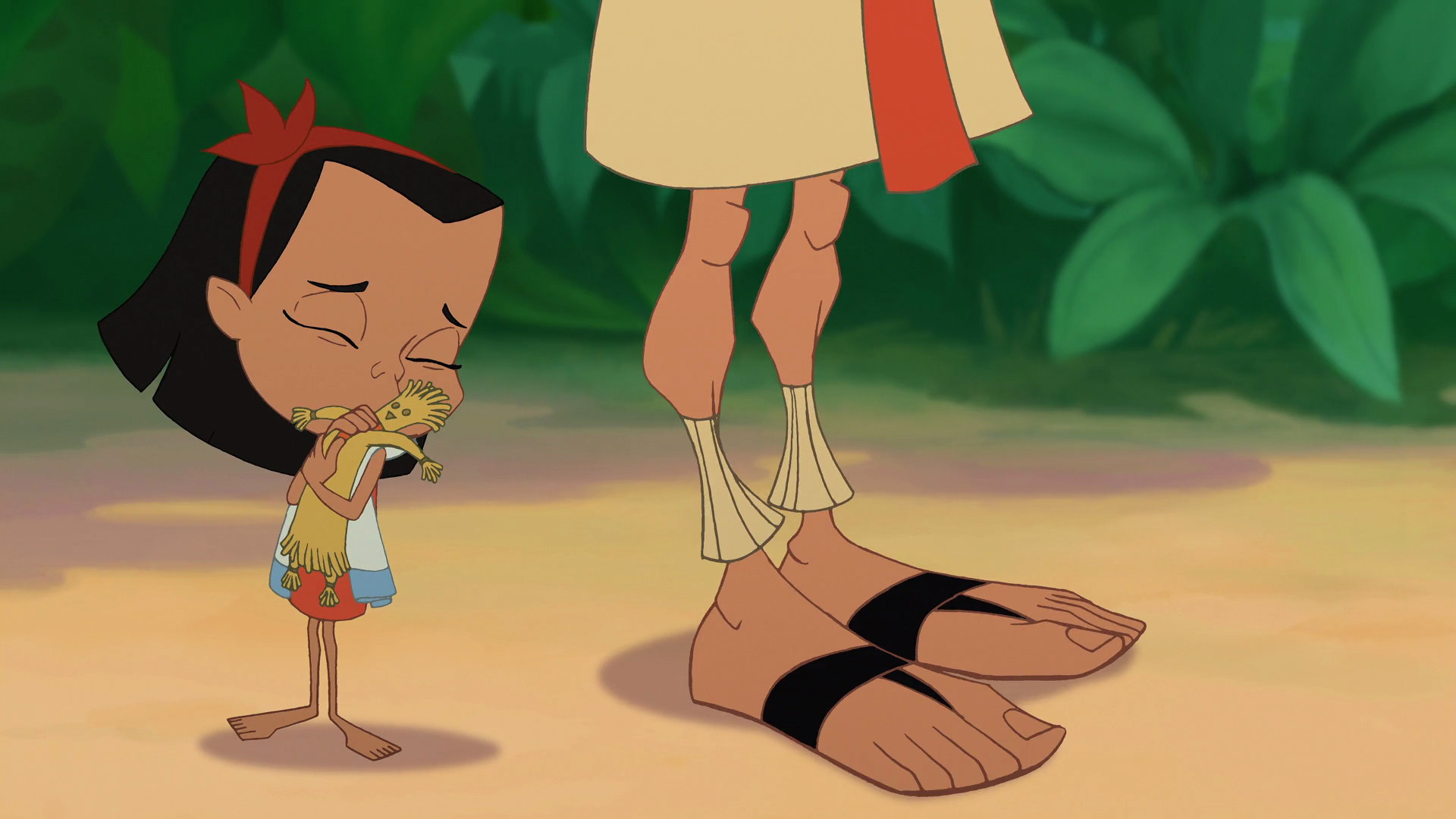
Having recently watched The Emporer’s New Groove, Disney’s 2000 animated film that failed to light up the box office but did go some way to maintaining their credibility amongst an otherwise troubled period, I decided to watch the sequel. Inevitably, Kronk’s New Groove was a direct-to-video release and it also has many of the hallmarks of most of the other Disney films that bypassed the cinema: short running time, sub-par animation and almost none of the magic of the original release.
One thing that is retained is the talented voice cast, including David Cross as Emperor Kuzco (cameo only), John Goodman as Pacha (cameo only), Eartha Kitt as Yzma (cameo only) and, of course, Patrick Warburton as the titular Kronk. It’s quite impressive that everyone was convinced back based on the premise of a flimsy sequel to a five-year-old film, though the fact they were probably only in the studio for a day may have helped.
We do, however, lose Sting’s excellent songs and score that were present in the original (though many of his songs missed out on the original, as fully explained in the excellent documentary film The Sweatbox). Indeed, there are only a couple of songs in the film and they’re pretty forgettable.
The film was so bad it brought some viewers to tears.
Many criticisms on this film centre on the lack of storyline. In truth, the basic premise isn’t even half as off-the-wall as the first film. In this one, Kronk tries to achieve the lifelong ambition of winning the approval of his father (“the big thumbs up from Papi”), trying to hide the fact he is a chef in a restaurant and pretend he has been more of a success. He takes on a scout team (of sorts), falls in love, rips off some old people with an elixir of life. It isn’t too bad, though it is a bit straightforward. It isn’t the storyline itself that causes the issues, but rather the pacing and lack of imagination therein. There’s obviously been a strict budget applied that goes beyond the poor animation and this certainly goes for the lack of time spent on the script and the fact that nobody realised it was completely lacking in humour.
In my opinion, this last point is the over-arching issue. Whilst the first film is full of huge laughs, most of which were memorable and quotable, there is nothing on that level this time around. Most of the gags are parodies of other films but they themselves are outdated: The Matrix and Titanic were both almost a decade old by the time of release, meaning the jokes were no doubt lost on the children at which this is aimed. Not only that, but they would have also failed to ignite any laughter in the parents sitting through it with them.
I don’t think this is quite as bad as the majority of reviews would have us believe (it holds a 0% rating on Rotten Tomatoes). It isn’t a classic, and I can’t recommend you watch it unless you’re a hugely keen fan of the original, but it isn’t a film with out any redeeming qualities.
Kronk’s New Groove is available now on DVD. Strangely a standalone Blu-Ray hasn’t appeared yet.
The Emperor’s New Groove is widely regarded as the first post-Renaissance-period Disney animated film, the studio having seen huge successes with the ten Renaissance-period films bookended by The Little Mermaid in 1989 and Tarzan in 1999. That The Emperor’s New Groove was not part of this is down to an element of production hell, which caused a more serious and epic romantic comedy titled Kingdom of the Sun – in the same vein as The Lion King – to be thrown away before it evolved into the film we know today. [1]
Central to the original film were six new songs written and performed by Sting. Having seen close friends Phil Collins and Elton John experience huge successes with their films Tarzan and The Lion King respectively, Sting was able to approach the project confident that he would have a success on his hands. The songs themselves reveal a lot about the romantic-comedy themes of the film-that-never-was and help us construct what we missed out on.
Kingdom of the Sun concept art
One song we did get to hear was “One Day She’ll Love Me”, a duet with Grammy Award-winning folk-rock singer Shawn Colvin. This appeared on the soundtrack and would have fitted with the original storyline of the pauper (voiced by Owen Wilson) switching places with the emperor and slowly falling in love with his wife-to-be Nina. It was apparently due to appear in a palace party scene and is similar in many ways to “Can You Feel The Love” from The Lion King.
Another couple that appeared on the soundtrack but not in the film were “Snuff Out The Light”, a song to be sung by the villain Yzma (Eartha Kitt); and “Walk The Llama Llama”, a fun song to show the importance of llamas to Incan societies.
Three additional songs that were written by Sting remain unreleased and unidentified. I often wonder whether or not “After The Rain Has Fallen” was one of these songs. The song appeared a year after this film on the album “Brand New Day”, and has a few references that fit (a palace, princess betrothed to a man she doesn’t love) and a few that don’t, but could have been changed to distance it from the film.
Two further songs were written for the new version of the film: “My Funny Friend and Me” and “Perfect World”. The latter was sung by Tom Jones.
So, whilst we were robbed of a film that could have been up there with some of the best Disney films of the 90s, we instead got a delayed film in a completely different mood but is actually a huge success story considering its journey. The plot makes no sense whatsoever – an emperor is turned into a llama by an evil power-hungry adviser, though he is rescued by a local farmer and the two form a buddy relationship to find the potion to turn him back to a human despite the fact he wanted to build a holiday home over the top of farmer’s house. Somehow, though, it works and we end up with a fast-paced, hilarious and beautifully animated feature film that was one of the last successes for Disney 2D animation before they gave up completely on it with the release of the lackluster 3D animated picture Chicken Little in 2005.
There is a generation of children who grew up loving animated films but for the first time in over a decade these were not Disney films. Instead, there were the excellent Pixar films such as Monsters Inc., Finding Nemo and The Incredibles and the successful Dreamworks films like the Shrek series, Shark Tale and Madagascar. Of the Walt Disney Studios films released in this period, which also includes Atlantis: The Lost Empire, Lilo and Stitch, Treasure Planet, Brother Bear and Home on the Range, The Emperor’s New Groove certainly stands out as the best of an admittedly mediocre bunch.
[1] The documentary film title The Sweatbox, which remains largely unreleased but for a few appearances online every now and then (it is owned by Disney), follows the problematic production closely and is worth seeking out. It isn’t the fantastic tell-all story people believe it to be but it is extremely interesting and has a few glimpses of how the original film was shaping up.
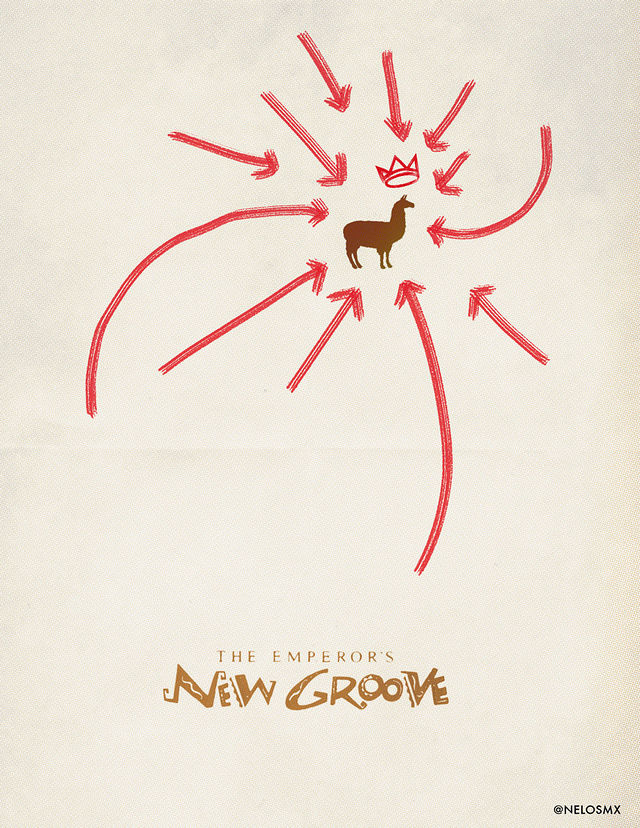
[2] I found the alternative poster for The Emperor’s New Groove on a site called Deviant Art, and it was done by an artist called Alejandro Cisneros. I don’t know much about the artist but his other artwork is really incredible. Check out his site!
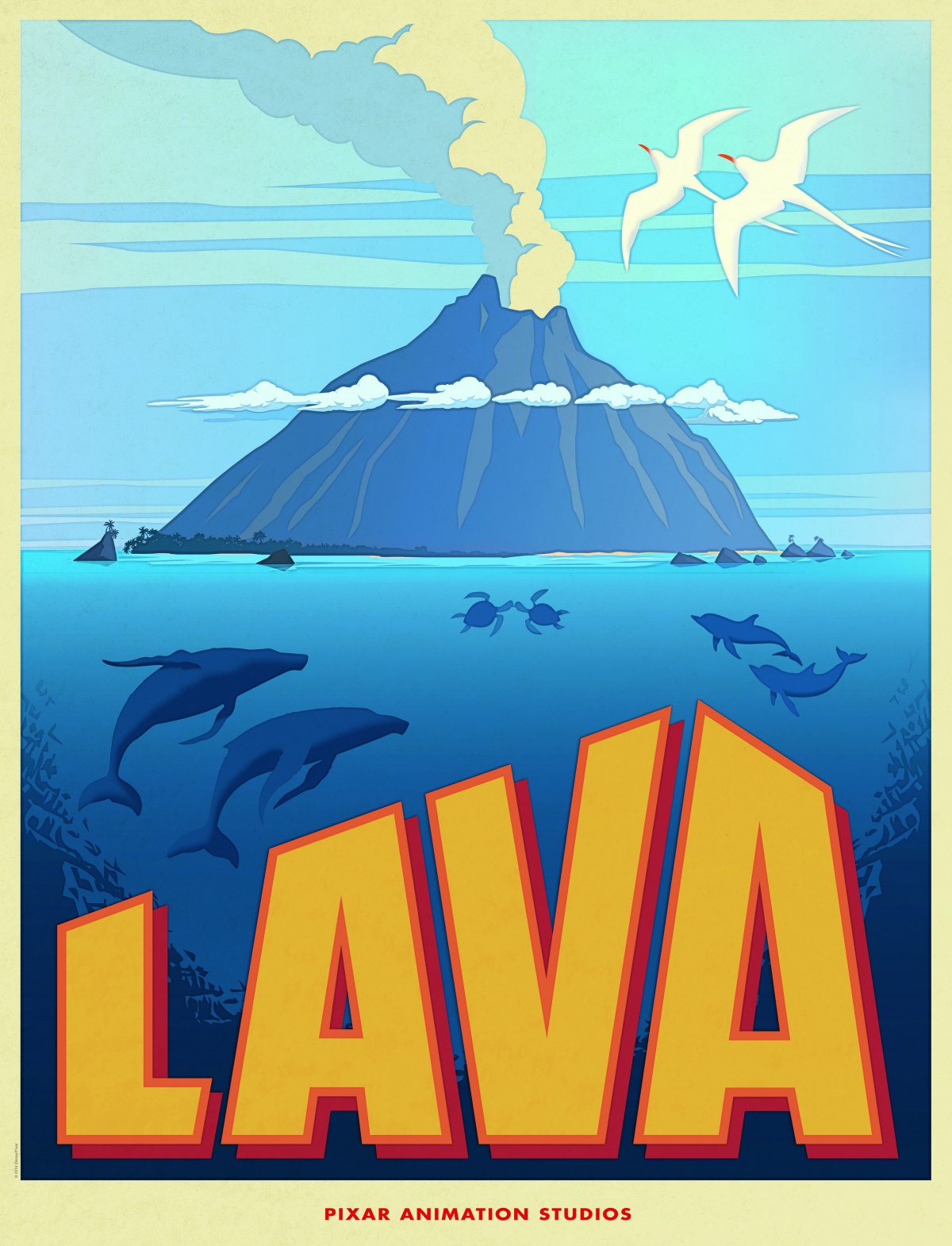
The opening short film you will see before Inside Out later this summer is a sweet film called Lava, probably the first musical love story to take place over millions of years. It involves two volcanoes and is set to a beautiful song sung by Kuana Torres Kahele.
This volcano is in lava.
It was met with audible gasps, sighs and whoops in the screening I saw at this year’s Glastonbury Festival. Please make sure you get there in time to see this volcano’s story!
The latest film from Pixar Animation Studios is one I approached with considerable anticipation. There has been a reluctant feeling amongst close followers of Pixar’s output that they are now running low on original ideas as we are seeing a shift towards sequels rather than original storylines. Of the first ten Pixar motion pictures, only Toy Story 2 was a sequel. Of the following four films, only the poorly received (but excellent) Brave was an original concept. Monsters University was an enjoyable film but not a patch on the original; Cars 2 was on a par with the first installment but that just means neither are good. Only the two Toy Story sequels were both a critical and commercial success and the first of these started life as a direct-to-video sequel.
So when the next few films were announced and they included Toy Story 4 and Finding Dory a lot of questions focused on how many original ideas were left in the tank. It’s cruel to be concerned in many ways, but after such a frantic amount of original ideas pumped so much life into the animation industry it was sad to think it might be slowing down.
However, seeing they were releasing two new franchises was a cause for hope. The Good Dinosaur will be seen in cinemas later this year, but first up is the film set to be a summer blockbuster – Inside Out.
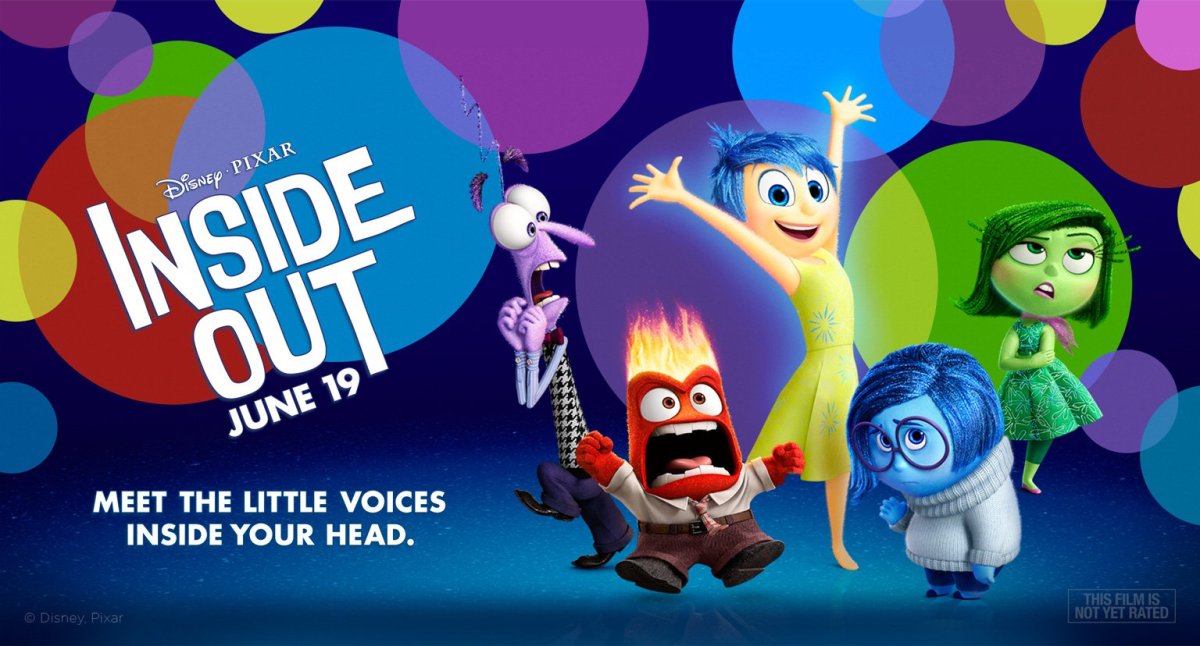
L-R: Joy, Fear, Anger, Disgust and Sadness
The story is an unusual but simple one, much like all the best Pixar films. It is set inside the brain of a young girl named Riley Anderson (Kaitlyn Dias) as she is forced to move house with her parents from icy Minnesota to the slightly milder San Francisco, leaving behind her friends, beautiful house and successful ice hockey team. Her five emotions are represented by five distinctly hilarious characters: Joy (Amy Poehler), Anger (Lewis Black), Disgust (Mindy Kaling), Fear (Bill Hader) and Sadness (Phyllis Smith). Each one controls her emotional response based on how they interpret what she is experiencing, and these are converted into memories in the form of tiny glass orbs, rich in one or more type of emotion, which are stored in her mind for her to recall later.
This concept is highly original and is a brilliant platform for some hilarious cutaway scenes where we see what Riley is seeing and the reaction shots of what to do with our five emotional manifestations. The most memorable case of this was a very typical family meal, into which a lot of careful consideration was evidently given to get the perfect balance between heartfelt and humour.
I won’t ruin any specifics of the plot but I would recommend taking a tissue if you are liable to cry. They reach first-eight-minutes-of-Up levels of emotions.
The real-life characters are highly realistic and the world in which they live is very believable. However, the one place the film lets itself down is with the character design of the five emotions. Whilst they are cutely colourful and well animated, the actual design doesn’t seem up to the standard expected from Pixar and I wonder how it got this far down the line without someone saying it needs to be improved. A couple of other characters – Richard Kind’s Bing Bong and a particularly scary clown – inhabit a wholly different world and have more in common stylistically with Aardman Animation. I can’t help think they were designed with merchandising in mind.
This is truly up there with the best Pixar films, no easy achievement given they have been responsible for so many of the best animated films over the last twenty years. It’s the perfect emotional rollercoaster to ride on whilst celebrating reaching the start of their third decade in the motion picture business.
Inside-Out was previewed at Glastonbury Festival on Sunday 28th June and is set for release in late July in the UK. It is preceded by the short film Lava.
I recently saw the news that there will be a special exhibition opening at the Walt Disney Family Museum in San Francisco on 10th July. Running into January 2016, the exhibition will cover the bond between Walt Disney and surrealist painter Salvador Dali, two men whose creative outputs couldn’t seem further from one another, despite the fact they were good friends who remained in close contact throughout their lives.
You could take every frame of animation and hang it on your wall.
Were you to create a Venn diagram of the creative output of the two artists, the small ellipse in the middle would be represented by the bizarrely brilliant Destino. First conceptualised in 1946, the film was eventually released in 2003 to the general public as an unusual opening short for Calendar Girls.
Destino may have been realised and released 57 years after it was started, but it was worth the wait. It’s a beautiful, dream-like short that has been lovingly created by a team of Parisian artists based on the original storyboards by Dali and studio artists John Hench. I’ve watched it so many times. I won’t explain the storyline – it’s less than 7 minutes long so you don’t have much to lose.
The film can be watched online at YouTube here:
As a resolution snob, the very best way to watch this excellent work of art is to purchase Fantasia 2000 on Blu-ray“>. For some reason the fact it is included on this disc is barely mentioned anywhere other than on the boxart, with Amazon choosing to just describe the somewhat lacklustre film instead. I feel this is an injustice as something as important as this should be brought to the attention of anyone who might be looking. It really ought to show up when you search “Disney Destino” or “Dali Destino”. It’s a no-brainer.
It was nominated for an Academy Award for Best Animated Short in 2004, though both this and the extremely memorable Boundin’ from Pixar were beaten by a short called Harvey Krumpet, which you can watch here.
Walt Disney Studios had a glorious start to the production of full-length motion pictures. The first five releases are still considered to be up there with the best animated films ever released: Snow White and the Seven Dwarves (1939), Pinocchio (1940), Fantasia (1940) Dumbo (1941) and Bambi (1942). However, the early 1940s brought a fresh set of problems to the company. First, a union strike led to a mass exodus of staff (around 40% left). Then, when the US and Canada entered World War II, almost all of the animators and production team were either signed up as soldiers or drafted in to produce propaganda cartoons for the war effort. The main production studio was occupied by US military for various reasons. A disinterested public meant that Bambi sold less than expected.
With a skeleton staff still in place, Disney opted to produce several of what would become known as package films. The first two – Saludos Amigos (1942) and The Three Caballeros (1944) – gave Walt an excuse to leave his normal settings and escape for a few months to South and Central America. Make Mine Music (1946), Fun and Fancy Free (1947), Melody Time (1948) and The Adventures of Ichabod and Mr Toad (1949) followed, though they were approached from a position of compromise. Their sole purpose was to recoup money lost in various venture so, including the production of war propaganda films for cost only.
Whilst these films have their own merits, they were mainly box-office flops and over the years clearly haven’t been as well regarded as the films released before of after this spell. [1]
The films tended to feature several short films on an associated theme (with the exception of The Adventures of Ichabod and Mr Toad, which was simply two unrelated stories fixed together), often based around some kind of musical accompaniment in the same vain as Fantasia, which was a huge success and is a classic film rich in experimentation and ideas. Melody Time, unfortunately, cannot be classed in the same league.
Melody Time features seven mini-musicals. Of note is the reappearance of The Three Caballeros in the short Blame It On The Samba, which gives us another chance to enjoy some crowd-pleasing characters. Another highlight is Bumble Boogie, which is essentially a cut from Fantasia that never made it near to full production at that point. If you’re a huge fan of both Fantasia and Fantasia 2000 then this is another good place to see similar styles. A personal favourite is Once Upon A Wintertime, which features a classic Disney tale backed by a perfectly chosen piece of music.
This film is a curiosity more than anything. It’s not the best of the package movies but stands alongside the Fables releases as something worth checking out to build up a full picture of the company during the late 1940s and early 1950s.
Melody Time is available on DVD but currently there are no plans to bring it tk Blu-ray.
[1] The five films released after the return to full-length motion pictures were Cinderella (1950), Alice in Wonderland (1951), Peter Pan (1953), Lady and the Tramp (1955) and Sleeping Beauty (1959). Some return to form!
The big live-action summer blockbuster for Disney is always hotly anticipated [1]. The previous three summers’ blockbusters were John Carter (2012), The Lone Ranger (2013), Maleficent (2014) [2], and before that there were plenty of Pirates films to chew on. These have all been at worst reasonable sellers but have received middling to good reviews. As long as the basic premise is generally acceptable to cinema-goers and there’s enough advertising involved, they tend to do well. In recent times, it seems Disney’s summer blockbusters have been review-proof.
So how will Tomorrowland fare? It is an action-adventure film with a young female lead (Britt Robertson as the intelligent and headstrong Casey), a child as a prominent supporting character (newcomer Raffey Cassidy as humanoid robot Athena) and a big name alongside them both (guaranteed ticket-seller George Clooney as Frank Walker), so it has a good chance on that front. It is also in good hands with director Brad Bird at the helm. His previous work for Pixar as director includes The Incredibles and Ratatouille, two of my favourite animated films. He’s also responsible for excellent film The Iron Giant, a film which broke him as a director [3].
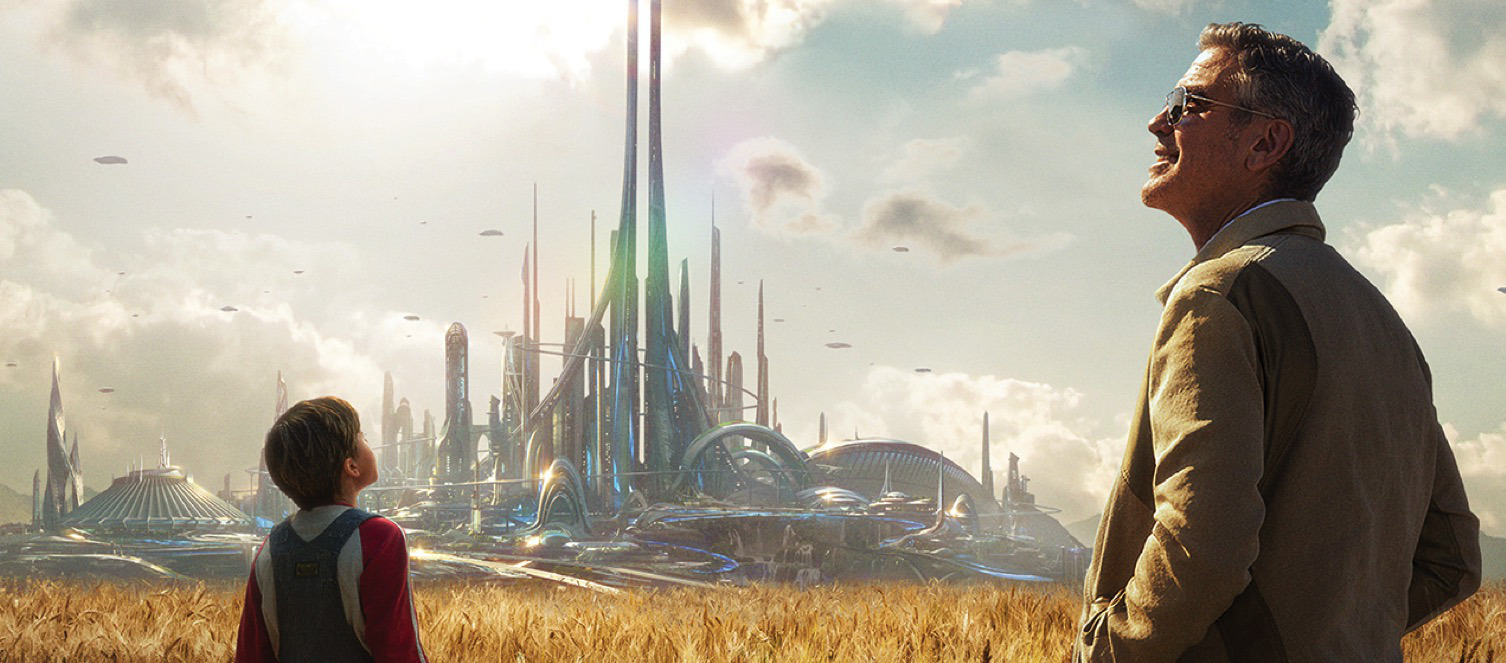
Visually stunning, but wrapped up in its own spiderweb of overthought plot.
However, there has been a distinct lack of the blanket media coverage we’ve come to expect from these kinds of films. It’s almost as if Walt Disney Pictures hasn’t really got faith in it. Inevitably, this disinterest in the film has seeped its way down to the general public, who are simply not checking it out. It is currently on track to lose money, with a global taking of $133.2m against a budget of around $190m. It’s still ploughing on and might break even after Blu-ray sales and merchandise is taken into account.
The premise of the storyline is loosely based on the futuristic area of the Disney Theme Parks, which is also the source of the film’s name (it was originally titled 1952). It’s a time-travelling adventure with absolutely stunning visuals that make the film very easy on the eye. It’s actually very similar visually to The Rocketeer, and I felt as though this is what would have been achieved had that film been released today rather than 1991.
It’s a problematic film, however, and I put this down to the hard-to-follow plot. I don’t think it’s overly complex, I just don’t think it’s explained very well. Alongside Brad Bird as co-scriptwriter is David Lindelof of Lost fame, whose scripts tend to walk a fine line between intrigue and confusion. When he gets it right (the earlier episodes of Lost, Star Trek: Into Darkness), it can be the most gripping sci-fi around. Sometimes, though, he misses the mark and becomes far too confusing to follow. Tomorrowland is certainly in this category.
The problem is that the plot loses the plot, and therefore its own essence. I’ll try to summarise (SPOILER ALERT!). Casey, the daughter of a NASA engineer, finds a magical pin that transports her to a Utopian parallel universe. However, it has a limited lifespan and counts down to expiry, meaning you only get a glimpse of the alternate universe (we later learn it’s an advert). It also means you co-exist in the alternate reality, so if you move around in the alternate reality you might bang your head in the real world. She tries to track down a second pin and finds herself teaming up with Frank, who can access the real universe via a secret rocket inside the Eiffel Tower, and can get them there by a secret teleportation device he invented. When they get there, the Utopia is now derelict, but evil genius David Nix (played by Hugh Laurie) doesn’t want to let anyone else in, even though humanity will end within 60 days.
I won’t ruin the ending but as you can see, it does get quite far-fetched and I do seriously question whether or not the children in the cinema were fully on board with it. Indeed, it took five of us about ten minutes of debating until we settled on what exactly we’d just seen [4]. We still had some questions remaining though. Firstly, I’m assuming the robots that were sent to kill Casey were sent by David Nix. If so, he didn’t seem to know who she was when she arrived. Why weren’t they trying to kill Frank instead? He was the one known entity. Perhaps they assumed she would lead them to him, but I didn’t feel this was explained very well. Following on from this, why weren’t they all killed immediately after they arrived in the Utopia? It seemed there was a “well, they’re here now, let’s give them a shot” sort of vibe going on. I wasn’t buying it. Finally, why had the Utopia got so run down? I feel there was a huge area of the plot to explore here but it wasn’t mentioned. Oh, and why the Eiffel Tower?
In the end, it was just a huge advert for world peace, creativity, Coca-Cola, Chevrolet, and not stifling imagination. And Disney merchandise (yes, you can buy your very own copy of the Tomorrowland pin that is so integral to the plot). It was a missed opportunity. I don’t recommend you avoid it. Perhaps I’m not as intelligent as I once thought and it’s my fault alone that I don’t understand a film aimed at 12-year-olds. It’s visually stunning and is almost worth seeing just for that. Just don’t get your hopes up and don’t try to overthink it.
[1] It doesn’t necessarily mean they’re good.
[2] Despite being classed as a box-office flop, John Carter actually made money on its $263m budget at global box offices alone, pulling in $281m in receipts. Once you factor in sales of merchandise, video games, DVDs, Blu-rays and downloads, it must have made a huge amount. Not bad for a flop…
[3] Surprisingly, he also directed the music video for “Do The Bartman”, right at the start of his career. It’s less of a surprise once you know he was already involved in The Simpsons from earlier on, though this knowledge could help win you a pub quiz one day.
[4] I went to see this one with a couple of good blogger friends, whose blogs can be found at the following addresses: Nesbitt Web and Ahoy Small Fry. They’re both very different blogs but I enjoy them both on a regular basis. Check them out!
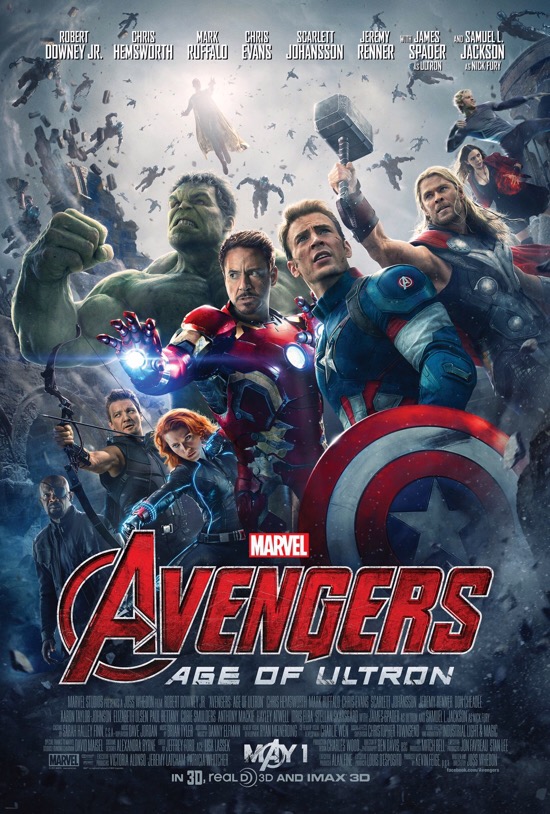
The latest film in the Marvel Cinematic Universe (MCU) sees the ever-growing cast of superheroes pitted against Ultron, the villainous result of an experiment in peacekeeping by Tony Stark and Bruce Banner that goes catastrophically wrong. Bringing back almost all the huge stars from the previous films (Gwyneth Paltrow and Natalie Portman were the only notable omissions), we see a number of dynamic storylines interwoven intelligently with some hugely impressive action sequences and set pieces delivering an answer to the age old question “What does a $250m film-making budget buy you these days?”. Quite a lot actually.
The opening sequence, set in the frosty hills of Sokovia, a fictional Eastern-European country, was one of the best opening action sequences I’ve ever seen, slowly re-introducing our familiar heroes one at a time whilst setting up the plot for the rest of the film, along with two of the main enemies they would encounter: Pietro and Wanda Maximoff (Quicksilver and Scarlett Witch respectively). It had enough elements to feel like we hadn’t seen it before and had an over-arching purpose so the spectacle didn’t feel gratuitous.
There has been a concerted effort this time to give more depth to the main characters that are yet to have their own standalone films. Clint Barton / Hawkeye (Jeremy Renner) is arguably the central character this time around. He is portrayed as the emotional glue that holds the rest of the team together and he finally gets the opportunity to prove how integral he is. It’s a nice touch as he is perhaps the least super of our superheroes, though I must say the manner in which they introduce a backstory for him is a little clumsy. There’s probably not enough depth to the character to warrant a stand-alone film so this is a great substitute.
Elsewhere Bruce Banner / Hulk (Mark Ruffalo) and Natasha Romanoff / Black Widow (Scarlet Johansson) have a blossoming romance, and we get to see a softer side to both characters that hadn’t been shown before. The intimacy reminded me a little of the now-much-underrated Peter Jackson version of King Kong, with Naomi Watts’s Ann Darrow playing off against Andy Serkis’s ape to a never-before-seen level of motion and facial expression capturing. It made me really keen to see a standalone film exploring their relationship more, though how that would fit into the grander scheme of planned films I’m not sure.
It was nice that Andy Serkis got a cameo appearance as Ulysses Klaw, along with many other recognisable stars (I’d put Samuel L. Jackson, Paul Bettany, Don Cheadle and Anthony Mackie in this category due to their limited screen time). His accent fell somewhere between East London, Eastern European and the required South African, though he’ll get chance to further develop that in Black Panther in 2018 [1].
Johannesburg is just one of many recognisable cities from around the globe that shows up in Avengers: Age of Ultron. Another such city is Seoul in South Korea. Interestingly, the Korean government reportedly paid Marvel Studios £2.4m for Seoul to be portrayed in a positive light for tourism purposes. I don’t think this is a problem really. It was just nice that London didn’t get blown up. Again.
I’ve seen a lot of huge blockbuster films fall flat in recent years. Any of the Transformers sequels, The Dark Knight Rises, Pacific Rim, Real Steel. More often than not, they just aren’t amazing films. Marvel, however, get it right time and time again. With a wave of films being announced to take us up to the end of the decade, the test will come not in successfully releasing a film like Avengers: Age of Ultron, a film destined for success. Rather, the true test will come with a film like Ant Man, due for release later this year. It’s a film everyone thinks will be a huge flop. If they can pull that one off and make it successful, then they truly do have the Midas touch.
Avengers: Age of Ultron is in UK cinemas now and globally over the next month. [2] [3]
[1] Ulysses Klaw is the main enemy of Black Panther, for which there is a MCU film set for release in 2018. Chadwick Boseman is set to star in the lead role.
[2] There is only one post-credit sequence this time around, which appears about halfway through. There is nothing at the end after the credits so you don’t need to wait. Howard the Duck does not appear.
[3] I went to see this film with fellow WordPress blogger Jordana Makin, who has a blog titled “Ahoy Small Fry“. Check it out, it’s pretty cool.












 Cinema, etc.