Film review – Rogue One: A Star Wars Story (Gareth Edwards, 2016)

This is a REVIEW and therefore will contain some elements of spoilers. You can get to the picture of the stormtroopers before you start getting angry with me.

When Rogue One: A Star Wars Story was first devised we were living in a cinematic landscape where the Star Wars series, arguably the most successful film franchise of all time, hadn’t had a genuinely well-received film for three decades. Fans were understandably very skeptical of the new buyout of Lucasfilm from Disney and, whilst the main saga films had a lot of attention on them, the so-called spin-off films were deemed much less important. With the pressure off, director Gareth Edwards seemed to have a free pop at the big time.

Then The Force Awakens happened. This is a film that became the third most successful film at the box office of all time, received a hefty number of awards and nominations and was universally critically acclaimed. I liked it too. Essentially, J.J. Abrams had achieved the impossible: a film liked by both critics and fans, that tied into the original saga, introduced a host of new likable characters, was a box-office smash and set up the trilogy (or more) perfectly.

Suddenly, Gareth Edward’s mini-sidequest was a top priority for Disney. Its release date change from a mid-summer release to the same window as The Force Awakens had been released in the previous year, presumably to capitalise on the merchandise sales in the run-up to Christmas. The focus was on it to fill the void between Episodes VII and VIII, and with it came a shift from a gritty war film to a bonafide entry into the series, with all the required family-friendly edges.

This was when the fans started to really worry. Reshoot were ordered and the final edit was given to Bourne Legacy director Tony Gilroy. The vision of Gareth Edwards was going off track, in a way reminiscent of Edgar Wright’s Ant-Man issues, which by all accounts was a totally missed opportunity to add something unique to the Marvel Cinematic Universe.

We were all hoping that these issues wouldn’t spoil what would have been a bold and fresh statement for the franchise, and as the opening moments played out our concerns would duly be answered.

Don’t worry, we’ll save the edit

The story (here be spoilers)

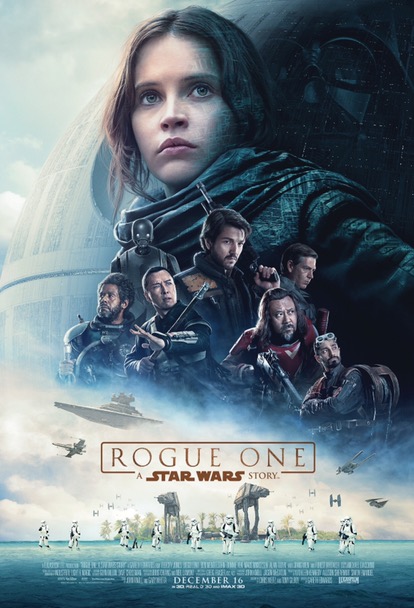
Rogue One is set in a time immediately prior to the events in the very first film, 1977’s Star Wars (later renamed with the additional ‘A New Hope’ tag). We follow the uniting of an unconventional band of rebels as they seek to discover the plans for the design of a new superweapon being completed by the Empire. The figurehead of the team is Jyn Erso (Felicity Jones), the daughter of Galen Erso (Mads Mikkelsen), a man responsible for designing the weapon but working with his heart for the resistance rather than for the man overseeing the project Orson Krennic (Ben Mendohlson). He has secretly put a fatal flaw in the design that he hopes Rebels can expose to destroy the superweapon and prevent the total destruction of entire planets.

The rest of the clan is made up of Rebel Alliance officer Cassian Andor (Diego Luna), blind warrior Chirrut Îmwe (Donnie Yen), the gun-wielding Baze Malbus (Jiang Wen), defected Empire cargoship driver Bodhi Rook (Riz Ahmed) and modified droid K-2SO (Alan Tudyk).

It is such a brilliant concept that it makes you wonder why this wasn’t considered as juicy-enough plot for the underwhelming prequel trilogy.
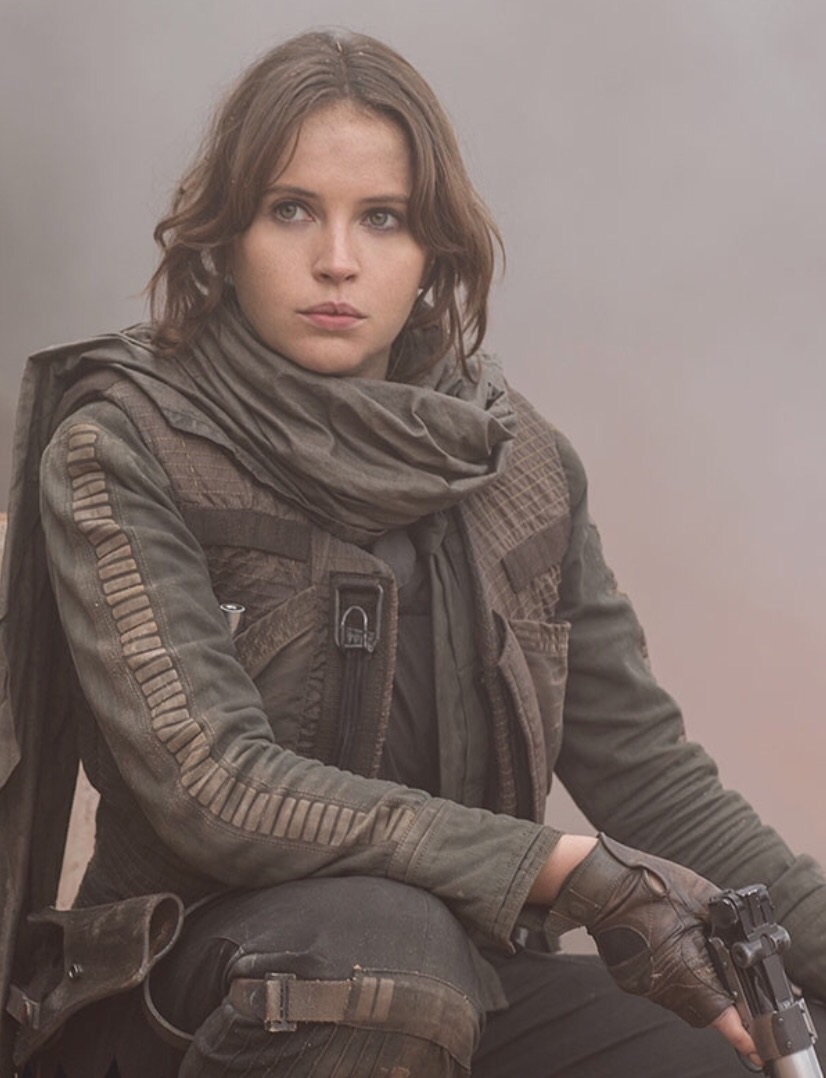
Felicity Jones is Jyn Erso

So is it any good?

Previously, Star Wars fans have only had four absolutely amazing films and three totally underwhelming and dreadful films. We could be forgiven for expecting Rogue One to sit in one of these two camps. The truth is that it lands somewhere in the middle of the two, though perhaps closer to the good instalments.

There are some absolutely triumphant moments. The final act of the film, which is essentially a brutal last-gasp battle to get the plans, is a riot. For almost an hour, this film is everything we hoped it would be: an unforgiving journey as our group of rebel heroes seeks to bring down the Empire, willing to sacrifice their lives for the greater good.

To get there, however, we don’t have a really easy time of it. The very opening sequence may bring a bit of excitement, but the subsequent 20-30 minutes are really ploddy, with Michael Giacchino’s score trying desperately to inject some life into the on-screen dialogue but unintentionally mismatching the tone of the scenes.

K-2SO, the obligatory droid, will undoubtedly be a marmite character. He has some of the best lines but occasionally doesn’t really feel like a droid. The comeback is that Cassian has reprogrammed him, but he still needs to feel like a droid to be a convincing part of this universe.

The biggest sins come in the form of a terrible CGI treatment for two characters nobody expected to see: Princess Leia and Grand Moff Tarkin. Say what you want about these two renderings, but I was absolutely not convinced. For it to work, the technology and its handling need to be 100% absolutely perfect or the illusion is lost. This is simply not the case. It’s sad, because it is arguably the best ever 3D rendering of a human character in a serious film. It is possibly an argument for a specialised version in about twenty years’ time.
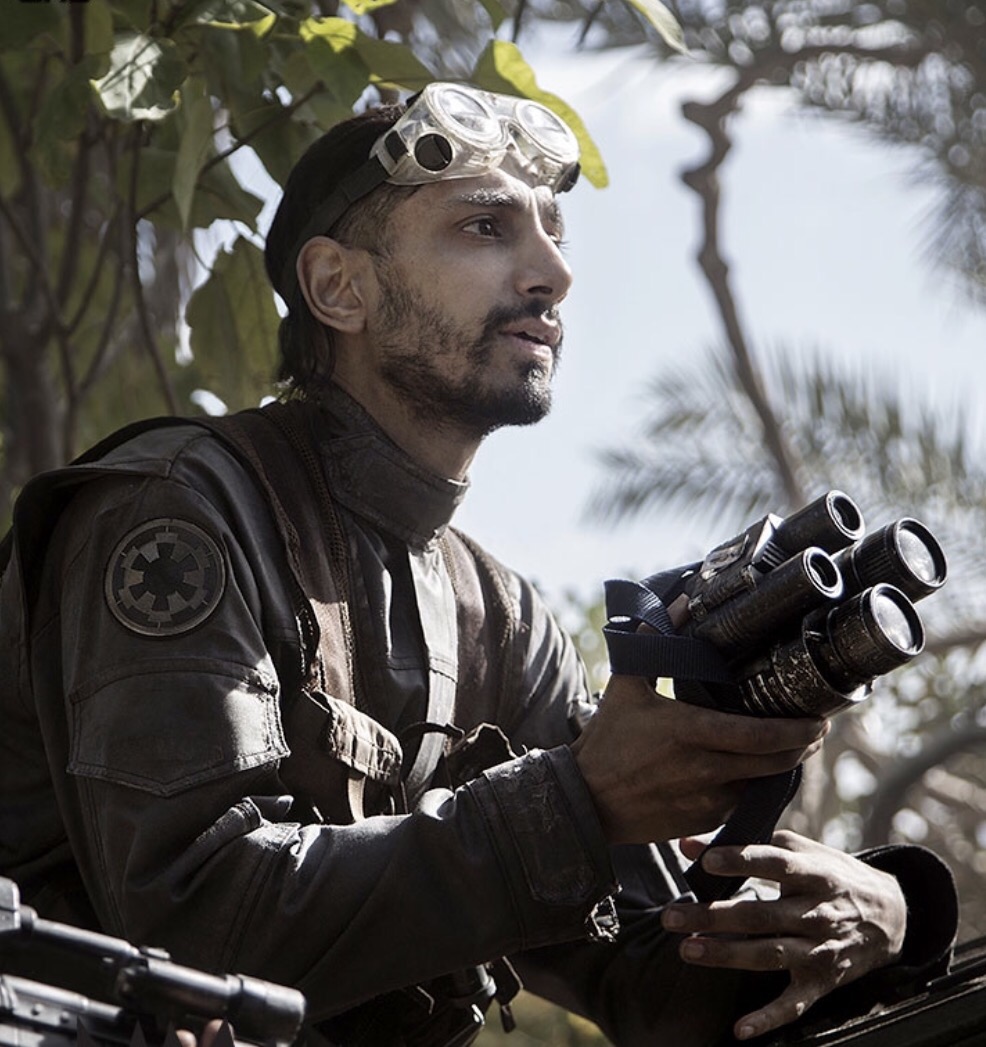
How has Riz Ahmed not been more successful?

The two standout characters were Bodhi and Chirrut. Riz Ahmed has been underrated for years, despite providing excellent turns in the likes of Four Lions, Ill Manors and Nightcrawler. As a man seeking to use his position in the Empire for the greater good, he steals some of the best moments in the early parts of the film and allows everyone to catch up with him throughout the rest of the picture.

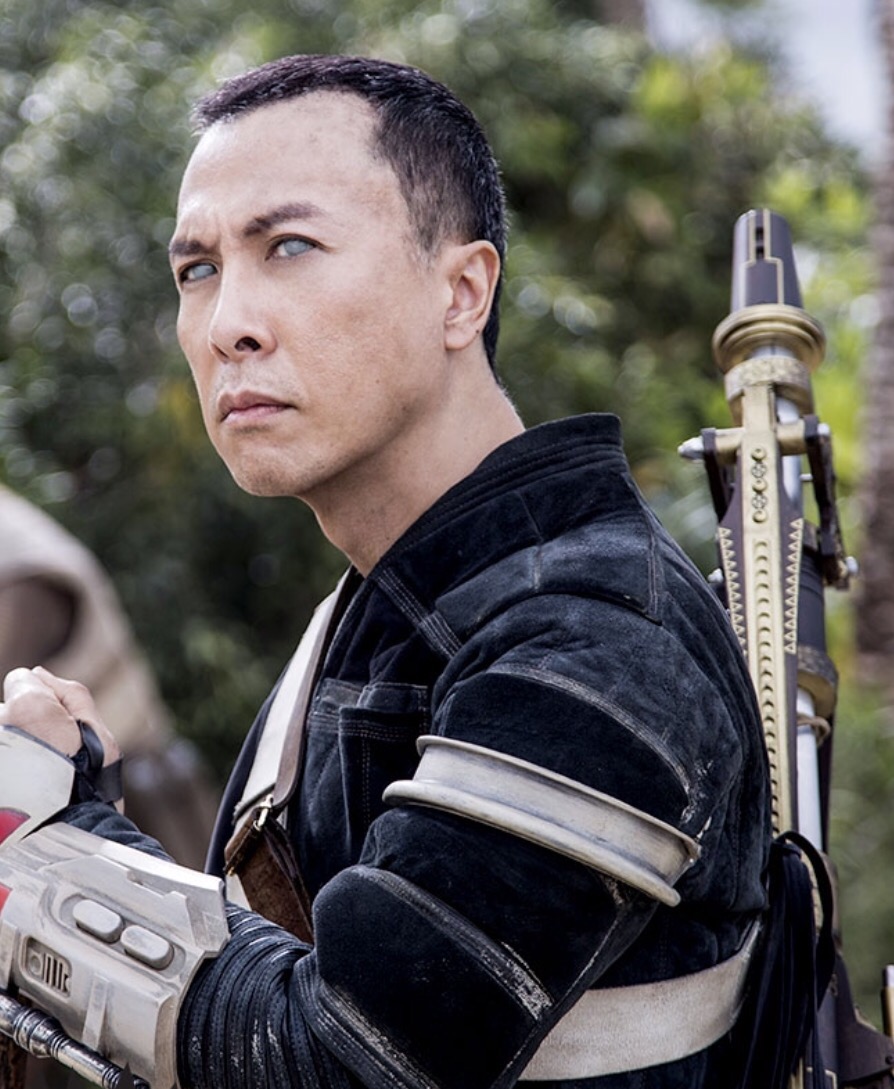
Donnie Yen appears a little later in the plot but makes up for it with some brilliant self-choreographed martial arts sequences. I could watch him do that all day.
Summary

With all said and done, Disney have probably made the right business move in lightening the mood and commercialising their property. It feels like two films that two factions are wrestling over. In many years to come, the reality of the situation will come to light and we’ll probably get a director’s cut.

As it stands, we have a very good film that knocks the socks off any of the prequel films and gives the fans the backstory they’ve strived for since 1983.

It isn’t the best Star Wars film ever made, as some people are eager to claim, but it certainly isn’t a poor entry either.

Go and see it, enjoy it, buy an action figure or two, and keep your appetite in check ahead of Episode VIII.

2017 Golden Globes – Full list of nominations

FILM NOMINATIONS

Best film drama
Hacksaw Ridge
Hell or High Water
Lion
Manchester by the Sea
Moonlight

Best film comedy/musical
20th Century Women
Deadpool
La La Land
Florence Foster Jenkins
Sing Street

Best film director
Damien Chazelle, La La Land
Tom Ford, Nocturnal Animals
Mel Gibson, Hacksaw Ridge
Barry Jenkins, Moonlight
Kenneth Lonergan, Manchester by the Sea

Best screenplay
La La Land
Nocturnal Animals
Moonlight
Manchester by the Sea
Hell or High Water

Best actor (drama)
Casey Affleck, Manchester by the Sea
Joel Edgerton, Loving
Andrew Garfield, Hacksaw Ridge
Viggo Mortensen, Captain Fantastic
Denzel Washington, Fences

Best actress (drama)
Amy Adams, Arrival
Jessica Chastain, Miss Sloane
Isabelle Huppert, Elle
Ruth Negga, Loving
Natalie Portman, Jackie

Best actor (comedy/musical)
Colin Farrell, The Lobster
Ryan Gosling, La La Land
Hugh Grant, Florence Foster Jenkins
Jonah Hill, War Dogs
Ryan Reynolds, Deadpool

Best actress (comedy/musical)
Annette Bening, 20th Century Women
Lily Collins, Rules Don’t Apply
Hailee Steinfeld, The Edge of Seventeen
Emma Stone, La La Land
Meryl Streep, Florence Foster Jenkins

Best film supporting actor
Mahershala Ali, Moonlight
Jeff Bridges, Hell or High Water
Simon Helberg, Florence Foster Jenkins
Dev Patel, Lion
Aaron Taylor-Johnson, Nocturnal Animals

Best film supporting actress
Viola Davis, Fences
Naomie Harris, Moonlight
Nicole Kidman, Lion
Octavia Spencer, Hidden Figures
Michelle Williams, Manchester by the Sea

Best animated film
Kubo and the Two Strings
Moana
My Life as a Zucchini
Sing
Zootopia

Best foreign language film
Divines
Elle
Neruda
The Salesman
Toni Erdmann

Best film score
Moonlight
La La Land
Arrival
Lion
Hidden Figures

Best film song
Can’t Stop the Feeling, Trolls
City of Stars, La La Land
Faith, Sing
Gold, Gold
How Far I’ll Go, Moana

TELEVISION NOMINATIONS

Best TV series (drama)
The Crown
Game of Thrones
Stranger Things
This Is Us
Westworld

Best TV series (comedy)
Atlanta
Black-ish
Mozart in the Jungle
Transparent
Veep

Best miniseries or TV movie
American Crime
The Dresser
The Night Manager
The Night Of
American Crime Story: The People v OJ Simpson

Best actor in miniseries or TV movie
Riz Ahmed, The Night Of
Bryan Cranston, All the Way
John Turturro, The Night Of
Tom Hiddleston, The Night Manager
Courtney B Vance, American Crime Story: The People v OJ Simpson

Best actress in miniseries or TV movie
Felicity Huffman, American Crime
Riley Keough, The Girlfriend Experience
Sarah Paulson, American Crime Story: The People v OJ Simpson
Charlotte Rampling, London Spy
Kerry Washington, Confirmation

Best TV supporting actress
Olivia Colman, The Night Manager
Lena Headey, Game of Thrones
Chrissy Metz, This Is Us
Mandy Moore, This Is Us
Thandie Newton, Westworld

Best TV supporting actor
Sterling K Brown, American Crime Story: The People v OJ Simpson
Hugh Laurie, The Night Manager
John Lithgow, The Crown
Christian Slater, Mr Robot
John Travolta, American Crime Story: The People v OJ Simpson

Best actor in a TV series (musical/comedy)
Anthony Anderson, Black-ish
Gael Garcia Bernal, Mozart in the Jungle
Donald Glover, Atlanta
Nick Nolte, Graves
Jeffrey Tambor, Transparent

Best actress in a TV series (musical/comedy)
Rachel Bloom, Crazy Ex-Girlfriend
Julia Louis-Dreyfus, Veep
Sarah Jessica Parker, Divorce
Issa Rae, Insecure
Gina Rodriguez, Jane the Virgin
Tracy Ellis Ross, Black-ish

Best actor in a TV series (drama)
Rami Malek, Mr. Robot
Bob Odenkirk, Better Call Saul
Matthew Reese, The Americans
Liev Schreiber, Ray Donovan
Billy Bob Thornton, Goliath

Best actress in a TV series (drama)
Caitriona Balfe, Outlander
Claire Foy, The Crown
Keri Russell, The Americans
Winona Ryder, Stranger Things
Evan Rachel Wood, Westworld

The Beatles – The 1971 album that could have been

The Beatles remain one of the most celebrated and influential bands of all time, with one of the most prolific outputs the music world has ever seen. This didn’t slow down in the immediate aftermath of the break-up of the band in 1969, with the final studio album and accompanying film Let It Be not seeing the light of day until May 1970. Fans of the Fab Four were also able to enjoy their stars individually as they released a flurry of solo material they had perhaps been saving up for release in the knowledge their days in the band were over.

There were a few experimental items that make the second half of The White Album feel positively mainstream (see John Lennon’s Unfinished Music Vol. 1 and 2, George Harrison’s Wonderwall Music and Paul McCartney’s The Family Way soundtrack, amongst others), but their first forays into mainstream music didn’t take too long to surface.

What if they’d not fallen out for another year and managed to squeeze out a final album? What songs that made it onto these first solo efforts would have sounded great alongside each other?

I’ve tried to create a balanced tracklisting that ruthlessly selects twelve songs from their creative output of 1970 and early 1971 and gives priority to McCartney, who was writing most of the material by the end. Abbey Road was essentially all of them working apart from each other, so the tracklisting below isn’t far off what could have been.

The result is The Beatles at their most conflicting and hateful best, the rift between Paul and the other members plain to see. However, if they’d managed to squeeze this out and gone through the cathartic experience of working on the songs together, we might have seen a whole different ending to the story.

SIDE A

1. Maybe I’m Amazed (Paul McCCartney, 1970)

A standout track from McCartney’s debut album and perhaps one of the finest love songs ever written, it is nonetheless underrated due to the fact the studio version was never issued as a single.

2. My Sweet Lord (George Harrison, 1970)

This is a bit of a no brainer. It’s the highlight of George’s first album proper and it’s hard to think of a better way to follow the opening track. Despite the obvious religious connotations, I doubt John and Paul would have been able to resist the temptation to include such a high-quality song on the next Beatles album. Indeed, Ringo Starr and John Lennon both reportedly appeared on the international smash single.

3. Cold Turkey (John Lennon, 1969)

This is a song that John presented to the band in 1969 for inclusion on Abbey Road, but it was ultimately decided that it didn’t fit and put out as a solo single. If they were still together and John wasn’t thinking about a solo album, then this would have been a prime candidate for inclusion. To increase the connection to The Beatles, Lennon’s version features Ringo Starr on drums.

4. Instant Karma! (We All Shine On) (John Lennon, 1970)

A song as anthemic as this would be a clear candidate for inclusion. Indeed, the version Lennon released in 1970 – prior to the release of the final Beatles album Let It Be – featured George Harrison on electric guitar and Phil Spector on production duties, so if it had been part of a Beatles release it’s unlikely it would have sounded much different.

The John Lennon double-header of Dig A Pony and Across The Universe had served Let It Be well and the same thinking works here for a riotious kick-start to the album.

5. Every Night (Paul McCartney, 1970)

This song was included on McCartney’s debut album but had been thrown around during the final Beatles recording sessions. It’s the first hint on this album that we hear McCartney’s anger seeping into his lyrics. It would have undoubtedly sounded a lot different had all four been working on it.

6. Too Many People (Paul McCartney, 1971)

A hate-filled Paul wrote this song as a dig at John and Yoko. In a 1984 edition of Playboy, he said, “He’d been doing a lot of preaching, and it got up my nose a little bit. In one song, I wrote, ‘Too many people preaching practices’. I think is the line. I mean, that was a little dig at John and Yoko.” It kicked off Paul’s debut-proper ‘Ram’ but works better as a closer to the first side.

SIDE B

1. How Do You Sleep? (John Lennon, 1971)

John’s in the studio, probably by this point no longer talking to Paul, and he’s just listened to the final take for Side A closer ‘Too Many People’. In a fit of rage he calls up George and pretty quickly they bash out the song that opens Side B, setting the tone for the fans who are about to hear the falling apart of their favourite band.

2. What Is Life? (George Harrison, 1970)

“Tell me, what is my life without your love?”

Many could dismiss this as schmulzy pop but the killer riff and memorable hook is enough to warrant a place on the next Beatles long player. It’s a soulful rock masterpiece, and a track that had been in Harrison’s back pocket during the Abbey Road session.

3. Junk (Paul McCartney, 1970)
Any speak of what might have come to pass on their next album has to feature both ‘Junk’ and ‘Teddy Boy’, songs Paul had rehearsed with The Beatles in January 1969. Here Paul is hinting about moving on to his next project, getting rid of the old and bringing in the new. It’s also a wild reduction in pace to lead into the final section of the album.

4. Teddy Boy (Paul McCartney, 1970)

A composite version of several takes of this track featured on Anthology 3 after being recorded in the 1969 Savile Row sessions for Let It Be, and is an indication of what else The Beatles had left in them. A no-brainer for inclusion here.

5. Mother (John Lennon, 1970)

One of Lennon’s most powerful songs was written in response to some therapy sessions he had been having to deal with the underlying grief of the loss of his mother to a car accident as a child. The version included on Plastic Ono Band featured Ringo on drums and shows a different side to Lennon than is on show on his two tracks on Side A.

6. All Things Must Pass (George Harrison, 1970)

This track is a beautiful and honest song that would have served The Beatles well as a final farewell on their last album.

As George sings “None of life’s strings can last, so I must be on my way”, the feeling is pretty strong that the troubled songwriter was already done with the band when he presented this track to them during the sessions that became Let It Be. It was rejected by Lennon and McCartney, but eventually appeared on George’s debut album (with Ringo and Eric Clapton amongst the backing band), and was also a hit for Billy Preston.

And there you have it, an alternate take on the end of The Beatles and their desire to break away, but managing to hold it together for one last release.

What do you think of the track listing? Did I miss anything out that has made you supremely angry? Let me know in the comments.

Film review – Chi-Raq (Spike Lee, 2016)

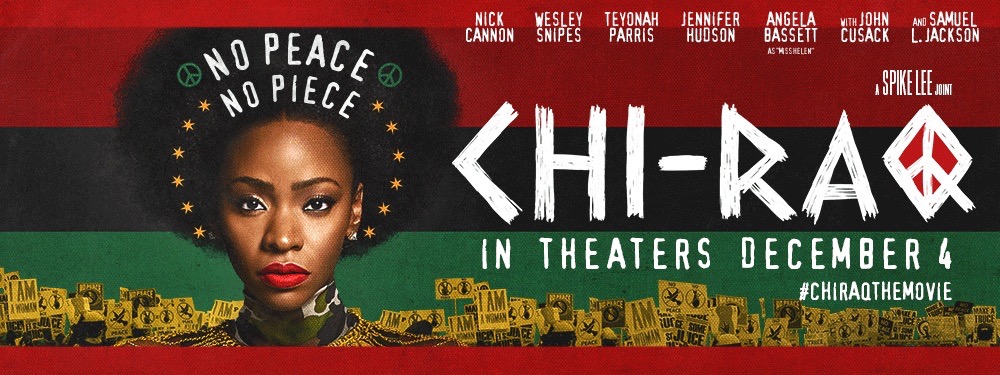
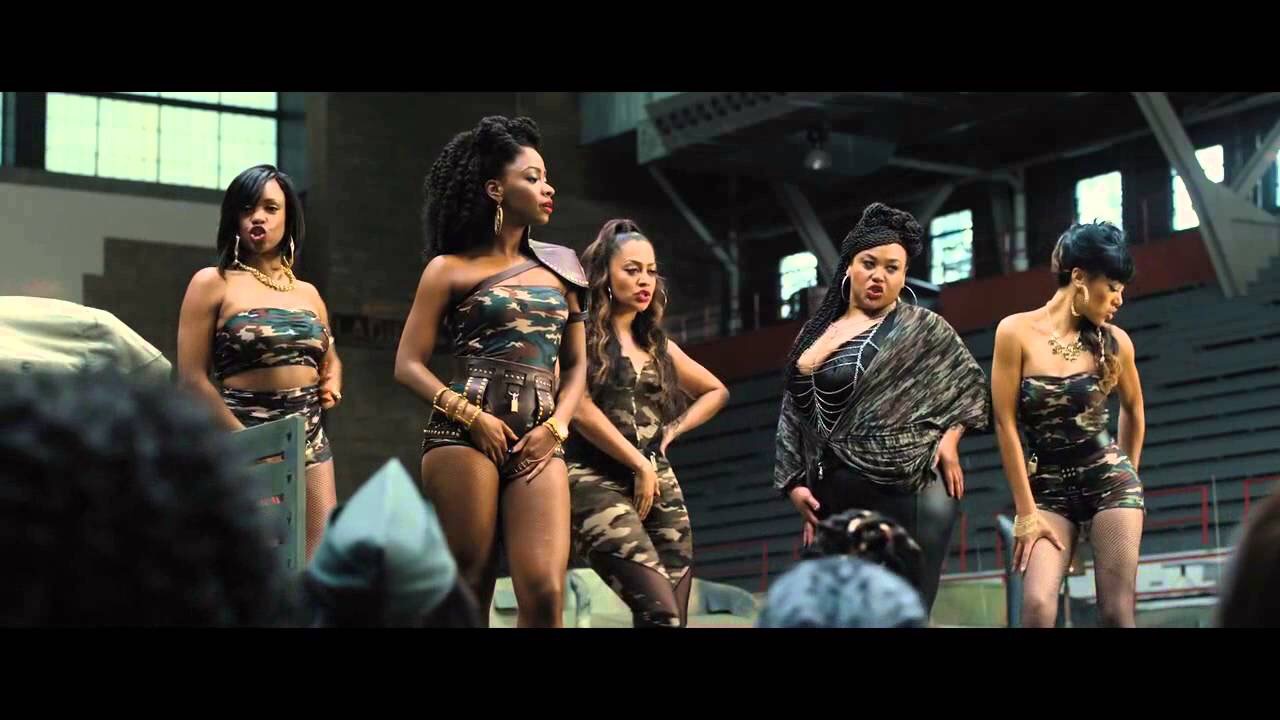
Spike Lee’s latest satirical drama is based on Aristophanes’ Classical Greek comedy Lysistrata, in which women withhold sex from their husbands as a punishment for fighting in the Peloponnesian War. Anyone hoping for a faithful adaptation is probably unaware of Lee’s output, which consistently challenge the audience to think about black lives, making its release as timely as ever given the BFI’s Black Star season is currently in full swing.

To label the film as a satirical drama only tells the half of it, which strong elements of comedy and crime. However, it is the hip-hop musical storytelling method that could hamper this film’s accessibility to the wider audience. When the words aren’t being sung or rapped, they are spoken in rhyme or at the very least rhythmical.

If anyone chooses not to see Chi-raq because they don’t like hip-hop is going to miss out on an extremely powerful work of art. There is a heap of controversies surrounding the film, from the statistics that are listed through the opening to the name of the film itself, but the relevance to the current population of Chicago is clear. The phrase Chi-raq is a name given by members of the drill-rap community to a city that, due to the prevalence of gun and gang crime, has led to the death of more people than both the war in Iraq and the war in Afghanistan.


The most outspoken criticism of the film is from this very community, who are displeased with the use of the phrase in the name against a film that highly stylises what is happening in Chicago. Lee has responded to the backlash, stating “We need to focus on what’s important. The whole shit about the film’s title was a needless distraction… People didn’t have the understanding that satire does not belittle serious subject matter.”

It’s a fair point. The most important thing is that the film itself is brilliantly written and acted, with a standout turn from lead actress Teyonah Parris as Lysistrata, the woman leading the revolt against their horny and battle-ready partners.

If you like your musicals challenging, wrapped in the genre of hip-hop, and with a strong ensemble cast, then Chi-raq is a must.

Chi-raq is in cinemas now and is also available on VOD.