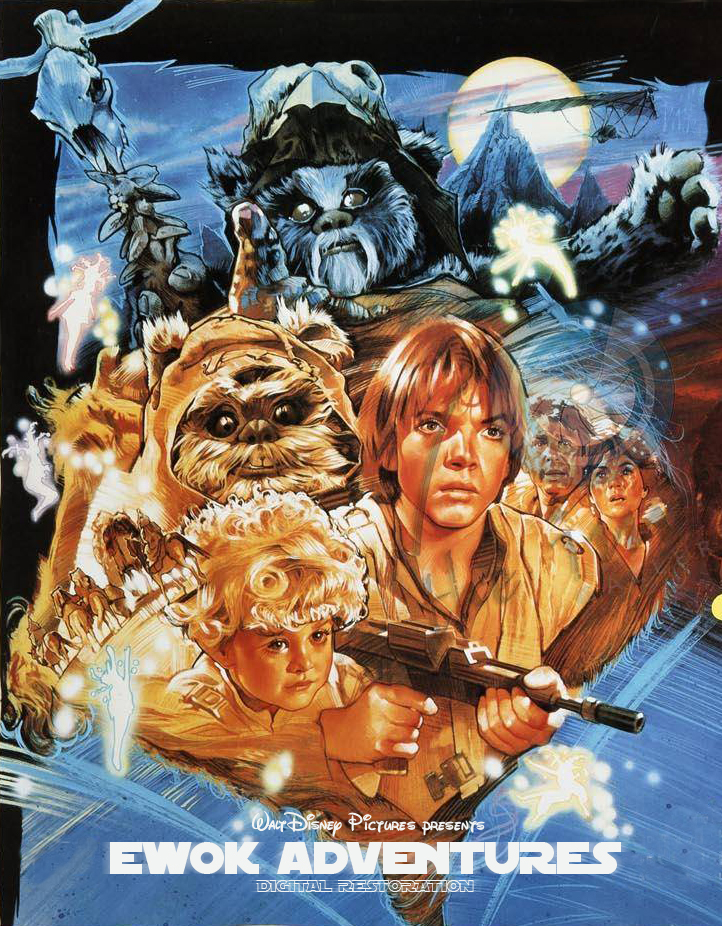
ANNOUNCEMENT – EWOK ADVENTURES COMING TO BLU-RAY

UPDATE (07/11/2016): For no reason at all I’ve had a sudden influx of people finding this page after searching for “Ewok Adventure Blu-ray” or similar. Just in case you hadn’t realised… This was an April Fools joke. There is no scheduled HD re-release of these films. You can buy the films on DVD here

There has been an exciting announcement this morning from Walt Disney Pictures. Following the increased interest in Star Wars following the release of Star Wars Episode VII: The Force Awakens, the first sign that the Walt Disney company are going to mine the Star Wars back catalogue has seen the light of day.

Set for release on 1st August 2016, digitally restored versions of both Ewok Adventure films – Caravan of Courage and Battle for Endor – will be released in a specially-commissioned 4K transfer. What’s more – any fans who are lucky enough to have tickets to the Star Wars Celebration on 15-17 July 2016 will be able to pick up a limited edition numbered steelbook of the release. How limited these will be is yet to be announced, though they are set to be one of the hottest items at the event.

It is thought that the unexpected announcement is a way to test the waters for future 4K transfers of other Star Wars releases. Of course, the dream release for most fans is the cinematic releases of the original trilogy, fully restored with no Lucas interference. Perhaps this will see the light of day at a later date, though we won’t hold our breath. This will be an excellent stop-gap release.

There are several bonus features set for inclusion on a third disc of the set, with more yet to be announced. The features listed are:

  • Brand new 4K transfer of both films;
  • Brand new storybook gatefold packaging;
  • 48-page booklet with on-set photographs, cast interviews and press articles;
  • Brand new commentary from directors John Korty (Caravan of Courage only), Jim and Ken Wheat (Battle For Endor), along with actors Eric Walker, Aubree Miller and Warwick Davis (both films);
  • All deleted scenes restored to both films;
  • Making-of Documentary – for the first time ever the making of created by Warwick Davis and Eric Walker during the filming of Caravan of Courage will be released on home video, with an optional introduction from both actors;
  • Three episodes of the Star Wars: Ewoks cartoon series (The Cries of the Trees, The Haunted Village, Rampage of the Phlogs) – SD only
  • Original TV spots – SD only
  • 1984 and 1986 Primetime Emmy Acceptance Speeches – SD only
  • Languages: English audio description, Spanish, French and Portuguese
  • Subtitles: English for the hard of hearing, Spanish, French, Dutch, Portuguese, Finnish, Swedish, Norwegian and Danish

Pre-orders are not yet live for this release.
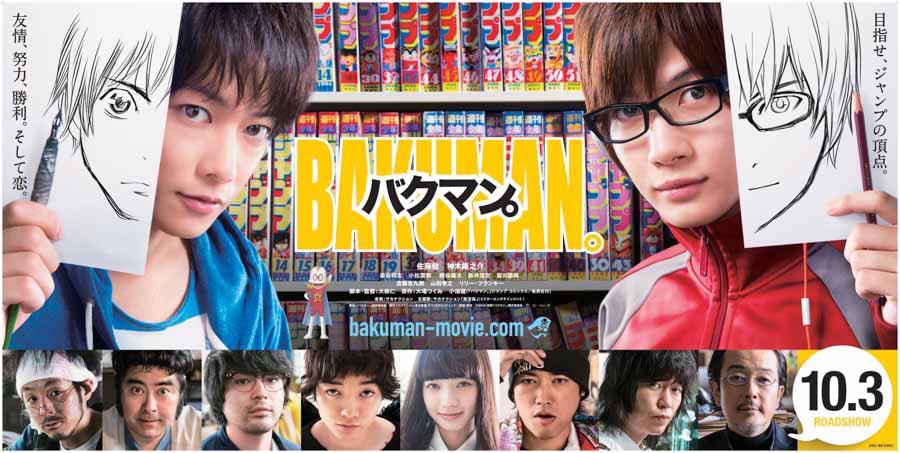
Film review – バクマン。/ Bakuman (Hitoshi Ohne, 2015)

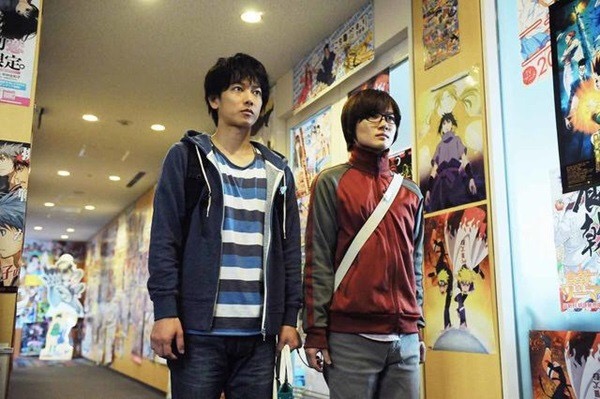
バクマン。/ Bakuman is a 2015 Japanese film based on a serialised manga of the same name. It depicts the exploits of two Japanese junior high school students, budding artist Mashiro (Takeru Satô) and aspiring writer Takagi (Ryûnosuke Kamiki), as they form a partnership to become mangakas for Japan’s most popular weekly Manga magazine Shonen Jump.

The film, like the manga on which it is based, is laced with introspection. The subject matter is such that the original manga was about two boys wanting to write for Shonen Jump, though it was serialised in that very magazine. The risk therefore is that it could have romanticised working there, but that couldn’t be further from the truth. Conversely, I was wondering how they ever got it signed off by Shonen Jump since working there seems to pose serious risks to ones health.

The overarching storyline is a romantic-comedy, because artist Mashiro is driven by the hope his success will be met with that of Azuki (Nana Komatsu), an aspiring voiceover actress with whom he has a pact should they both be successful. Whilst this is slightly by the numbers, the real magic comes from the attention given to the artistry and skill involved with making manga. I’d go as far as saying this is a perfect place to start if this is a career you want to go down as it gives you a warts-and-all depiction of how these artists live their lives.

  
There are some brilliant sequences involving the main characters as they battle against a rival artist in a nightmare world of manga artwork and paintbrushes that do for Japanese art what Scott Pilgrim did for videogame culture in 2010.

There might not be a lot in this for people who aren’t fans of manga or anime, but anyone who has ever picked up a copy of Shonen Jump would really find a lot on offer in this homage to the struggling manga artists at the magazine.

Visit to the original Nintendo HQ building in Kyōto

Today I managed to track down the original Nintendo HQ building in Kyōto. I say original, but really it’s the building built in 1933 when the company had become known as the Yamauchi Nintendo & Co. and were manufacturing hanafuda for the local yakuza with whom they were extremely popular at the time. He original HQ was in an office block and has since been bulldozed.

Here’s a photo of me outside.

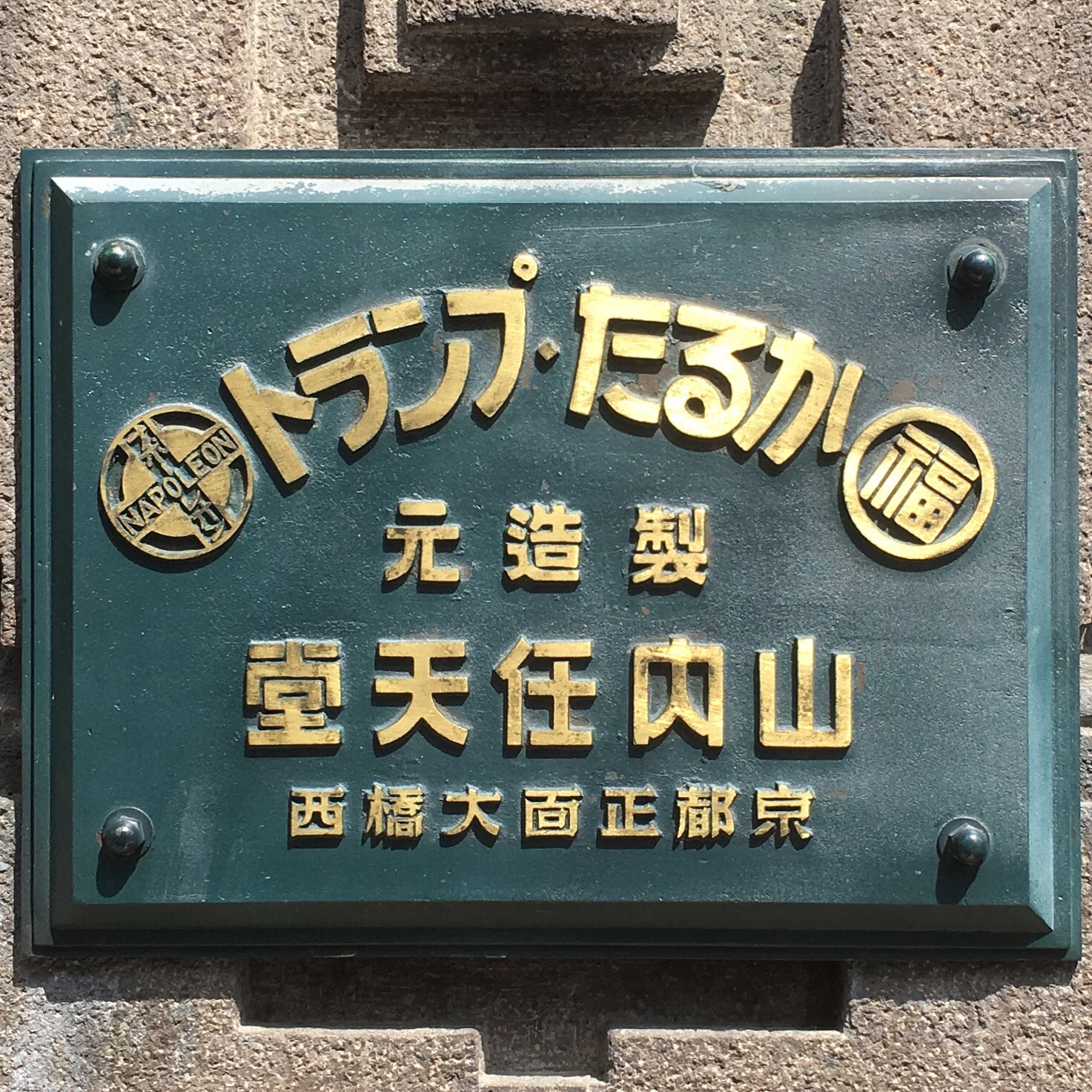
Here’s a photo of the Japanese sign, which doesn’t mean a lot to me.

  
I decided not to push my luck and try to get inside the building, like this guy did.

It has become a bit of a pilgrimage for fans of Nintendo and video games in general, offering a little more history than the more modern HQ across town. It’s a really understated trip and if you didn’t know what you were looking for you’d probably not even realise it was there. Nobody in the area seems to care about it and unlike everywhere else in Japan it’s really easy to get a good photograph next to it.

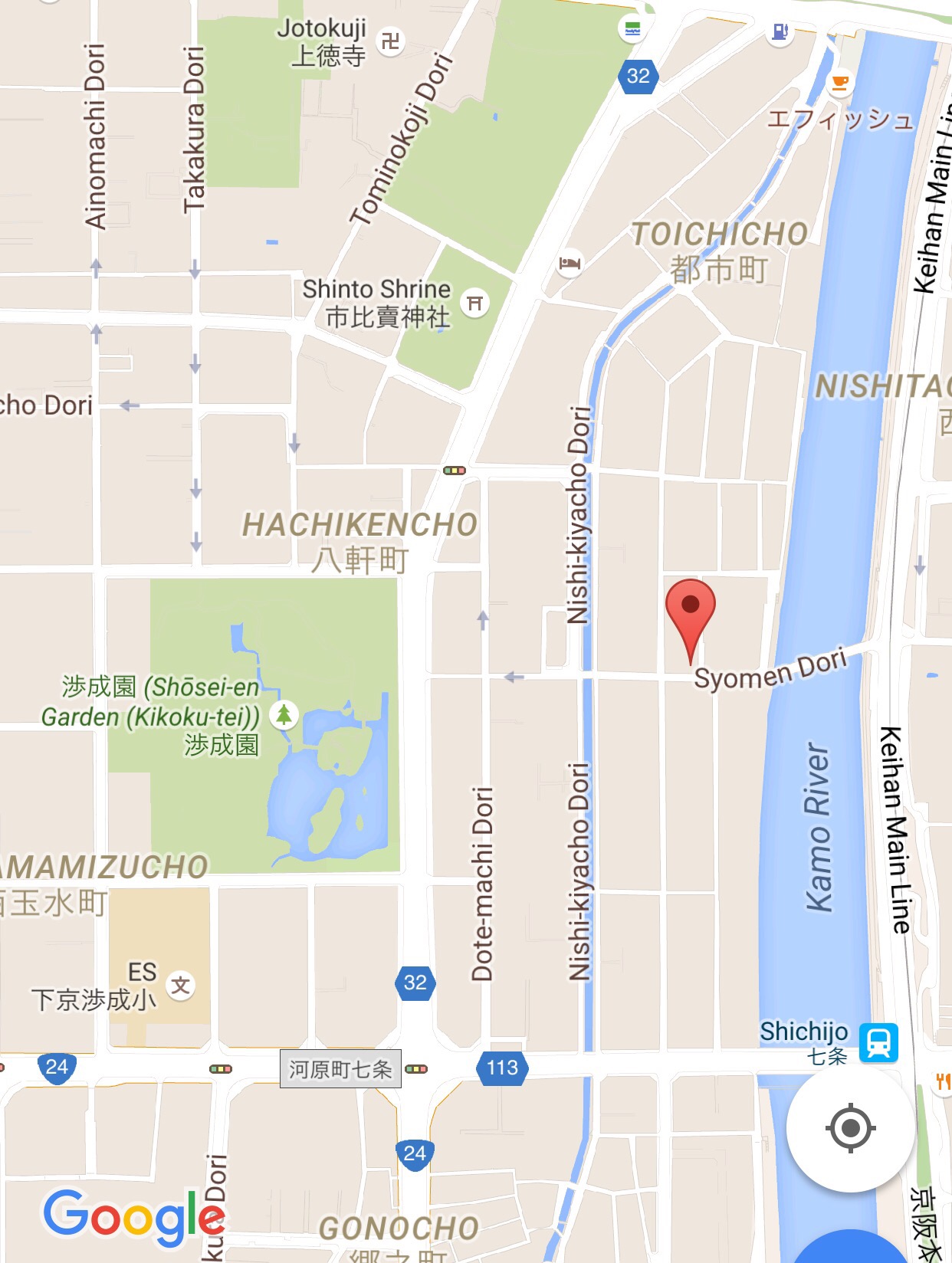
The full address is: Kagiyacho (Shomendori), Shimogyo Ward, Kyoto, Kyoto Prefecture 600-8126, Japan. This is very walkable from Kyōto Station. It is located here (courtesy of Google Maps):

 
It meant a lot to me to visit it, having enjoyed Nintendo games throughout my life and still getting joy from them today. Whilst I perhaps can’t dedicate days at a time to their latest releases as I did with Super Mario Bros. 3 in 1991, the fond memories I have over the years will never die and made the trip worthwhile.

A must for all video games fans visiting Japan!

2016 March Grand Sumo Tournament, Osaka

If you’re thinking of visiting Japan any time soon and you’re lucky enough to land your trip at a time when the sumo tournament is on, you need to make sure you go. To absorb yourself in Japanese culture completely, you should consider all aspects and in a country where sport is so important you might as well opt for a uniquely Japanese sport rather than football or baseball.

  
How does the day work?

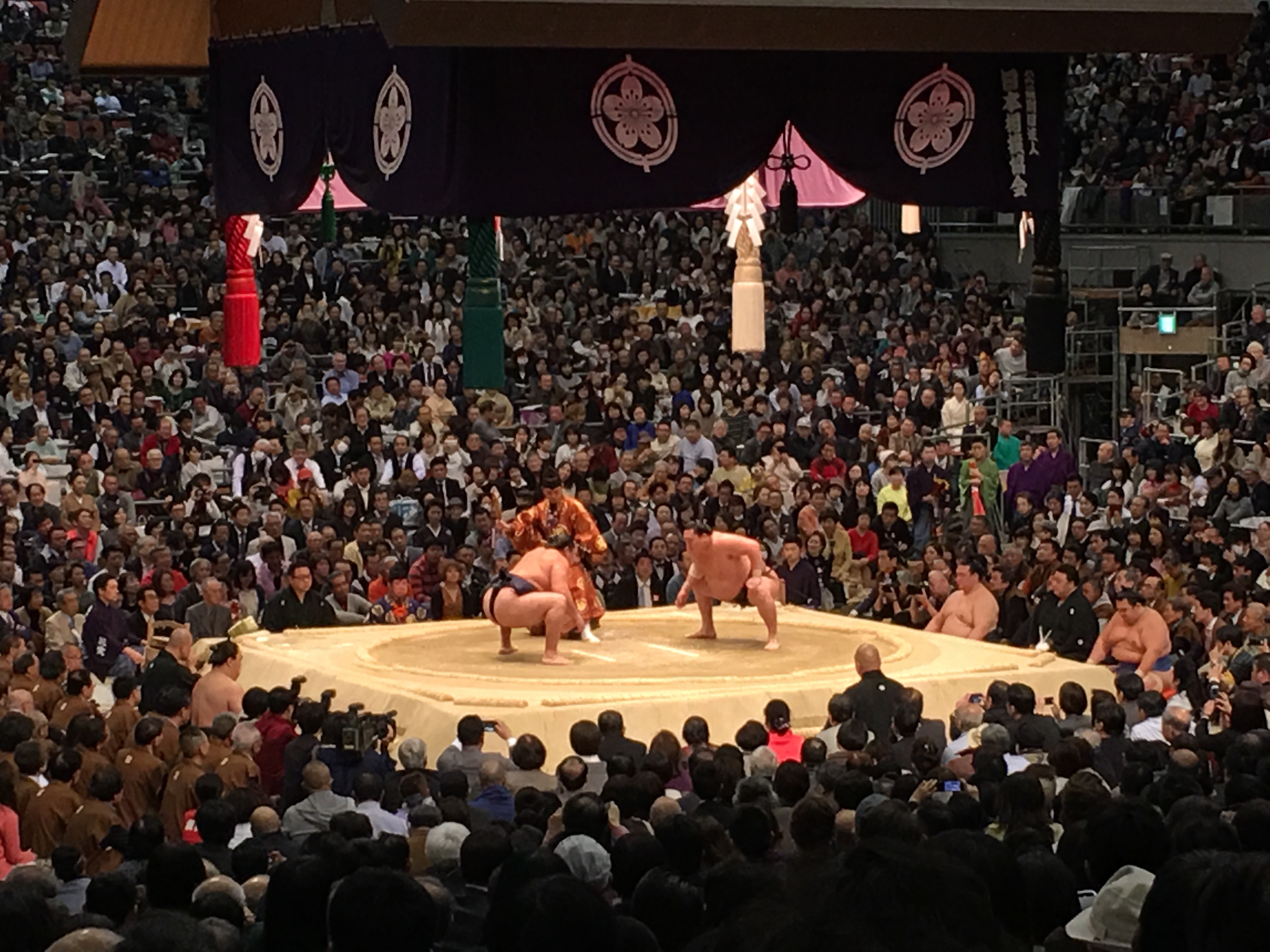
We went on the 13th day of the tournament, which is the business end of things. Basically, the format of these tournaments is that they last fifteen days and each sumo wrestler competes against a different opponent each day. They don’t have time to compete against everyone but they don’t repeat any match ups. 

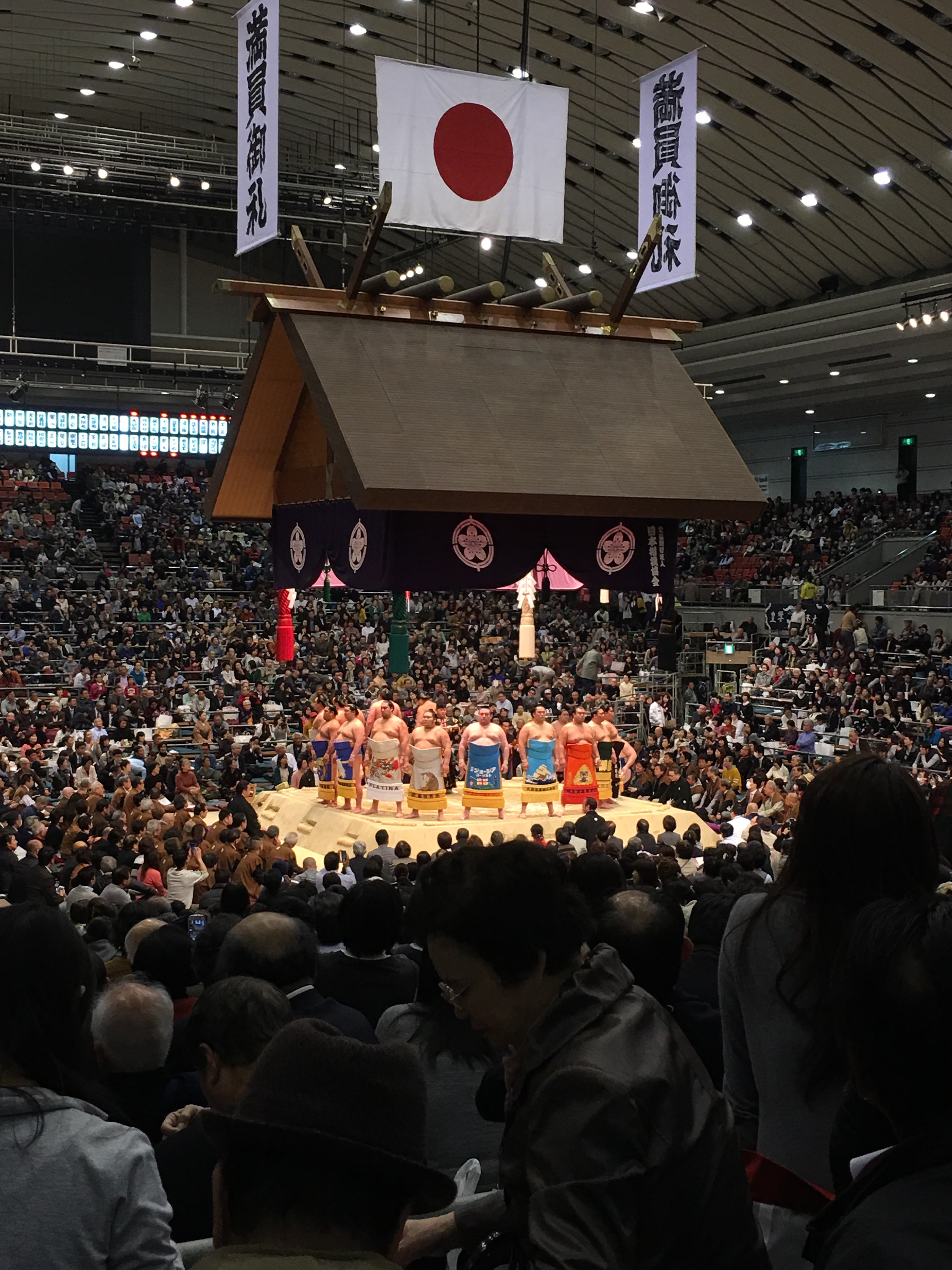
As each wrestler is ranked according to his status and record, the fights are split into sub-sections throughout the day. In a nutshell, you can get into the arena from 08:30 but the best wrestlers won’t fight until about 15:00. Since we were travelling over from Tokyo in the morning, we went to the arena at about 13:00 and didn’t feel like we missed anything, seeing the tail-end of the Makushita Division fights (3rd division), all of the Juryo Division fights (2nd division) and all of the top level Makuuchi fights.

Do I need to know anything about sumo?

The sport of sumo is very easy to figure out, and it’s made easier by the fact that the fights come thick and fast so you can pick it up on the day. 

In simplistic terms, the aim is to get your opponent out of the ring or on the floor. Only the soles of the wrestler can touch to floor at any time. 

You will be able to follow the events unfolding before your eyes with a piece of paper with all the match-ups written out and the form of the wrestlers included so you can see the favourites. The wrestlers from the east are always on the left and the wrestlers from the west are always on the right (though the east/west placement is arbitrarily handed out to the wrestlers regardless of hometown).

Sumo isn’t just about the fighting. There are a lot of rituals that each wrestler must go through and they are followed before each and every fight. The build up to each fight lasts several minutes and the fights rarely go over ten seconds.

Who are the big stars?

In over 300 years of the sport, only 69 fighters have been awarded the Yokozuna title, though this has only been recognised as the highest rank for around 100 years. They achieve this by winning two grand tournaments in a row (there are only six per year). There are currently three Yokozuna fighters: Hakuhō Shō, Harumafuji Kōhei and Kakuryū Rikisaburō. All three are from Mongolia. When these fight, you know about it as the whole stadium erupts with delight. 

This is never more evident than with Hakuhō, the most successful sumo wrestler in the history of the sport. We were lucky enough to see him fight against Kakuryū, another Yokozuna, and come out victorious.

  
When are the tournaments?

There are six tournaments throughout the year: three in Tokyo (January, May, September), one in Osaka (March), one in Aichi (July) and one in Fukuoka (November).

Food (Osaka-specific)

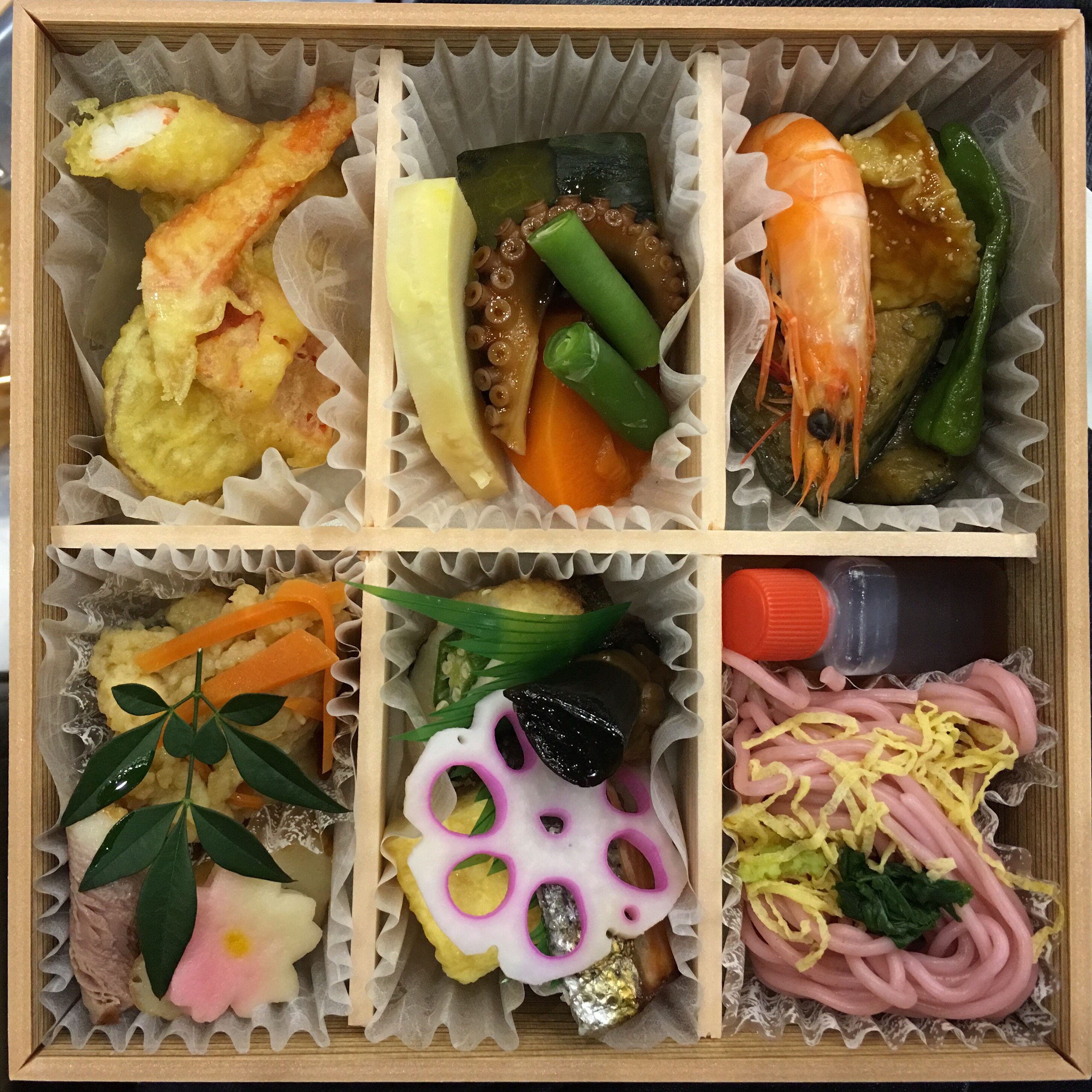
There isn’t much choice of food once you’re inside the arena. Other than ice cream sold by vendors walking around the ground, you’re pretty much limited to a bento box if you’re looking for something substantial. These cost around ¥2100 (£15), but they include a whole host of cold Japanese snacks you can eat with the chopsticks provided. 

Here’s an example of what you’d expect to find.


If that doesn’t take your fancy, then you can wait for the tournament to finish and head of the arena in any direction and find heaps of restaurants with every type of food to take your fancy. I’m not even going to attempt to list them as there are too many to choose from.

How do I buy tickets?

This is the tricky part. Sumo tickets sell out almost instantly, especially for the latter days of the tournament.

It’s impossible to buy tickets from the official website if you don’t live in Japan. There are, fortunately, some 3rd party dealers who will help you get tickets. 

The one I used was www.buysumotickets.com, and the tickets were paid for with a small commission fee and were in hand within a few days. Really helpful service and sorted me out with alternative tickets when the ones I wanted weren’t available. 

Highly recommended!!

Conclusion

If you get chance to go to Japan and happen to be there when one of these tournaments is on, then it’s a must-do experience. Now is a great time to experience sumo, with three Yokozuna all competing at the same time. I went for one day and I’m now converted, wondering how I’ll see the next tournament from the UK!

Osaka Nightlife for a Solo Englishman

Grace was ill tonight and unable to leave the hostel, which meant that I had a free night to explore Osaka and experience the nightlife for perhaps the only time in my life. I should add, to argue against your immediate thoughts, that I did offer to stay in and look after Grace. She insisted that I should go out and explore or, to paraphrase, I’d resent her forever. Well, they were harsh words and forever is a long time, but the night was young and I increasingly wasn’t.

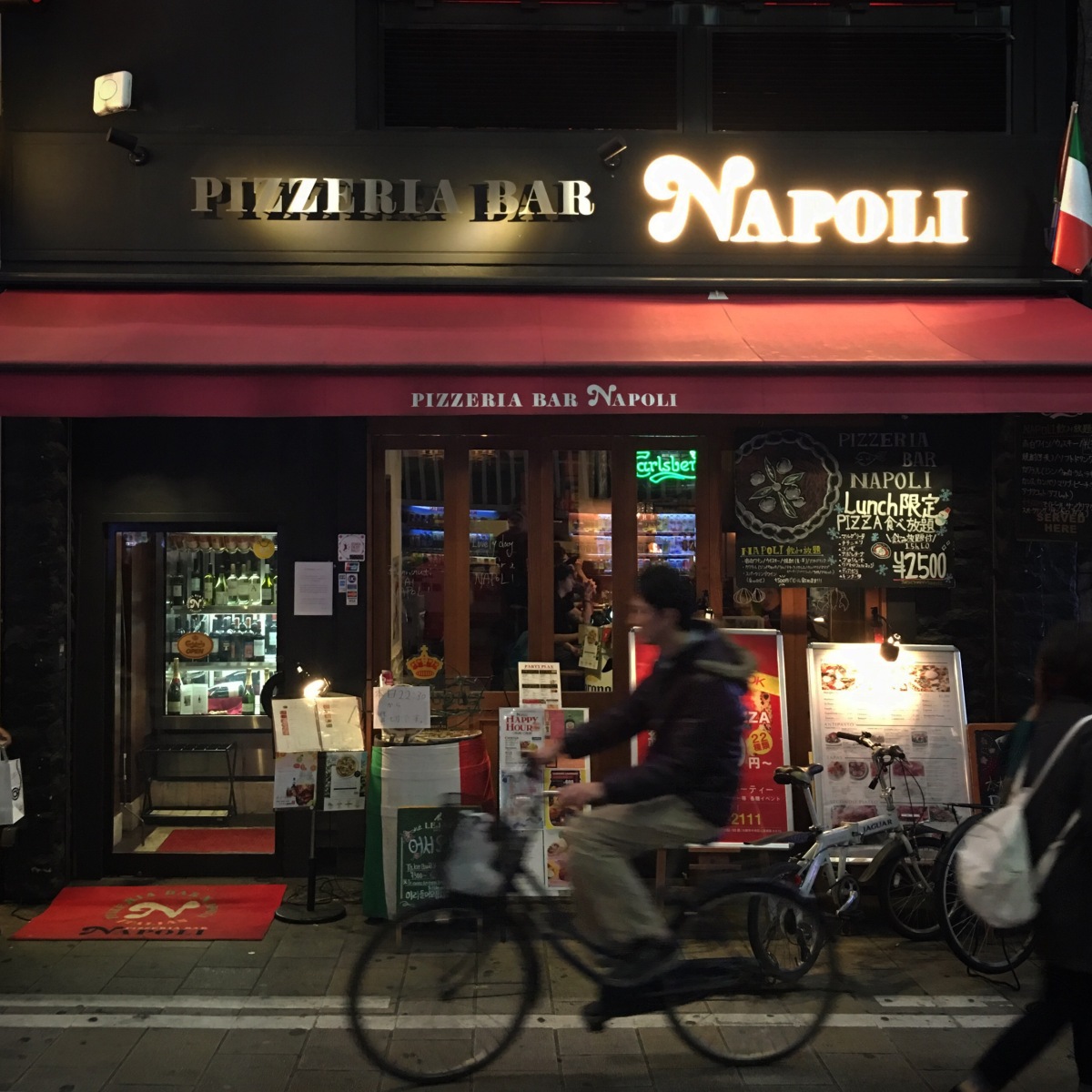
Fancying a stroll, I walked from Hostel 64 along the Amidaike-suji highway, took a left onto the American-themed Orange Street and walked towards the built up Soemon-cho area. Walking around until something took my fancy (criteria: prices were neither overly cheap nor overly expensive, queues weren’t tailing down the street, they had an English menu), I wound up in a place called Napoli’s Pizza and Caffé.

Napoli’s is an unusual place. It’s very popular with locals, though a couple of Westerners were here too. It’s primarily Italian-themed, though the bar itself is like any you’d find in the UK, with all the Japanese staff speaking at least a little English. Its prime beer is Carlsberg and their logo is proudly displayed all over the decor. It has a variety of spirits and beers on sale, none of which seemed unfamiliar to me. Most of the meat on the pizzas it serves is fish and that aligns it to the local Osakans (I’m sure that’s what they call themselves). The music played was Japanese-language soul music, but they helpfully counteracted that with several screens playing a subtitled Harry Potter film. It was the one where all the wizard schools from around the world battled for the tri-wizard cup and everyone realised Emma Watson was going to be really attractive but wasn’t yet because she was under-aged and to think that would have been wrong.

When I stepped back outside, I realised how easy it is to get completely lost in this area of Osaka. Bright lights everywhere, every intersection leads to another 100-200m of night spots. The nightlife potential here is second to very few cities in the world. Restaurants, bars, nightclubs, seedy underground spots. The world, or at least one of the best places to be on a Saturday night in the world, was my oyster. There was only one place to go: Murphy’s Irish Pub.

  
Yes, by this point in our trip (about a week in) I was now missing some home comforts. Knowing what I’d get here was a good move. It was absolutely heaving with a mixture of Japanese, Americans, Australians and a handful of Irish people. There was a live band on stage called Ichigo Ichie. They played a mixture of Japanese, English and American music, including but not limited to Radiohead, Chad Kroeger, Oasis and Pearl Jam. The Japanese songs, of which I was familiar with none, were by far the most popular. It was perfect for the mood in the pub, with people happy to chat to those beside them regardless of whether they knew them or not. I met a couple from Hawaii and had a nice chat about American soccer goalkeepers and t-shirts.


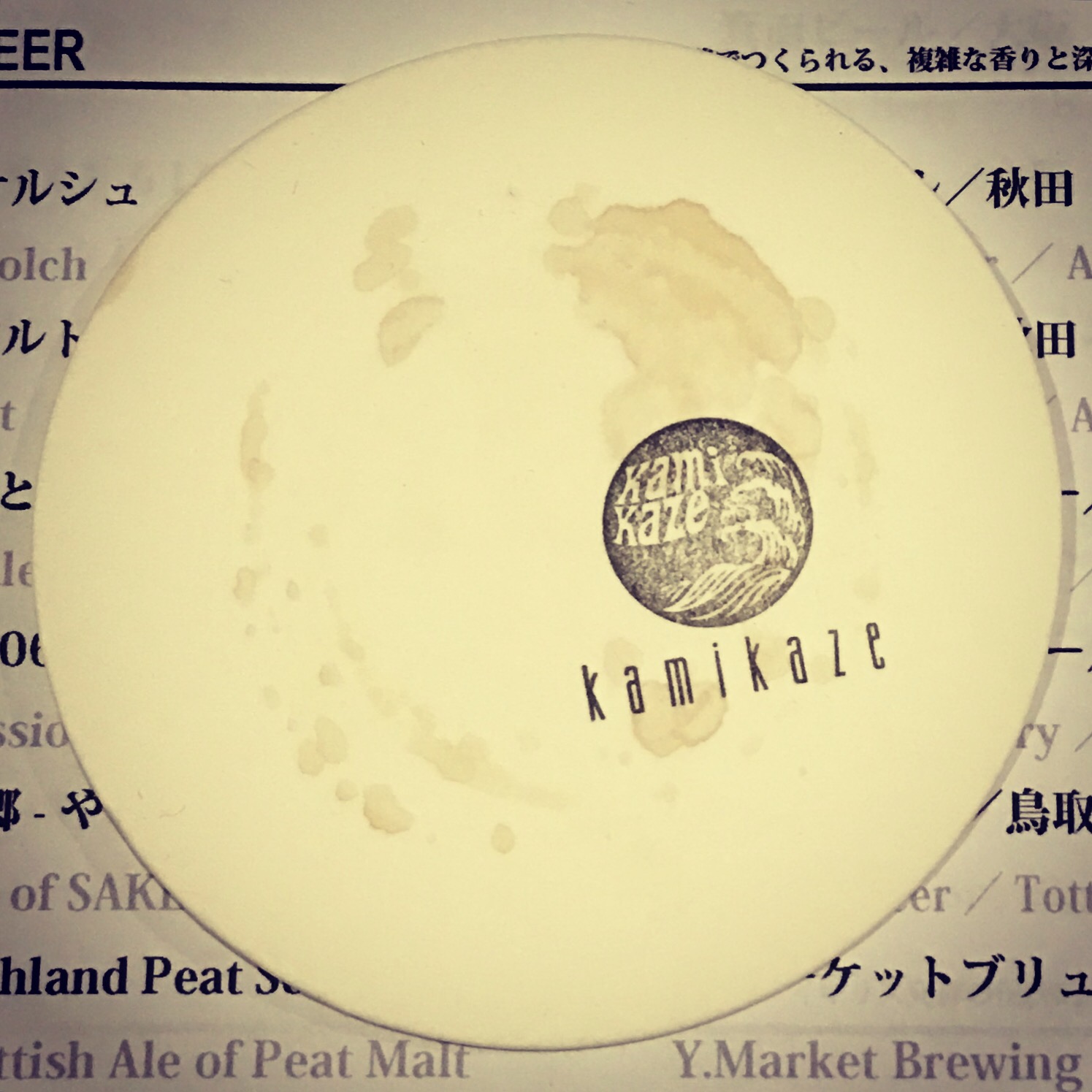
I then retraced my steps back to a place I’d seen on my way into the centre called Kamikaze, a craft beer pub. It has been operating for three years from its location on the Naniwa-suji highway. It’s a fantastic place with the menu offering such drinks as Highland Peat Scottish Ale, Izutsu Grape Field Beer and Real Blood Lager, the latter of which I went for. At 1620¥ (just under £10) it felt a little pricey for what I got, but a bar blasting out The Libertines whilst Meet Joe Black occupied the big screen was by-no-means a loss.

And so back to Hostel 64 to check on Grace. It turns out her headache came and went and she probably could have enjoyed the night as much as I did. Osaka is a wonderful city with a lot to offer. As a lonely traveller walking around on my own through the Osakan night I felt 100% safe and the opportunities it offered to me were endless.

Visit to Studio Ghibli Museum in Mitaka, Tokyo, 23th March 2016

Today we visited the Studio Ghibli Museum, located within Mitaka Inokashira Park in Tokyo.

It was an excellent day and one of the highlights of the trip so far. It’s quite easy to find tickets and locate, with the right advice.

How do I buy tickets?

For residents of the U.K., buying tickets might seem tricky but is fairly straightforward. There’s only one place to buy them from, a company called The Japan Specialist.

To order them, you do need to be vigilant on the release dates and not forget to logon as soon as possible on the sale date.

The general rule is that tickets go on sale on the 1st of the month for dates three months in advance. So, if you want to buy tickets for any date in September 2016, you need to login on 1st June 2016. At any one time tickets are available for four consecutive months, though they are usually completely sold out about six weeks in advance.

The tickets will be sent out to your home address immediately and you will need to make sure you remember to take your tickets on the day as no re-issues are available.

How much is it?

£12 per person.

How do I get there?

The best way to get to Mitaka is by train. There are no parking facilities there.

The best train to get is the JR Chuo Line, which is covered by your Japan Rail Pass (if you have one) and is relatively cheap without one at less than £2 each way.

Then, once you get there, take the south exit from the station and walk about 1.5km. It’s a nice stroll and is well sign-posted so is difficult to miss.

What makes it so special?

The Ghibli Museum was designed and curated by legendary animator Hayao Miyazaki and his magic is felt throughout. There’s a replica of the Catbus for children to play in, a wonderful rooftop terrace garden to relax in, a permanent exhibition of the science of animation and a yearly temporary exhibition.

Another draw for Ghibli is fans is the opportunity to watch an exclusive Ghibli-produced short film in The Saturn Theatre. There are nine on offer and they are shown at random. You only get to see one film per ticket, making it difficult to see every single film unless you visit at least nine times.

The film we saw on our day is Yadosagashi (Looking For A Home), which I reviewed here.


Permanent Exhibition

The permanent exhibitions at the museum are absolutely stunning and well worth the trip out for fans of Studio Ghibli. The ground floor features several contraptions that provide an insight into the science and technology behind animation.

The most impressive item in the exhibition was a three-dimensional zoetrope called ‘Bouncing Totoro’, which is essentially a large rotating circular platform with around 200 small models that when viewed gives the impression of a short animated scene of characters from My Neighbour Totoro skipping and a running Catbus. Truly inspiring.

On the first floor there is a replica of an artists’ studio featuring 100s of sketches by Hayao Miyazaki and takes you through a journey from initial concepts to final production.  

Special Exhibition – The Haunted Tower: Perfect Popular Culture

The current exhibition is called The Haunted Tower and has been curated by Hayao Miyazaki.

It is a small exhibition based on Rampo Edogawa’s 1937 novel ‘The Haunted Tower’, a book that Hayao Miyazaki used as inspiration for his directorial debut ‘The Castle of Cagliostro’. It is laid out like a comic strip with the panels hand drawn by Miyazaki himself. There’s also a central labyrinth for children to get lost in.

One of the best features was a large diorama based on ‘The Castle of Cagliostro’, which was an impressive piece of art.

Does not speaking English hinder the experience?

Without a doubt there are things at the museum that can only be enjoyed fully with a complete grasp of the Japanese language. The temporary exhibition was almost impossible to understand, but it didn’t mean that it wasn’t highly enjoyable. 

If you are going to the Ghibli Museum then chances are you are a huge fan of the Studio Ghibli films, or at least animation in general. Like the films they have produced, the experience is very visual. Any fan would love this experience no matter what language they speak.

Short film review – やどさがし / Looking For A Home (Hayao Miyazaki, 2006)

Looking For A Home is a short film that was written, produced and directed by Hayao Miyazaki for Studio Ghibli. It is shown exclusively at the Studio Ghibli Museum in Mitaka, Tokyo, Japan [1].

The film follows a girl as she sets out from her home on a trip away from her busy city dwelling to the calmer countryside, through forests and into a tiny cottage she discovers along the way. At each point she thanks the aspects of nature she experiences (a fish, the trees, etc.) with an apple. Everything is represented by a unique human-voiced sound which are also written out on the screen to humorous effect.

This is a perfect short film to experience at the Studio Ghibli Museum for non-Japanese speakers, because the whole thing is very visual and the audio can be enjoyed without any understanding of Japanese. It is a sweet film aimed at children but, as with most of the output from Studio Ghibli, it is equally enjoyable for adults too.

[1] The Ghibli Museum has a small cinema called The Saturn Theatre. In this, they show one of nine short films for visitors on each day. Each visitor gets one ticket to the short film selected for that day so there is no chance of seeing more than one per visit. It is complete pot luck what you’ll see on your visit.