
With the Oscars taking place later tonight, I look at the films that have been overlooked by the Academy.
Monsters University

Okay, it wasn’t the best picture Pixar has come up with over the years. It wasn’t even the best Monsters film they’ve produced. That said, they did find space for The Croods in the nomination pool, which was fine but could you really say it was better than MU? If Pixar had released The Croods, there would have been mass derision. Miyazaki’s The Wind Rises is a hot tip to take the prize this year, but I can’t comment until it gets a UK release.
Rush
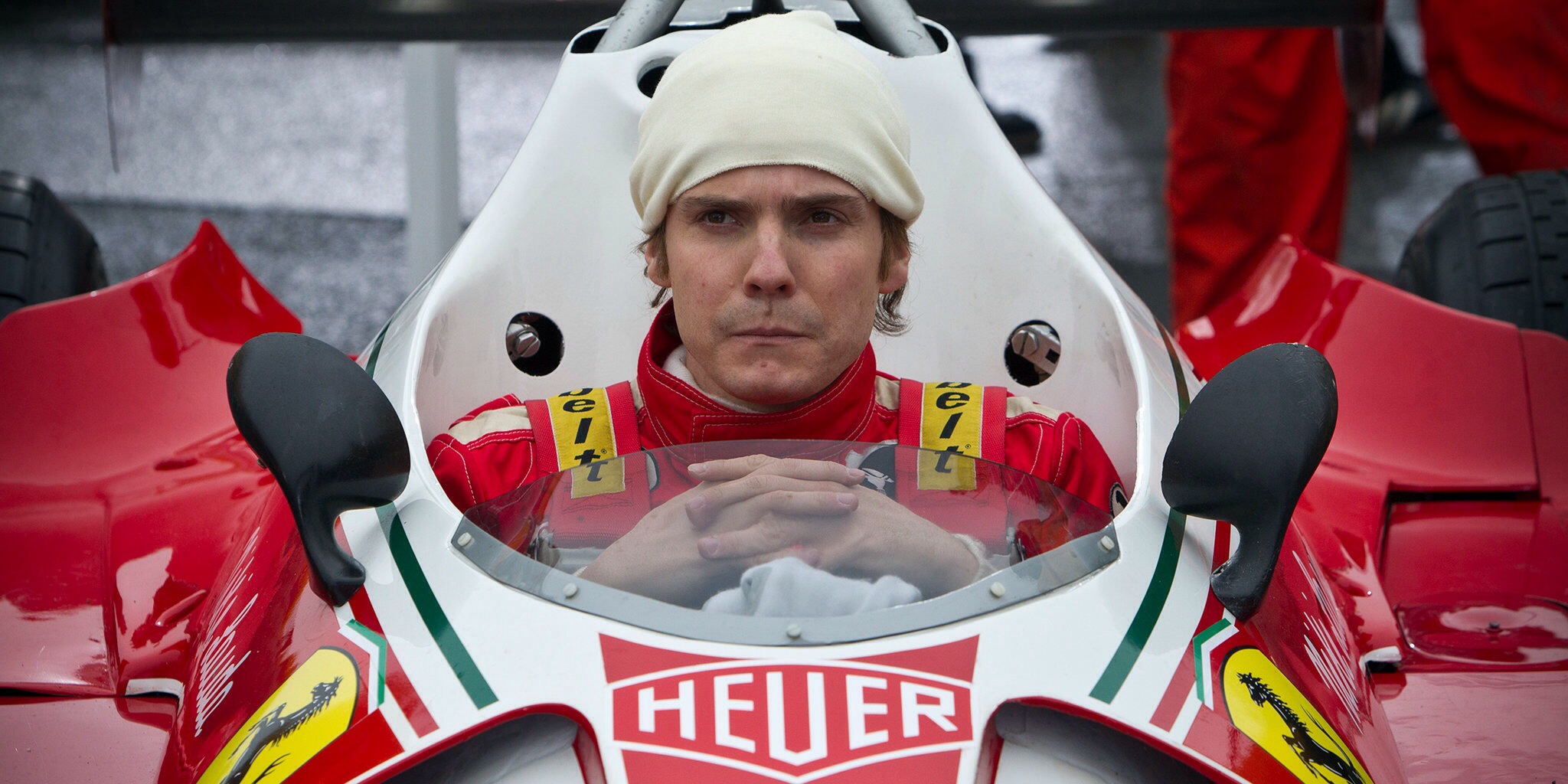
I feel like this film has suffered because it wasn’t released in the typical awards season. It didn’t play by the book. It came out back in September 2013 and performed well at the box office without an Academy recommendation. Bruhl and Hemsley were both outstanding, not just as eerily accurate take-offs but as flawless acting performances in their own right. The recreation of the classic races was spot on from Howard and the story was as exhilarating as the action. In my eyes, it could have easily come in as the 10th film on the best film list. To not even get an appreciative nod for best makeup (Bruhl’s scarring was critical and spot on) or visual effects (though admittedly this was a strong category this year) is surprising.
Inside Llewyn Davis
It’s the Coen brothers latest release and they usually get nominated, right? Not this year. Whilst it’s a strong year for nominations in the Best Picture category, it should have received a nod for best song. In fact, whole soundtrack could have been considered. It received one for best sound mixing, which is a bit of a throwaway category overall. At least it was appreciated on some level.
The Hunger Games: Catching Fire

Okay, I don’t agree that this film should have been nominated for best film or best acting or anything else. However, the song “Atlas” by Coldplay is easily one of the best original songs in what was admittedly a poor year for soundtracks. It’s a shame they had a song on the list that was later disqualified, especially one as awful as “Alone, Yet Not Alone” by Bruce Broughton and Dennis Spiegel. There was also space for the bland “Ordinary Love” by U2. Neither of these should have made it and they would have made room for “Atlas” and, well, anything from Inside Llewyn Davis or Her.
Saving Mr Banks
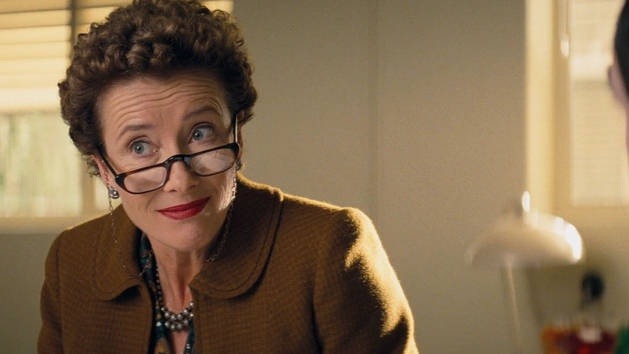
One of the biggest and most talked about shocks was the lack of a nomination for Emma Thompson in Saving Mr Banks. It’s frustrating to see Meryl Streep nominated for the 18th time for a role that she will never win the top prize for when Thompson could have been a front runner for.
Nymph()maniac

I would have loved it if the Academy could have found it in themselves to nominate Uma Thurman’s fantastic supporting performance in Lars Von Trier’s latest film. It blew me away and really stood out in what was otherwise a pretty bland film. That said, it may not have qualified this year so we may have to wait another year before we see if this – and indeed Christian Slater’s excellent performance – was overlooked.
Elsewhere
Tom Hanks missed out twice for Saving Mr Banks and Captain Phillips, the latter being the biggest shock as it is probably his best performance for over a decade. Whoever thought the cinematography in 12 Years A Slave wasn’t worth noting must have been on drugs. Nothing for Robert Redford’s performance in All Is Lost was also a big surprise, though I’m not convinced Redford lost any sleep over it. The Butler was a massive omission but maybe a little too much like a typical Oscar nominee.


